

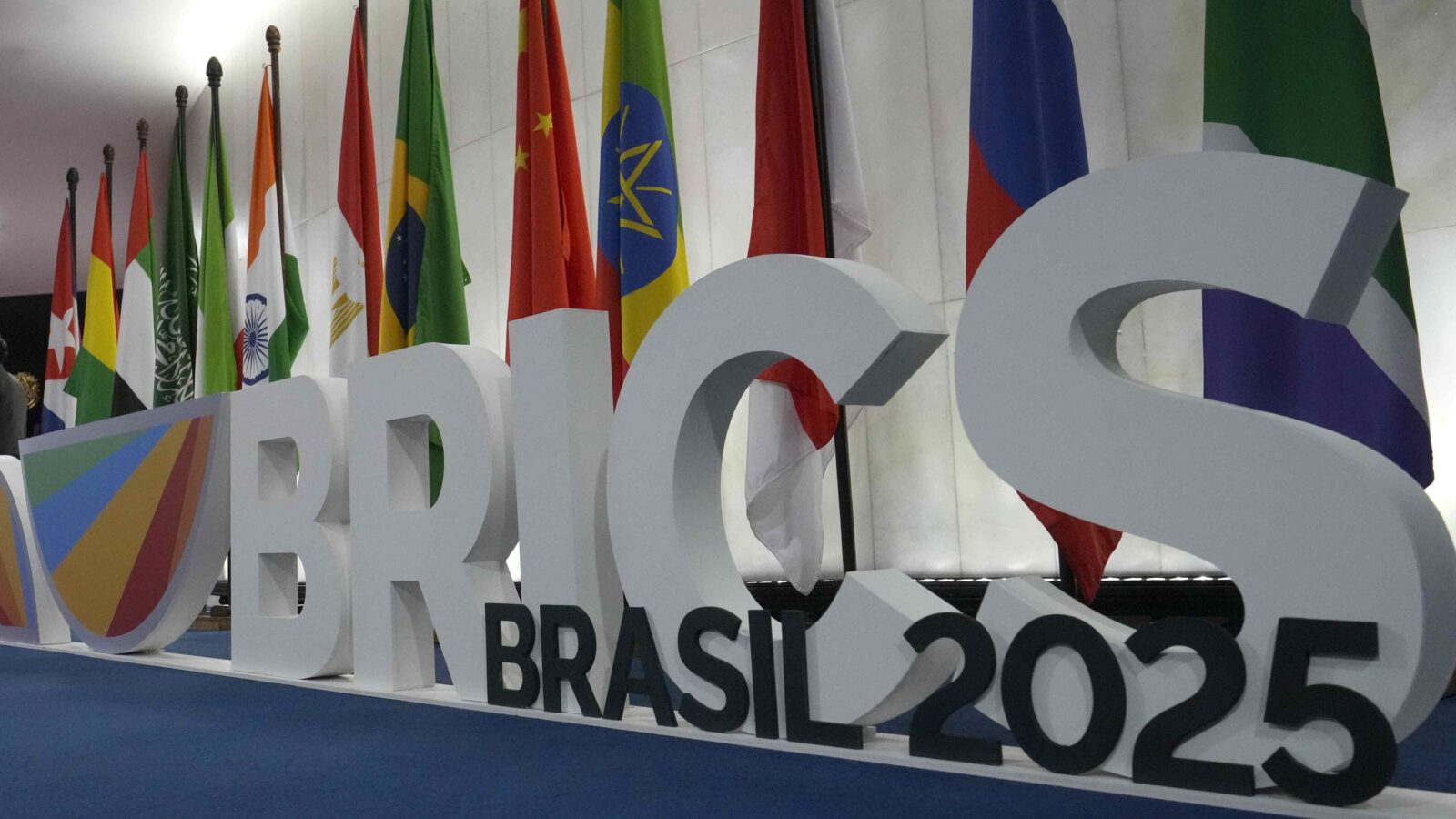
The rise of BRICS, with China and India at its helm, appears to signal a new era of peace and prosperity. The Western nations, including Europe, which gave birth to the United States of America, have mismanaged the world. From the birth and death of Jesus Christ to the rise of Christianity some 2 000 years ago, to the present day curtain, Western power, unknowingly through greed and capitalism, has been working against the universal progress of humanity.
The Dark Ages were the most horrible years
Humanity has had to endure a period known as the Dark Ages, which the Book of Daniel describes as prophecies of 1 260 years, associated with the ‘time, times and half a time’ (3.5 years) mentioned in Daniel 7:25 and 12:7. This is, of course, taken from the prophetic interpretation say for God one day is equal to one year or the ‘day-for-a-year’ principle. This dark period would only end with the decline of papal power and the advent of the Industrial Age, during which freedom of knowledge and expression was restored.
Without getting into a deep interpretation of the book of Daniel, I wish to emphasise the point that Western powers, starting from Europe, through religious domination, to slavery, colonisation, which led to exploitation and misery for the world, the Western countries have been in leadership.
Yes, some may argue that industrialisation has been rapid during the leadership of the Western nations of Europe and America in the last 100 years, but so has pollution, exploitation and the general increase in poverty and the unsustainable use of the world’s resources.
The United States and its Proxy wars with Russia
Since 1945, the United States has maintained its superpower status largely through military superiority.
From Vietnam to Iraq, Afghanistan to Syria, the US has been deeply involved in countless military interventions, often in pursuit of geopolitical interests rather than humanitarian goals.
The Cold War with the Soviet Union led to decades of global instability. These so-called proxy wars were often fought in the developing world, with devastating consequences for local populations.
The US has arguably contributed to the militarisation of international relations and has often prioritised short-term strategic dominance over long-term peace.
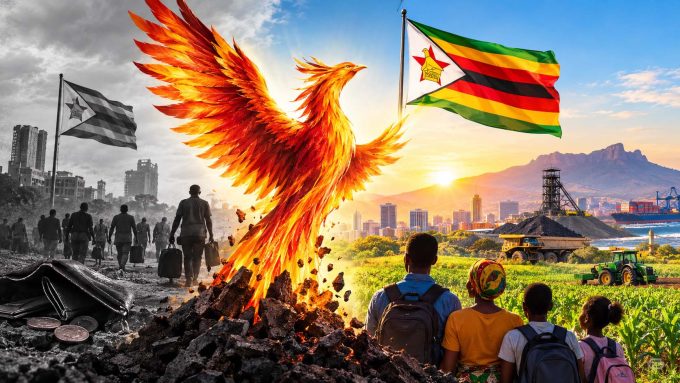
The ever-looming threat and actual sanctions against any country that has dared to challenge the status quo have been used effectively not only by the US but also the Western countries. Examples are Zimbabwe and Libya, where once-thriving countries have been destroyed simply because their leaders, Robert Mugabe and Muammar Gaddafi, dared to challenge the Western powers.
BRICS offering new hope for the world
BRICS positions itself as a counterbalance to the Western-led global order. It advocates for multipolarity, sovereign development and mutual respect among nations.
China and India, the group’s economic powerhouses, have made significant progress in lifting millions out of poverty. China’s achievement, in particular, is remarkable—over 800 million people have been lifted out of poverty in just a few decades.
Unlike the US, China and India do not lead through military intervention but through infrastructure investment, trade and strategic partnerships.
China’s Belt and Road Initiative (BRI) has invested billions into developing countries, building railways, ports, roads and energy infrastructure, things the West often promised but failed to deliver.
The world is poised to be a better place with the emergence of BRICS as the hold on Western powers reduces. The main powers within BRICS, mainly China and India, don’t seem to have the same appetite for war as the US and its allies.
Development, including roads, bridges, ports and railways, has been funded by China in Africa in the last 30 years.
Infrastructural development, which has not been provided by the US in many years, has been provided through the neoliberal IMF, World Bank and other institutions allied with the West. All have accumulated debt, which has underdeveloped the third world.
Eswatini’s strategic position: Between two giants
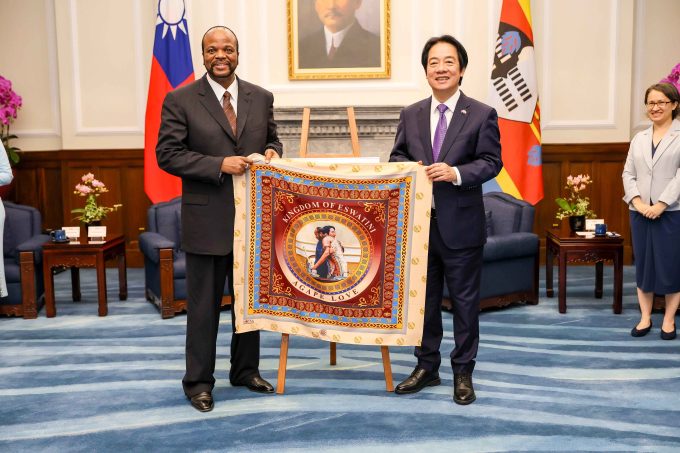
Eswatini sits at a crucial crossroads, geographically and diplomatically. Surrounded by South Africa and close to Mozambique, both of which are gravitating toward BRICS and especially China, Eswatini remains the last African ally of Taiwan. This unique position places the kingdom in a delicate but potentially advantageous situation.
Taiwan’s investment in Eswatini is notable. The oil reserves project at Phuzumoya, electrification covering over 87 per cent of the country and a planned multibillion-Emalangeni industrial park reflect a tangible commitment.
The announcement of some 13 Taiwanese investors who plan to invest billions of Emalangeni is very encouraging. These are the types of long-term developmental investments Eswatini needs. Taiwan, though small, has shown itself to be a reliable partner with a strong relationship dating back many years.
However, as BRICS’ influence continues to expand and as China solidifies its role as the global economic engine, Eswatini must prepare for a changing tide.
Aligning too rigidly with the West could isolate the country from emerging economic opportunities. Yet, immediate disengagement from Taiwan could result in the loss of significant ongoing investment.
What Eswatini needs is not a binary choice, but a nuanced, balanced foreign policy—one that maximises current alliances while carefully opening up to BRICS nations and especially to China.
Indeed, the relationship between Eswatini and Taiwan dates back more than 40 years and it is also true that Eswatini has maintained its neutral stand and continues good relations with mainland China. Many emaSwati continue to buy Chinese products and even travel to China.
Taiwanese/US Relations with Eswatini are paying off
It would appear that Eswatini will follow in the footsteps of Singapore, South Korea and Malaysia, who found themselves at a geopolitically strategic location and were able to choose the correct sides in going with the United States of America and its interests.
Only time will tell if Eswatini has enough time to accumulate as many investments and infrastructure development before this bubble bursts.
The 10 per cent tariffs have been confirmed, making Eswatini the best investment destination in the whole of Africa. Given the fact that Eswatini is a signatory to all the regional African Markets and the European Union, the retention of AGOA is just the cherry on top. Eswatini has just three short years of the Trump administration to capitalise on this advantage. The BRICS tide is coming and coming fast.
Comment: septembereswatini@gmail.com
















Leave a comment