

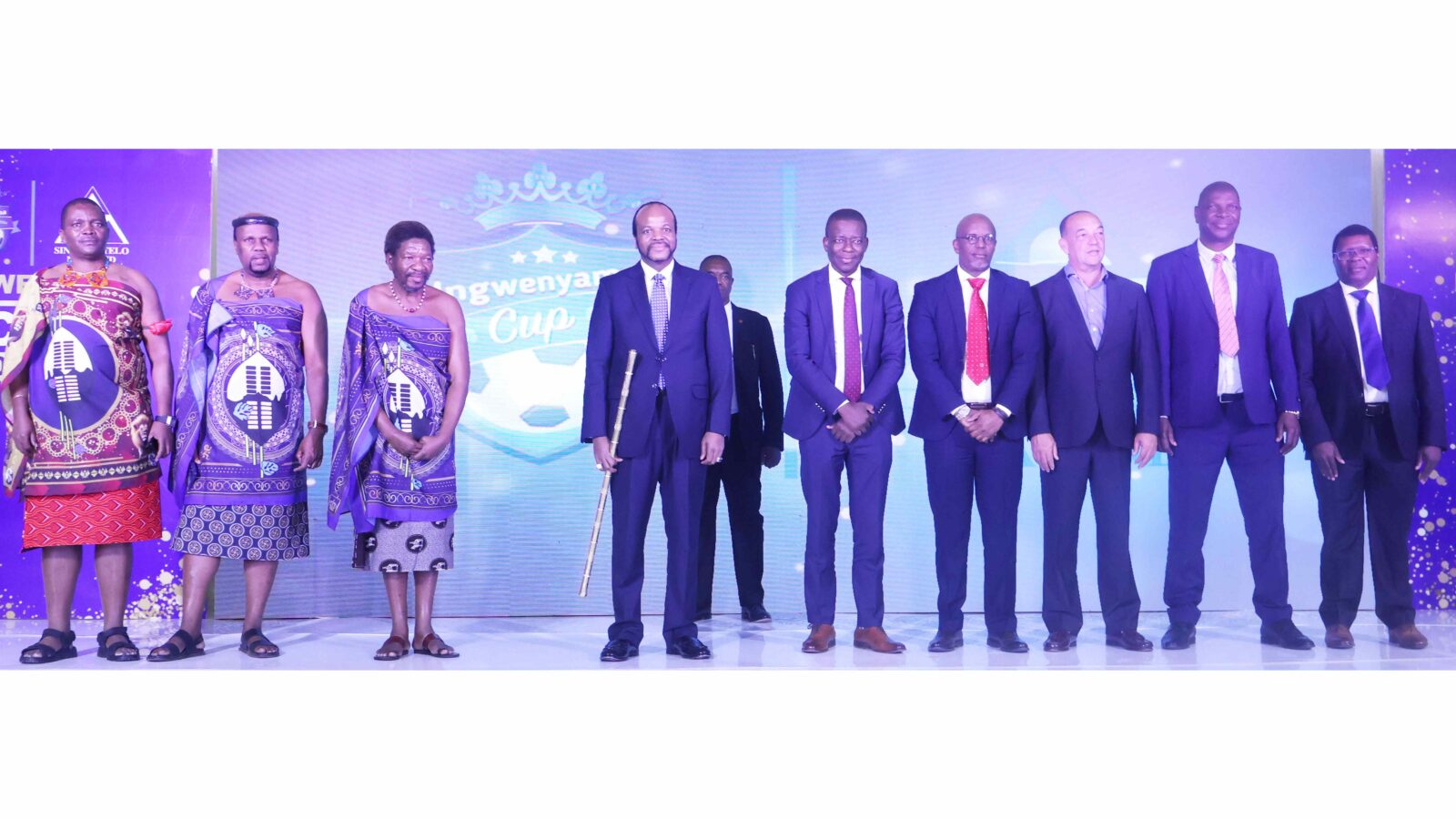
His Majesty King Mswati III’s recent address at the Ingwenyama Cup Awards Gala Dinner was not merely a ceremonial speech; it was a clarion call.
It was a powerful, clear demand for accountability and a challenge to the very custodians of Eswatini’s sporting codes. When the Head of State speaks with such pointed concern about the perennial underperformance of our national teams, it is a moment that demands more than just polite applause—it requires immediate, decisive action. The King’s message was a stark and necessary reality check: We are a nation blessed with abundant raw talent and a decent foundation of infrastructure, yet our sporting results on the regional, continental and global stages remain consistently underwhelming. This is a paradox we can no longer afford to ignore.
The King’s support of the Ingwenyama Cup is particularly pertinent. This tournament, a triumph of traditional sport and community engagement, is a testament to the passion and talent that exists within our borders. It is a melting pot where raw, untapped potential bubbles to the surface. And yet, this talent, like water, seems to evaporate before it can truly irrigate the fields of our national teams. The question, therefore, is not whether we have the players. We do. The question is what happens to them once they leave the village pitch and enter the supposedly professional structures of our federations.
This is where the custodians of our sporting codes, and especially football, must face the music. The King has challenged them to arrest the unwanted situation and this arrest will not happen with piecemeal changes. It requires a fundamental overhaul of how we govern, develop and market our sports. The blame for our current state does not lie with the athletes, who often play with immense heart and patriotism for meagre reward. The blame rests squarely on the shoulders of those in leadership positions who have, for too long, overseen systems characterised by a lack of long-term vision, poor administrative practices and a failure to professionalise at every level. The King’s words are a direct indictment of the status quo and a final warning that a business-as-usual approach is no longer acceptable.
The path to heeding this royal call must be swift and structured. The authorities must first and foremost accept that our limited resources are not a justification for underperformance; they are a motivator for greater ingenuity and efficiency.
The era of amateur administration must end. Sports federations need to be reformed into professional, transparent organisations run by qualified individuals with expertise in sports management, finance and marketing. There should be a clear, five-year strategic plan for every major sport, with measurable key performance indicators (KPIs) and a clear succession plan for talent development. This plan must encompass everything from grassroots youth programmes to the final national team preparations.
Furthermore, a significant part of this reform must be a renewed focus on grassroots development. The King’s challenge can only be met by building a strong pyramid from the ground up. This means establishing well-funded and well-coached youth academies, integrating competitive sports into the national curriculum and creating a robust talent identification network that scouts every corner of the country. We must invest in our coaches, providing them with modern training and certification. A coach is not just a person who shouts instructions; they are a developer of human potential and our current coaching pool needs a drastic upgrade to meet international standards.
Another critical pillar of the King’s challenge, and one that is often overlooked, is the private sector. The King’s statement that funds can be mobilised from businesses is not just a suggestion; it is a clear directive to forge new partnerships. Eswatini may be a country of limited state resources, but it is a nation with a vibrant and growing private sector. However, for companies to invest, they need to see a return on investment. This is where the reformed federations come in. They must become more professional and commercially viable.
They must offer attractive sponsorship packages, demonstrate impeccable financial transparency and show a clear, compelling vision for the future. A well-managed national league that generates excitement and media coverage is far more appealing to a corporate sponsor than a federation mired in internal politics. The King’s call is an opportunity to create a virtuous cycle: Improved governance attracts private funds, which in turn leads to better performance, further increasing the sport’s commercial appeal. This is the blueprint for sustainable success.
Beyond the immediate goal of winning medals and trophies, the King’s call offers an opportunity to harness the full potential of sport in other sectors, most notably tourism and the wider economy. Sport and tourism are inextricably linked. Successful national teams and well-organised domestic leagues create a powerful national brand. When our teams perform well, they become ambassadors for the country, generating positive media coverage and piquing the interest of international audiences. We can capitalise on this by bidding to host regional tournaments, which would bring in thousands of visitors and inject significant revenue into our hospitality and retail sectors. Our existing infrastructure, acknowledged by the King, can be leveraged to become a training destination for international teams, especially from colder climates, who seek world-class facilities in a serene and friendly environment. A reputation as a sporting nation could turn Eswatini into a preferred destination for both sports and leisure.
The economic benefits of a thriving sports ecosystem are multifaceted. The King’s challenge is an economic imperative as much as it is a sporting one. A successful sports industry creates jobs—not just for athletes and coaches, but for journalists, marketers, event managers, physiotherapists and merchandise manufacturers.
It stimulates the growth of small businesses around stadiums on match days. It fosters a sense of national pride and unity that is invaluable, but also a powerful driver of consumer confidence and economic activity. In a country like ours, where economic diversification is a key national goal, sport represents a largely untapped industry with immense potential.
In conclusion, His Majesty King Mswati III has laid down the gauntlet. He has provided a mandate for change and has rightly placed the responsibility on the authorities and custodians of our sports. This is a pivotal moment. We have a choice: To continue with the same tired excuses and see our talent go to waste, or to rise to the occasion and build a new, professional and successful sporting future. The King’s call is a once-in-a-generation opportunity to transform not just our sports, but our national identity and economy. Let us not squander it. The time for talking is over; the time for action is now.
















Leave a comment