

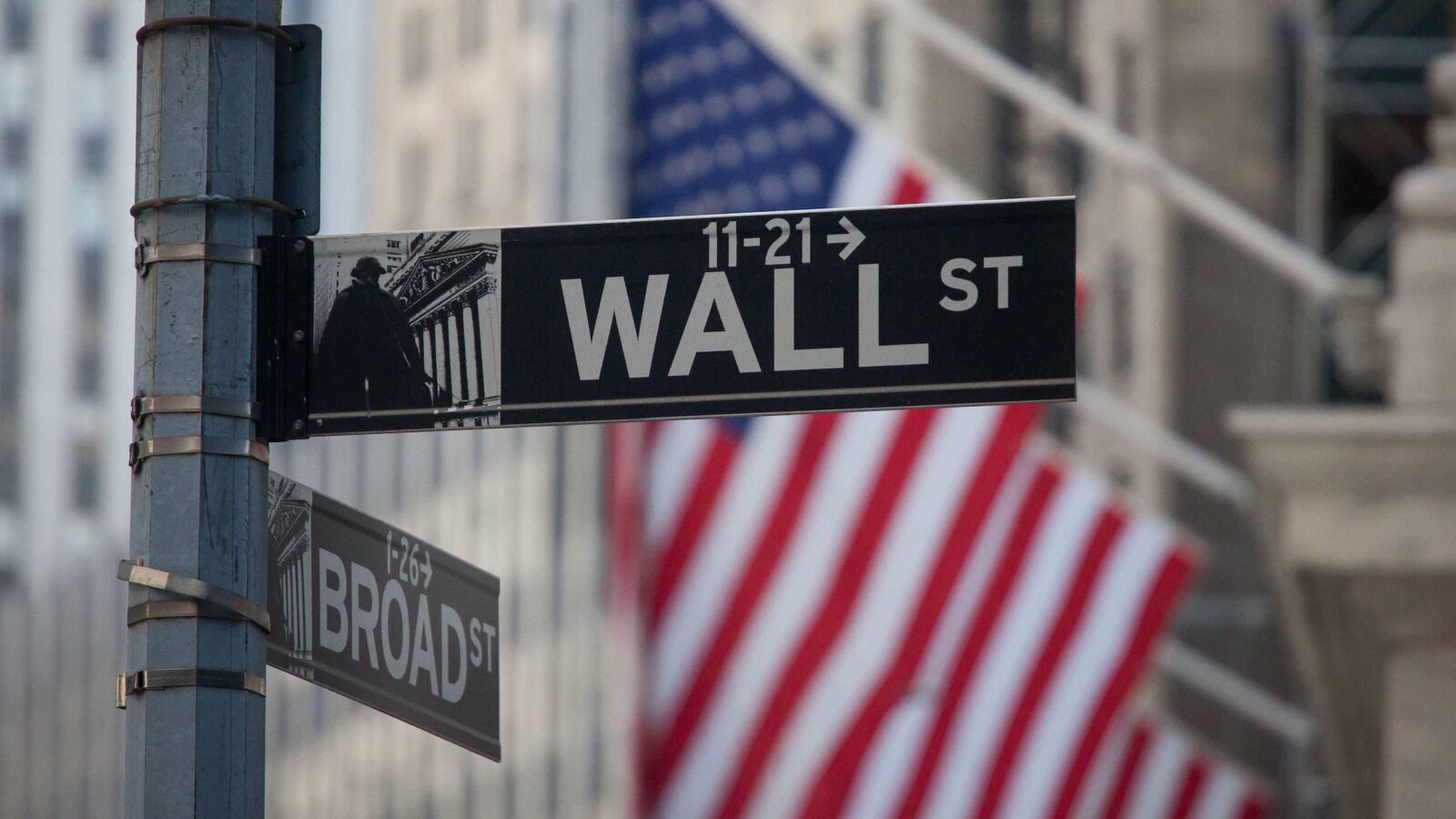
Despite a flurry of aggressive tariff announcements from major economies—most notably the United States—global financial markets have remained remarkably composed. From Wall Street to the Nikkei, the FTSE to the Sensex, investors appear to be shrugging off what once would have triggered widespread panic. So, what’s behind this resilience? The JSE has delivered a standout performance in 2025, with the All Share Index (ALSI) recently breaking through the 100 000-point mark for the first time.
The JSE Top 40 has outpaced the S&P 500 in Rand terms, posting a robust 20.8 per cent year-to-date return, buoyed by strong showings from heavyweight stocks like Naspers, Prosus and BHP. This surge reflects investor confidence in South Africa’s resource-rich and tech-driven sectors, even amid global tariff tensions. The rally also underscores the appeal of emerging markets as investors seek value outside traditional Western indices.
Tariff fatigue and familiarity
Investors have seen this playbook before. Since 2018, trade tensions have flared and cooled repeatedly. The current wave of tariffs, while steep, lacks the element of surprise. As one strategist told CNBC: “Until there’s a clear escalation or a surprise, investors are taking a wait-and-see approach”. Furthermore, not all announced tariffs are immediate.
The US has issued warnings and deadlines, but many countries are still negotiating exemptions or reduced rates. Japan and the UK, for example, have secured lower tariff rates through bilateral deals. This has helped calm investor nerves.
Diversified supply chains
Global companies have spent years diversifying supply chains to mitigate tariff risks. From shifting manufacturing out of China, to sourcing raw materials from multiple regions, businesses are better equipped to absorb shocks. This structural shift has reduced the vulnerability of equity markets to trade disruptions.
Sector rotation and defensive plays
Markets are not ignoring tariffs—they’re adapting. In India, for example, sectors like IT, pharma and auto are expected to outperform ,due to their relative insulation from US tariff exposure. Meanwhile, export-heavy sectors like textiles and processed foods are under pressure, prompting strategic reallocation by investors.
Central Bank cushioning
Global central banks remain accommodative. With inflation cooling in many regions and interest rate hikes slowing, monetary policy is acting as a buffer. The Bank of England, for instance, warned that higher tariffs could trigger business failures; but also signaled readiness to support markets if needed.
The tariff threat and tariff issue remains a moving element and remains one of the important variable contributing to market volatility. We, therefore, need to remain vigilant as a country and ensure that we minimise the adverse effects of the tariffs. We need to assess what the new tariffs mean for the real sector. Are we to take the sanguine market response from Wall Street to mean that there are no effects on main street? Obviously main street or the real economy will feel the impact.
Eswatini has emerged as a relative winner in the latest round of US tariff adjustments, having been exempted from the new 15–30 per cent reciprocal tariff package announced in August 2025. This exemption offers a competitive edge over regional peers such as South Africa, Lesotho and Tunisia, whose exports now face steep levies. Key Eswatini sectors, particularly sugar, citrus and textiles stand to benefit from uninterrupted access to US markets, potentially boosting foreign exchange earnings and attracting investment. The exemption is widely seen as a diplomatic reward for Eswatini’s cooperation with US policy interests, including its acceptance of immigrants and alignment on regional security matters. In May 2025, the country secured E37 billion in investment pledges, signalling growing confidence in its export-oriented industries.
However, the country is not immune to the ripple effects of regional tariff shocks. South Africa, its largest trading partner and the anchor of the Southern African Customs Union (SACU), remains subject to a 30 per cent US tariff on key exports. This has weakened the Rand dragging down the Lilangeni and raised import costs in Eswatini, fueling inflation. The country’s electricity tariffs also rose 14.1per cent in April 2025, due to higher costs from Eskom, further straining households and businesses. Monetary tightening may follow, as the Central Bank of Eswatini aligns with South Africa’s interest rate trajectory to contain inflation. While Eswatini’s direct exposure to US tariffs is limited, its economic fortunes remain closely tied to regional dynamics and global trade flows.
To maintain access to US markets and stay competitive, Swati companies must pivot strategically. Leveraging Eswatini’s exemption from the latest US tariff hikes, firms can emphasise compliance with preferential trade agreements under the Southern African Development Community and Common Market for Eastern and Southern Africa , which offer reduced barriers. Businesses should also invest in lean manufacturing and operational efficiency to offset rising input costs, particularly those linked to electricity and imported materials. Diversifying export destinations and adopting flexible supply chains will help mitigate risks from regional shocks, especially those stemming from South Africa’s tariff exposure. Moreover, Swati exporters can explore direct-to-consumer models using private couriers to bypass new postal penalties, ensuring smoother delivery and pricing transparency for US buyers.
Conclusion
Global markets remain calm, but the kingdom must stay agile leveraging exemptions, adapting strategies and navigating regional shocks to safeguard long-term economic resilience.


















Leave a comment