

Whenever the word ‘feminism’ is mentioned in Eswatini, it often stirs discomfort. For many, it sounds like a Western import – something alien, even threatening, to our culture. Women who dare call themselves feminists are accused of rejecting tradition, undermining men or imitating foreign ways. Yet, this is a dangerous myth. Feminism is not foreign. It is deeply-rooted in our own history, in the wisdom of our grandmothers and in the resilience of Swati women, who have always carried society forward.
When we peel back the layers of culture, we find countless examples of women who shaped our communities; long before the word feminism ever reached our ears. Our foremothers may not have used the term, but their daily actions embodied its principles: Demanding dignity, fairness and voice in decision-making. To dismiss feminism as ‘un-Swati’ is to erase these powerful legacies.
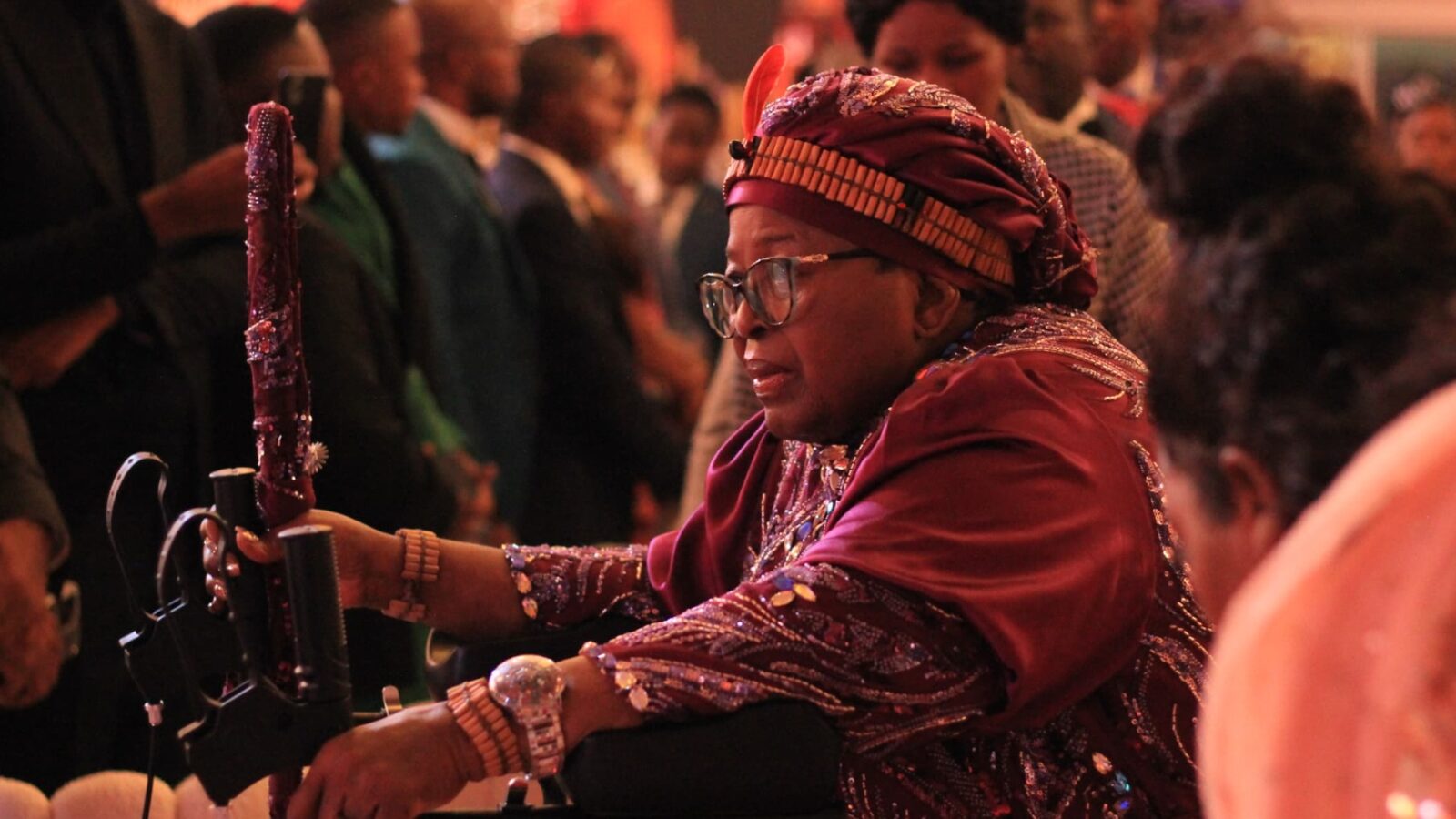
Take, for instance, the figure of the Indlovukazi – the Queen Mother. She has always held a vital political and spiritual role alongside the King. Her presence symbolises balance and dual leadership. Decisions of national importance were never the King’s alone; they carried the weight of both masculine and feminine wisdom. This is not foreign. It is part of who we are. If we truly value tradition, then why do we ignore the tradition of women’s authority?
Even within families, grandmothers, mothers and aunts have historically been the custodians of knowledge. They were midwives, healers, advisors and moral guides. In community gatherings, women’s voices carried weight because they were the ones nurturing and protecting the continuity of life. Yet today, patriarchy has distorted our collective memory. We remember women as caretakers, but not as leaders. We celebrate their sacrifices, but silence their authority. This selective remembering benefits men, not culture.
Feminism, at its heart, asks for what our traditions once recognised: Women are not secondary citizens, but equal partners. It insists that women’s humanity is non-negotiable. It reminds us that equality is not a Western agenda, but a human one and that the fight for it is alive in every culture.
What we are witnessing in Eswatini is a tug of war between tradition and patriarchy. These two are not the same. Tradition, when practiced fully, is about balance, harmony and respect. Patriarchy, on the other hand, is about control and silencing. Too often, patriarchy disguises itself as culture, leaving women trapped in abusive marriages, voiceless in politics and undervalued in the workplace. When a woman speaks up against violence or inequality, she is told she is ‘disrespecting tradition.’ However, is it really tradition to watch our daughters suffer? Or is it patriarchy hiding behind our cultural cloth?
We must reclaim the narratives of our foremothers. We must remind our daughters that the soil of Eswatini has always known strong women. Feminism is simply giving a modern name to an ancient truth. It is giving language to the unspoken resistance of women, who refused to be broken by systems designed to limit them.
For too long, we have been told that feminism is a borrowed ideology. What, then, do we call the courage of Swati women who till the land, raise children alone, lead households in the absence of men and keep communities alive? What do we call the women who challenge chiefs, demand justice or fight for their children’s education, against all odds? If this is not feminism in practice, then what is it?
Reclaiming our feminist heritage matters because stories shape power. If women continue to be told that feminism is foreign, they will hesitate to claim their voices. They will shrink back into silence, believing they are betraying their roots. The truth is the opposite: To fight for women’s dignity is to honour the roots of our culture. To insist on equality is to walk in the footsteps of our foremothers.
Eswatini does not need to import feminism. It needs to remember it. It needs to dust off the wisdom of women leaders erased by time and patriarchy. It needs to recognise that every society thrives when women thrive.
The call, then, is clear: Let us stop treating feminism as a dirty word. Let us teach our daughters that their power is not foreign, but homegrown. Let us remind our sons that respecting women is not weakness but tradition. Let us demand a culture that reflects its true values – balance, justice and dignity for all.
Feminism is not foreign. It is Eswatini.

















Leave a comment