

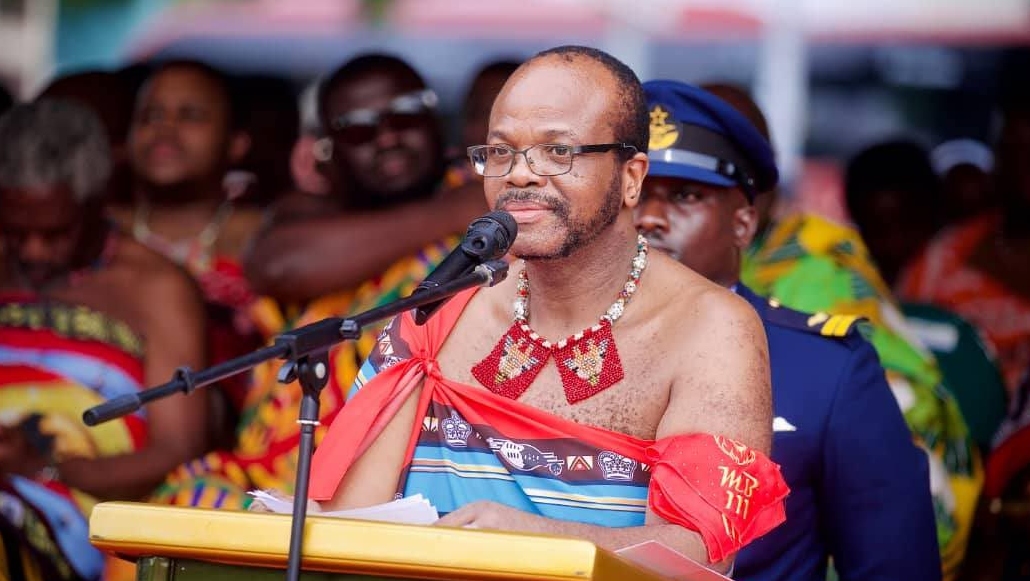
As the Kingdom of Eswatini prepares to host its most sacred national ritual, the Umhlanga Ceremony, another moment of continental importance is set to unfold.
From the September 5 – 9, 2025, traditional leaders from across Africa will gather in Mbabane for the Conference of All African Traditional Leaders. This is not a celebration of the past. It is a structured intervention to restore indigenous governance to its rightful place in Africa’s future.
Convened under the auspices of His Majesty King Mswati III, the conference brings together kings, queens, chiefs and custodians of ancestral authority to deliberate on Africa’s governance architecture, cultural sovereignty and institutional recognition. The timing is deliberate. The conference coincides with the Reed Dance, with the main ceremony and national holiday observed on Monday, September 8. This convergence of cultural continuity and continental dialogue affirms that tradition in Africa is not symbolic. It is foundational.
The Government of Eswatini, under the leadership of King Mswati III, has demonstrated vision and commitment in hosting this gathering. In a region where many traditional institutions have been sidelined, Eswatini stands as a rare example of continuity. Its monarchy remains central to national life and its cultural institutions offer a model of indigenous governance that is both resilient and relevant.
The conference is co-organised by the African Indigenous Governance Council, led by His Majesty Dr Robinson Tanyi. AIGC is a continental body representing traditional leaders, institutions and networks across Africa. It advocates for the formal integration of indigenous governance systems into Africa’s development architecture, promotes peace and unity through cultural diplomacy and facilitates structured dialogue between traditional authorities and State institutions. Supporting King Tanyi in this mission is Prince Zolani Mkiva, Secretary General of AIGC, whose coordination and diplomatic engagement have been vital to the success of this initiative.
This year’s gathering is hugely endorsed by the African Union through the African
Commission on Human and Peoples’ Rights and aligns with the AU’s 2025 theme, Justice for Africans and People of African Descent Through Reparations. It is not a ceremonial reunion. It is a working platform for policy dialogue, institutional recognition and strategic planning.
At the heart of the initiative is Commissioner Dr Litha Musyimi-Ogana, Chairperson of the AU Working Group on Indigenous Populations and Minorities. Her leadership has been instrumental in facilitating collaboration between AIGC, the Kingdom of Eswatini and the African Union. A seasoned pan-Africanist and policy strategist, Dr Musyimi-Ogana has long championed the inclusion of traditional authorities in continental governance. Her stewardship ensures that this gathering is not only dignified but deeply consequential.
Among the distinguished delegations attending is a contingent of over 10 royals from Zambia, led by King Ishima Sanken’i, Secretary General of the Forum of African Traditional Authorities. His presence underscores the growing momentum behind continental coordination among traditional leaders and the importance of formalising their role in Africa’s governance future.
Delegates will engage in structured deliberations on the role of traditional governance in Africa’s renaissance, the historical impact of slavery and colonial disruption and the establishment of a continental body for traditional leadership. These discussions will lay the groundwork for the 2026 Traditional Leaders Summit, where formal recommendations will be presented for continental endorsement.
This gathering draws inspiration from Africa’s own history of structured indigenous governance. Long before colonial borders were drawn, African societies convened in forums that upheld justice, consensus and community welfare. The Gbara of the Mali Empire, the Baraza councils of East Africa and the Lekgotla assemblies of southern Africa were not informal meetings. They were sophisticated systems of leadership, rooted in accountability and collective decision-making. The 2025 conference seeks not to replicate these models, but to restore their principles within Africa’s contemporary governance landscape.
Africa is not romanticising its past. It is restoring its foundations. The Conference of All African Traditional Leaders in Eswatini marks a deliberate shift, where ancestral authority is no longer peripheral, but central to the continent’s governance future. In a setting where tradition is lived, not remembered, and where leadership is inherited with responsibility, Africa’s custodians will speak not only for history, but for policy, for structure and for recognition. This is not a return. It is a recalibration and declaration.
Authored by His Excellency Ambassador Godfrey Madanhire, Diplomatic Envoy for the State of the African Diaspora and Chief Operations Officer of Radio54 African Panorama. Ambassador Madanhire is a recognised figure in cultural diplomacy and strategic communications.
He will be attending the upcoming event. His work spans media, education and ceremonial programming, with a focus on elevating traditional leadership, reshaping the narrative and positioning indigenous governance at the core of Africa’s institutional future.

















Leave a comment