

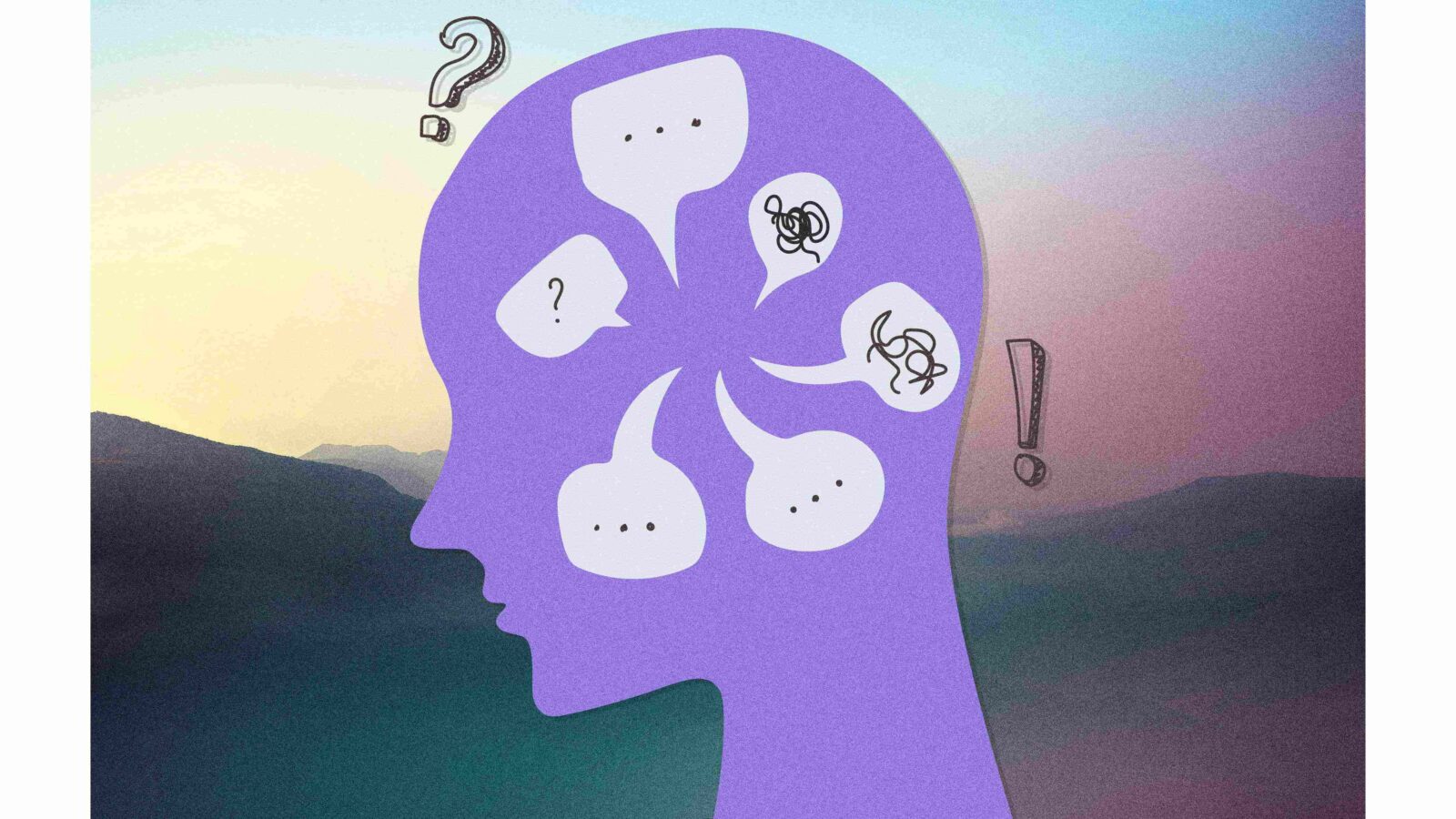
The concepts of mental health and mental health itself are a phenomen that are extremely far-reaching, both in theory, in practice as well as in real-time, real life. Everyday, we put them to use in different ways and essentially, our functionality as competent members of society quietly hinges on how we utilise our mental health resources.
These are the resources we tend to use to understand, analyse and interpret the world around us and especially, our own lives. Many times, this ‘extra gaze’ that we place on ourselves becomes a mental health expense, especially when we over-expend our psychological resources with very little replenishment.
The point I am driving at is aimed at how we interpret our individual realities. When we speak of reality in mental health, we speak of the true, ‘unfiltered’ and unmasked nature of our individual lives. As is the case with most psychological content, our realities could be in varying arenas of our lives; could be our backgrounds (academic, personal or otherwise), could be our financial status, our emotions and how we manage our relationships.
Normally, these are the parts of our lives that we tend to speak rarely of, because this is the case – many people choose to ignore the reality of their lives and for comfort’s sake, adopt a less harsh, less authentic perception of their lives.
This is often misleading and, in most cases, quite detrimental to that persons’ mental health since this demands they spend resources (both physical and psychological) that they cannot afford to keep up with.
The longer this goes on, the heavier the mental health pressure grows on the individual and their well-being. Not only that, but over time, this tends to widen the gap between that individual and the reality of life, given that they live life under a dense cloud of delusion, confusion – lacking in acceptance and understanding, as well as a lasting emptiness.
Denying the state of your reality is often the beginning of a downward mental health spiral, that culminates in a whole plethora of possible mental health disturbances. This, especially if, like most people, we creates whole ‘plastic persona’ for the purposes of enriching the gaze of yourself in denial and those around you.
However, the beauty of mental health and psychology is its malleability. In this case, as mental health advocates, we acknowledge our harsh realities as propellents and boosters and, therefore, encourage individuals to draw motivation from them to create an even better, more positive realities for ourselves.
Instead of ignoring or ‘dressing it borrowed garments’, we can clearly accept how it is and work towards creating a better tomorrow for ourselves.
Send comments to runsford0505@gmail.com



















Leave a comment