

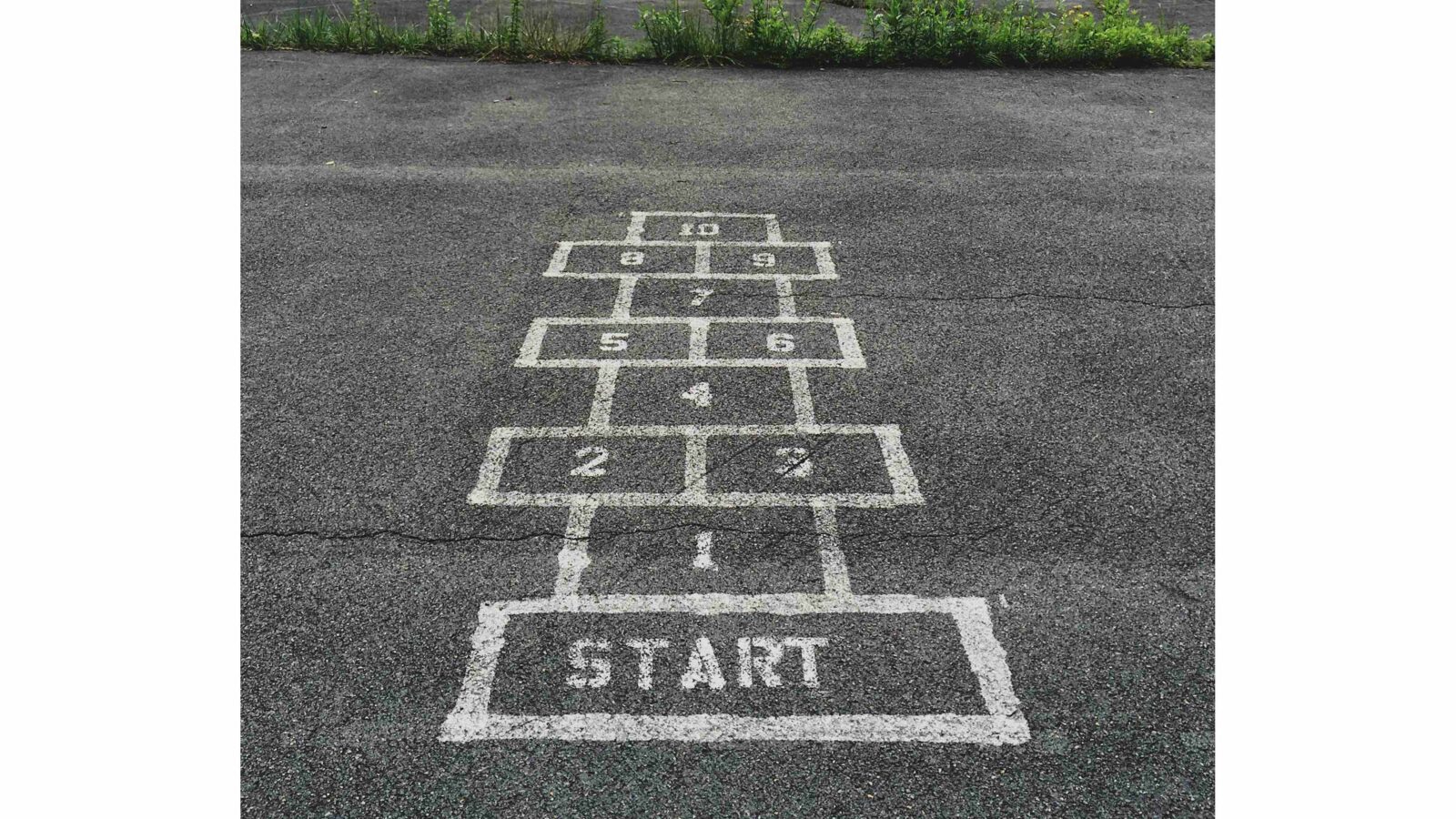
If you really want to understand how gender roles are taught, don’t start in the boardroom or in Parliament, start at the playground.
That open field, the cracked concrete, the rusting swings, inketo and skipping ropes, that was our first classroom in politics, power and patriarchy.
Think back to your own childhood games. Who decided who got the ball first? Who was ‘chosen last’ when teams were picked? Who got scolded for climbing too high or running too fast?
The playground was never just about play; it was a rehearsal for the roles society expected us to take on later. Boys were encouraged to be bold, competitive and physical. Girls were nudged towards games that were quieter, cooperative and, in some ways, preparing us for domesticity.
Skipping ropes, for example, were not just about rhythm and fun. They were a social lesson: Girls learning to take turns, to chant in unison, to fall into line.
Meanwhile, boys chased balls across dusty fields, practising teamwork, leadership and even aggression. Qualities that would later be rewarded in classrooms, careers and politics. We didn’t know it then, but we were being trained.
Of course, there were always rebels. That one girl who insisted on playing soccer with the boys, running faster, kicking harder and proving herself over and over again. Or the boy who loved to join the girls in singing games, dancing with joy and ignoring the whispers of ‘that’s not for you’.
These children were our first feminists, showing us that the lines were never as rigid as society pretended. However, too often, they paid the price. They were teased, excluded or labelled.
Today, as grown women looking back, we can see just how formative those playground lessons were. They shaped how we saw ourselves and each other. Many of us learnt to shrink early, to play small, to stay on the sidelines.
Boys learnt early that dominance and leadership were theirs for the taking. Feminism, then, is about unlearning those childhood rules and writing new ones. Rules that make space for every child to explore their potential without fear or ridicule.
The good news is that the playground can also be where we start to change the story. When we encourage girls to play soccer and boys to try skipping ropes, we aren’t just mixing games, we are mixing futures.
We are saying to our children: your body, your joy, your curiosity are not defined by gender. We are saying that leadership is not a boy’s trait and cooperation is not a girl’s burden.
In a world where mental health and inclusion matter more than ever, play is not just fun. It is practice for empathy, equality and confidence. Imagine if a generation of children grew up believing that every game was theirs to play, what kind of leaders, partners and citizens would they become?
Feminism does not always have to be heavy, angry or complicated. Sometimes, it’s as simple as teaching our daughters to take the first kick and our sons to join the skipping chant. It’s as joyful as a shared laugh on the swings, where no one is too loud, too strong, too bossy or too emotional. The playground, after all, was where patriarchy started its training camp. Perhaps, it’s also where we can begin to dismantle it.
So next time you watch children at play, ask yourself: What lessons are being rehearsed here? Are we raising another generation bound by the same rules of exclusion; or are we brave enough to let every child write their own? Somewhere between the swings and the soccer field, feminism has a chance to shine – bright, playful and unstoppable.

















Leave a comment