

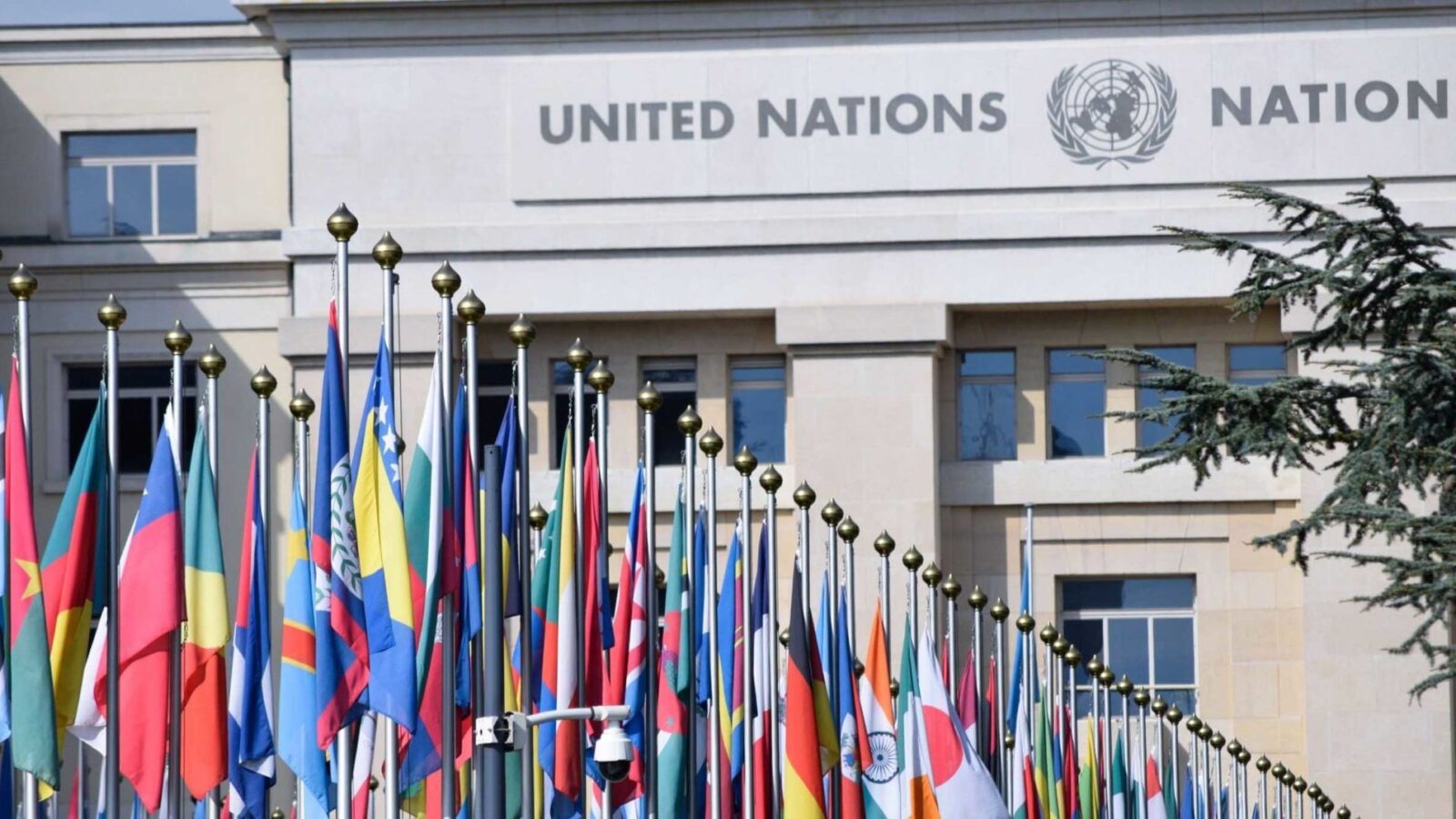
At the recent United Nations General Assembly, King Mswati III reaffirmed Eswatini’s pledge to address climate change and to advance sustainable development goals. His remarks came at a time when the country, like many other low-emitting nations, continues to confront erratic weather patterns that threaten agriculture, livelihoods and food security. This contradiction between minimal contribution to global emissions and severe exposure to climate impacts continues to prompt discussion over fairness in how the global response is designed and financed.
Eswatini contributes less than 0.01 per cent of global greenhouse gas emissions and faces prolonged droughts followed by intense storms and floods. Such weather extremes disrupt farming seasons and reduce harvests, making it harder for rural households to produce food or earn incomes. As a country where agriculture remains central to rural livelihoods and where many people depend on rain-fed farming, changing rainfall patterns have direct and immediate consequences. Crops fail, livestock die and food prices rise, leaving vulnerable communities more exposed to hunger.
This situation is not unique to Eswatini. Across Africa, countries that emit relatively little carbon continue to endure changing climate conditions. The scientific evidence shows that global warming caused mainly by industrialised economies has altered weather systems, in ways that are most damaging to regions with fewer resources to adapt. It is this imbalance that drives ongoing debate over climate justice and the allocation of international finance.
The Climate Fund, designed to support adaptation and mitigation projects in developing countries, was meant to correct this imbalance by ensuring that those who suffer most receive assistance proportionate to their needs. Access to such finance, however, remains limited. Many low-income countries, including Eswatini, face challenges in preparing technical proposals that meet complex requirements or in meeting co-financing obligations attached to these funds. This leads to the question of whether current mechanisms truly address the vulnerability of those most exposed or if they primarily reward those with stronger institutional capacity.
The fairness issue becomes even sharper when one considers food security. For Eswatini, food insecurity is not only an outcome of poor harvests, but also a trigger for wider socio-economic challenges. Households spend a large share of their income on food, so any climate-driven disruption has a multiplier effect on poverty levels. Without adequate financing for adaptation measures – such as irrigation systems, climate-resilient seed varieties, and early warning systems – communities will remain trapped in cycles of hardship.
At the UN General Assembly, calls were renewed for more predictable and accessible climate finance. For the kingdom, the need extends beyond simple adaptation. There is also the matter of investing in renewable energy to reduce reliance on imported fossil fuels, which both contributes to resilience and reduces long-term costs. However, without substantial support from international mechanisms, pursuing such investments remains difficult for small economies with competing fiscal priorities.
Another dimension to the discussion is migration and displacement. Changing weather conditions have already forced some rural families to abandon farming for urban centres in search of alternative livelihoods. This rural-urban migration puts pressure on city infrastructure and can fuel unemployment and social tensions. If not managed, such movements could become more pronounced, creating new challenges for policymakers. The costs associated with these dynamics are not captured fully in current funding models, although they show how climate change is reshaping societies in ways that extend beyond agriculture.
International negotiations have long recognised the principle of common, but differentiated responsibilities, which acknowledges that while all nations share a duty to act, historical emitters should carry greater responsibility. For Eswatini and similar countries, this principle is not just theoretical, but a matter of survival. If adaptation finance does not flow at scale and with fewer obstacles, the human consequences of climate change will intensify. Farmers will plant crops in vain, food imports will rise and dependence on external assistance will expand.
At the same time, there is room for domestic action. Strengthening water management, investing in renewable energy and promoting sustainable land use practices are steps that can build resilience. These efforts, however, require both financial and technical support. The kingdom has already expressed readiness to play its part in addressing climate change, as shown in its nationally determined contributions submitted under the Paris Agreement. What remains uncertain is whether global financing structures will align with this readiness.
The fairness debate also touches on intergenerational equity. Current inaction or inadequate support threatens to leave younger generations with fewer options for livelihoods and greater exposure to challenges they did not create. For small countries, the ability to secure climate finance is, therefore, not only about present adaptation but also about ensuring future stability.
In light of this, it becomes reasonable to argue that allocations from the Climate Fund should be weighted more heavily in favour of countries that contribute least to emissions and face disproportionate challenges. Fairness demands that those least responsible are not left to bear the heaviest costs. Until financing systems are reformed to address this imbalance, the contradictions voiced at forums such as the UN General Assembly will persist and the trust needed for global cooperation may weaken.
Eswatini’s situation shows the paradox facing many developing nations. Whether global mechanisms adapt to correct this inequity will determine not just the future of food security in Eswatini, but also the credibility of international climate governance.
Comments may be sent to bongwebagcinile@gmail.com/7927 8210















Leave a comment