

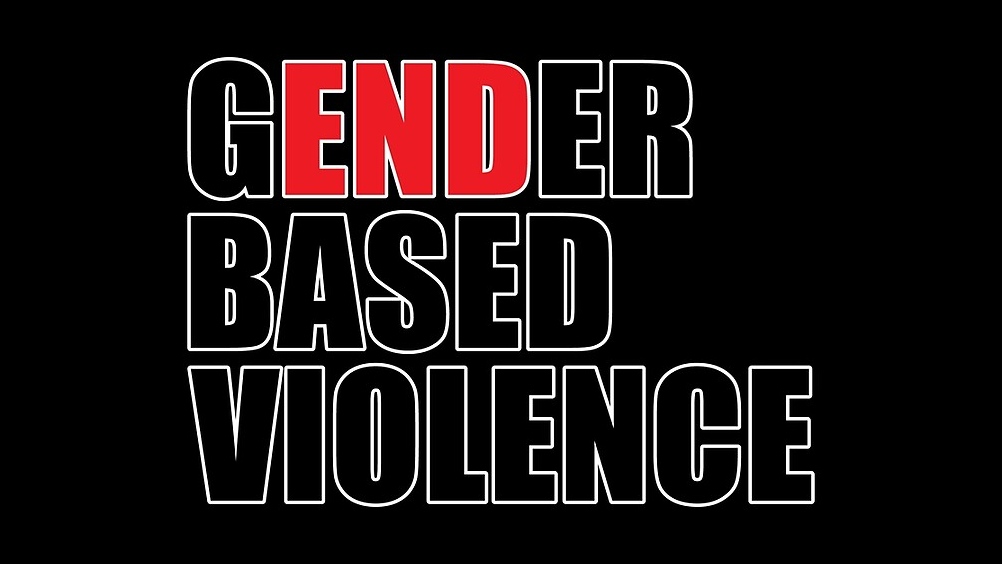
On Thursday morning at 8.15am, my eyes glanced at the picture in page 2 of the Times of Eswatini, of a young woman who is alleged to have been stabbed and killed by her lover at Mathangeni, in Matsapha. Images of young women, with a hope, future, all gone due to a moment of recklessness by a selfish individual, will never be normal to me. I cannot imagine how any human can for a single second think violence can resolve any conflict. It makes my skin crawl.
The brutality of her death is shocking, but what should shake us even more is the realisation that society seems to be numb to these killings. Reports state that the GBV related incidents have grown by 15 per cent compared to the same period last year. Statistics that should not only shock us, but also anger us to act with decisive solutions against GBV.
I have never met the deceased, Sibekiwe (as written in the article) but I can imagine that as she was working in the textile firms, she wished to have a livelihood, be able to live and one day pursue even other goals. She, just like many women out there, deserved that opportunity without it being taken so brutally.
Over the past months we have read on social media comments like: “But I think she cheated” or “there are two sides to a story.” These comments are thinly veiled, disguising support for reckless reactions which end up costing lives. We are yet to see comments strongly condemn the killers and communities revolting against perpetrators and even hosting dialogues on how to end the killings.
We are yet to see communities declare their areas GBV free zones and stating that they will not tolerate violence of any form. As I type this even in my community, basic violence in the form of gangs continues unabated, the only way one survives is by being indoors before dark. But what if indoors lies the abusers, what if the boyfriend or lover is an aggressor? The GBV issue is deep-rooted and there is no one size fits all kind of solution.
How many more women must die before we admit that this is not about ‘isolated incidents’? This is systemic. It is a pattern. And because it is a pattern, it must be confronted in communities by men, in homes, workplaces and community spaces, where the seeds of abuse are planted and watered through toxic jokes, dismissive attitudes and the silence of witnesses. We cannot be silent on these issues.
In about 30 days we will enter the annual 16 Days of Activism against Gender‑Based Violence (November 25 to December 10).
This year the focus must shift decisively from awareness raising to demanding accountability and visible action, especially from men, who must confront both overt violence and the culture of complicity that allows such tragedies to occur. It is becoming pathetic to read about people who resort to violence when dealing with their issues, as though this is the stone age. It is 2025, we are more than equipped to deal better with life’s issues than ever before in the history of humaniity. Abusers have no excuse. Abuse is inexcusable.
This recent case is distressingly familiar. A partner with a history of abuse, explicit threats, ‘even if she reports him to the police, he is not scared of them’ repeated attempts by the survivor to seek space and help and still, the violence escalated. The killing happened in her own rented flat, locked inside, a mobile phone taken, neighbours alarmed but unable to intervene in time. We have seen this pattern before, all to familiar. Today it is Sibekiwe, but tomorrow it could be a sister or one’s child. We cannot be in a society where being a woman is so fragile.
We must ask: How many more of these incidents must occur for this state of affairs to be treated as the emergency it is? Survivors are not anomalies.
For years, 16 Days of Activism has been dominated by marches, panel discussions and awareness drives led by women.
Their resilience and courage have kept the issue alive. But the time has come for men to step to the forefront. Not as saviours or heroes, but as accountable participants. As brothers, colleagues, partners and friends who refuse to allow violence to define masculinity.
We must begin to challenge the casual violence embedded in our language and relationships. When a man jokes about ‘putting a woman in her place,’ when a colleague boasts about control or physical intimidation, when we dismiss a neighbour’s screams as ‘just another domestic dispute’ we participate in the culture that kills women. Every silence is consent. Every dismissal is complicity.
The deputy prime minister (DPM) in the same article shared sentiments on whether declaring a state of emergency over GBV would actually eradicate it. The DPM’s Office and partners are already quite active with strong actions in communities to address GBV. However, the answer also depends on whether we, as the public, are ready to treat it as one, with urgency, coordination and resources.
I believe even before laws and policies, the first state of emergency must be declared in our minds. We must decide, collectively, that violence is unacceptable, not just illegal. The DPM is always trying to bring solutions to this societal challenge. She said among these solutions was ensuring that the citizenry is accessible to a variety of funds set to empower members of society to be financially independent.
I believe employers, too, cannot look away. A woman who is being abused at home cannot be fully productive at work. Workplaces must become safe spaces where survivors are supported, not judged. Communities must build networks of vigilance and compassion. Families must teach boys that power does not mean control, and that love never requires submission.
When Sibekiwe asked for space, she was asking for life. When she sought help, she was hoping someone would step in before it was too late. She did not get that chance. But we still can, by ensuring that her story forces us to act, not merely to grieve.
This year’s 16 Days of Activism must not be another calendar event. It must be a turning point. Men and witnesses must decide that silence is no longer an option, that control and violence are not expressions of strength and that every life lost to GBV diminishes our collective humanity.
We owe Sibekiwe Mkhaliphi, and countless women like her, that much. Her case is one GBV death too many.
















Leave a comment