

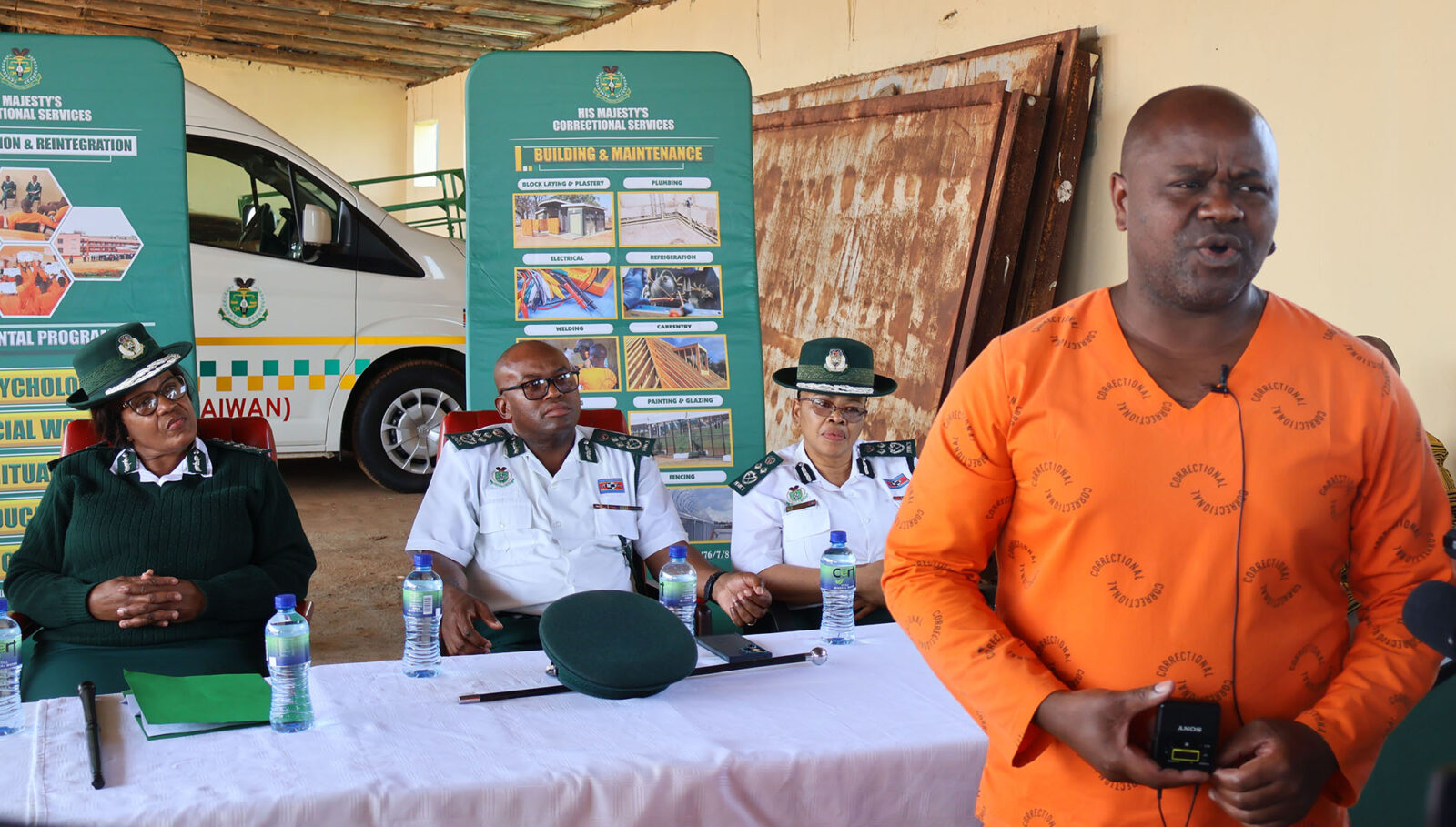
When the King of Eswatini recently granted a royal pardon to a number of inmates, many families celebrated with tears of relief. For them, it meant the return of sons, brothers, fathers and also mothers who had spent months or years behind bars. For others, however, the announcement was met with quiet unease. There were whispers of fear, especially among those whose lives had been altered by the very people now walking free. The royal pardon is, after all, an act of mercy, but mercy in a society still healing from layers of violence, inequality and trauma is never simple.
Royal pardons are not new. They are symbolic gestures of compassion, intended to give offenders a second chance at life, often granted to mark national milestones or royal events. But while mercy looks beautiful in theory, the question remains: what happens after the pardon? How do we as a society ensure that the grace extended to offenders also extends to those who were harmed by their actions?
When we speak about forgiveness at a national level, we often centre the offender’s redemption, but rarely the victim’s healing. Once the gates open and inmates step out into the world, the narrative quickly shifts from punishment to reintegration. Yet, for many survivors, especially women and children affected by domestic or sexual violence, the wounds are still open. For them, the pardon can feel like the reopening of an old chapter they worked hard to close.
I’ve listened to women speak in hushed tones about their fears when former abusers return home. Some have moved towns or changed routines just to feel safe again. Others carry the anxiety silently, knowing that society will call them bitter if they cannot find it in their hearts to forgive. But forgiveness is not a command. It’s a process, and one that cannot be legislated or decreed. If the state is to offer mercy to offenders, it must equally invest in the emotional and psychological recovery of those who suffered. Otherwise, we risk creating a one-sided story of healing.
Then there’s the question of what awaits the pardoned inmates themselves. Freedom is not the same as transformation. Without adequate reintegration programmes, many return to the same environments that shaped their downfall; unemployment, poverty, substance abuse, broken families.
Some leave prison with nothing but the clothes on their backs and the stigma that follows them everywhere. Others find their families have moved on, relationships dissolved, trust eroded. Mercy without preparation becomes another kind of punishment, disguised as a gift.
Eswatini, like many African countries, struggles with limited rehabilitation and reintegration structures. While prison ministries, churches and community groups try to help, there is no sustained national framework to ensure that ex-offenders rebuild their lives responsibly. True rehabilitation requires education, counselling, mentorship and community acceptance. Without those, many will fall back into old habits, not out of defiance, but desperation.
The royal pardon should therefore mark the beginning of a collective responsibility, not the end of a story. When an inmate is freed, the community must also be ready to receive them, not with blind celebration, but with structure and support. Traditional leaders, social workers and faith groups could collaborate to ensure that each released person undergoes a reintegration process that includes counselling, skills development and accountability measures. It’s not enough to open the gates; we must also open opportunities for changed lives.
And perhaps even more urgently, we must think of those left behind in silence. What happens to the victims after the pardon? How are their safety, dignity and healing prioritised? If a woman’s abuser is released, is there a mechanism to protect her from further harm?
Does she get counselling, or even a courtesy visit from a social worker to check if she feels safe? Too often, victims are expected to move on quietly while the nation applauds mercy.
Mercy and justice are not enemies; they are two wings of the same bird. But when one is overemphasised, the other falters. As a nation, we must hold both truths: that every person deserves a second chance and that every victim deserves to feel whole again. Compassion must never mean forgetting, and forgiveness must never erase accountability.
The royal pardon is a reminder that we are a people capable of grace. But grace must be guided by wisdom. If mercy is to have meaning, it must heal more than it harms. It must free not only those who were behind bars, but also those still imprisoned by fear and memory. After the pardon, what happens next depends on us. Whether this act of mercy becomes a story of restoration or one of repetition will be shaped not by the King’s decree, but by the nation’s conscience.















Leave a comment