

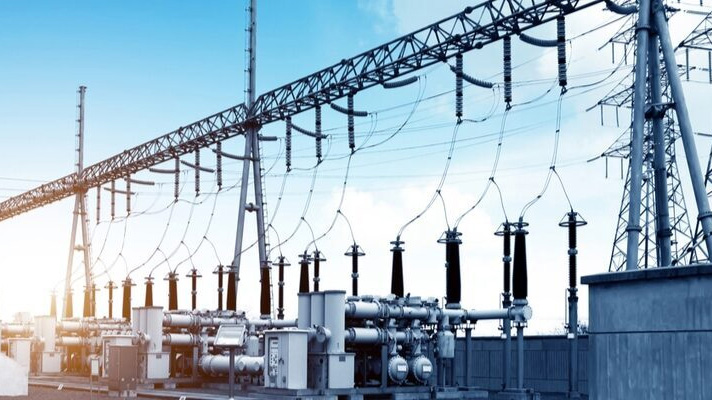
MBABANE – Eswatini recorded a 3.9 per cent increase in electricity imports during the 2024/25 financial year.
This is according to the latest Annual Electricity Compliance Report released by the Eswatini Energy Regulatory Authority (ESERA).
Total imports rose from 1 043MWh in 2023/24 to 1 084MWh in 2024/25, underscoring the country’s continued reliance on regional suppliers despite the growth of domestic generation capacity.
ESERA attributes the increase partly to higher system demand, which peaked at 252MW in 2024/25, up from 245MW the previous year. Supply from South Africa’s Eskom – traditionally Eswatini’s dominant supplier – grew significantly from 709 602 MWh to 870 783MWh, compensating for reductions in imports from Mozambique’s EDM and other short-term market sources.
This upward trend in imports highlights the ongoing vulnerability of Eswatini’s power landscape, where local production remains inadequate to meet national consumption patterns, especially during low-generation seasons.
The EEC – holding 298 918 customers, far more than RES Corporation and UFPC – continued to face pressure to maintain service quality as its customer base grew by 4.58 per cent. Demand for new quotations and supply installations rose correspondingly.
While EEC achieved a 92 per cent success rate in providing quotations to industrial and commercial clients, performance was significantly weaker where new network installations were required, with supply delivered within the minimum standard only 28 per cent of the time. The report notes that supply provision was relatively stronger when existing infrastructure could be used, though still below ideal benchmarks.
In contrast, meter reading performance remained strong for EEC and UFPC, each recording 100 per cent compliance for large credit-meter customers. RES Corporation lagged behind with 88 per cent, falling short of the 95 per cent standard.
All three utilities met the key requirements for 24-hour fault reporting, ensuring customers could reach call centres, receive reference numbers and get follow-ups. However, the biggest challenge lay in restoration times after unplanned interruptions.
*…
… solar surges, hydro steady, biomass strong
MBABANE – During the year 2024/25, total domestic generation reached 315 346MWh, supported by hydro, solar PV and biomass sources.
- Lavumisa Solar Plant delivered a standout 42 per cent capacity factor, the highest across all stations.
- Maguga Hydro remained the backbone of hydro production with 99 910MWh.
- Biomass plants (RES Mhlume and Simunye) produced a combined 34 762MWh, with capacity factors between 42 per cent and 51 per cent.
ESERA acknowledged the improving reporting culture of licensees, but emphasised the need for consistent submissions from all generating entities.
Meanwhile, a major red flag in the report is the deterioration of transmission losses, which jumped from 7 to 8 per cent, substantially exceeding the international benchmark of 3–5 per cent.
Transmission performance indicators show:
- SAIDI: improved dramatically from 25 228 minutes to 7 004 minutes, meaning customers spent less time without power overall.
- SAIFI: Improved to 16 interruptions on average, from 49.74 the previous year.
- ASAI: (Availability index) rose to 99 per cent, a notable improvement from 95.21 per cent.
The improvements suggest that while the network experiences fewer and shorter outages, efficiency challenges – particularly losses – require urgent attention.
*Full article available in our publication
















Leave a comment