

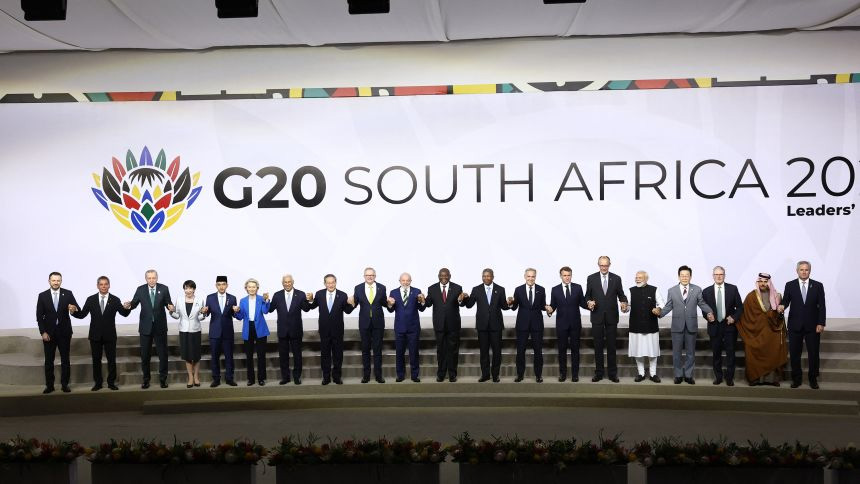
The 2025 G20 Summit, held in Johannesburg from November 22 to 23, marked a watershed moment: The first G20 gathering on African soil. However, the summit has been overshadowed by a major diplomatic rupture. The United States, under President Donald Trump, has effectively boycotted the meeting, refusing to participate in the core sessions.
Trump’s stated reason centres on unfounded allegations of persecution against the white Afrikaner farmers in South Africa, to the point of claiming a genocide. Claims widely rejected by Pretoria and most of Africa.
South African President Cyril Ramaphosa has insisted that the summit proceed regardless, framing the moment as an opportunity for multilateral cooperation without Western dominance. Despite Washington’s absence, delegates adopted a G20 Leaders’ Declaration focused on climate resilience, debt relief and global inequality.
At the close, Ramaphosa famously banged the symbolic gavel of G20 leadership, handing it over to an empty chair, since no US head of State was present. It was agreed that the US ambassador would take it at a later date.
Geopolitical shift: Global South and power realignment
The absence of the US at such a high-profile summit is more than symbolic. For many analysts, it signals a potential reorientation of global power towards the Global South and, particularly towards emerging economies in Africa.
South Africa’s presidency has pushed a progressive agenda: Climate justice, multilateral finance and development, rather than purely economic growth.
This shift has broader implications. If the Global South, formally known as ‘The Third World,’ can convene a functioning G20 Head of State Summit without its traditional dominant partner, the United States of America, it may assert a more autonomous course in global governance.
This could accelerate the erosion of Western-led multilateral frameworks and open space for non-Western powers; such as China, India and other emerging economies, to lead new initiatives. Eswatini, as a small African kingdom, must navigate these tectonic shifts carefully.
Eswatini’s diplomatic-strategic alignment
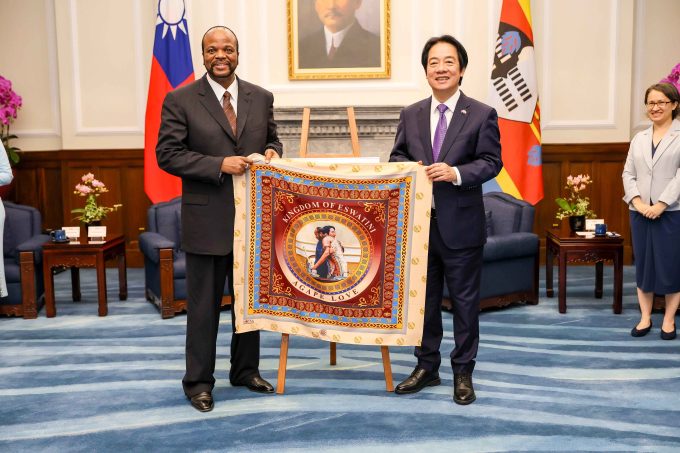
Against this backdrop, Eswatini’s diplomatic posture is cautious but opportunistic. On one hand, the kingdom has clearly deepened its ties with the United State, through American-backed firms such as Powerlink International, Sun Africa, and GTI Energy have signalled investment plan. Meanwhile, a Kellogg–Tolaram joint venture (with Kellogg USA) is expanding its factory at Matsapha Industrial Site to produce instant noodles and snacks. Eswatini’s relationship with Taiwan, a long-standing diplomatic ally, is bearing fruit. Taiwan has pledged substantial investment, including in a major industrial innovation park, and is bolstering Eswatini’s technological and manufacturing capacity. Taiwan’s involvement in the E5.2 billion Strategic Oil Reserve further shows its commitment to a growing partnership. This aligns with US interests, but also strengthens Eswatini’s own development base.
Simultaneously, Eswatini has kept the door open to mainland China: A Chinese consortium is constructing the Mpakeni Dam, under the Mkhondvo-Ngwavuma Water Augmentation Programme, supported by African Development Bank financing. This demonstrates Eswatini’s willingness to engage with all major global powers, not placing itself squarely in one camp, but rather hedging its bets in a rapidly shifting international order.
The SACU dimension: Masilela’s appointment and economic leverage
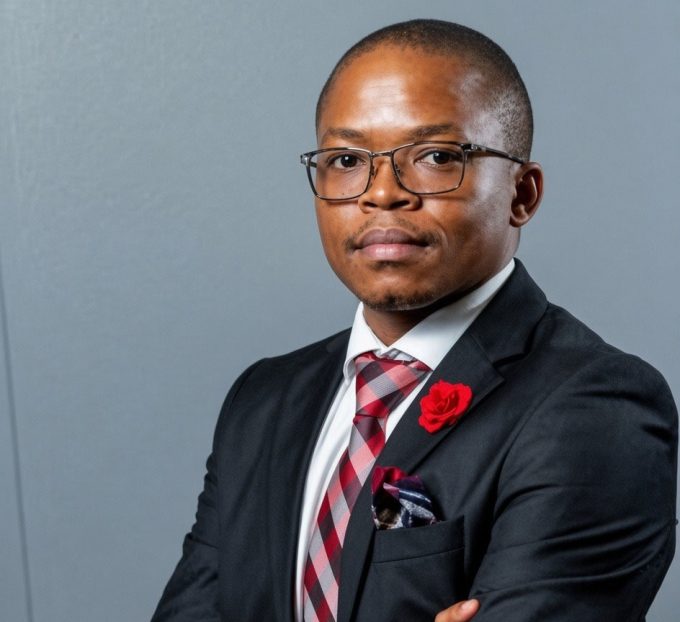
Domestically and regionally, Eswatini’s position is also shaped by its membership in the Southern African Customs Union (SACU). The recent appointment of Dumsani Masilela, a liSwati, who once led the Eswatini Revenue Service, as SACU Executive Secretary, is particularly strategic. Masilela is credited with modernising Eswatini’s tax and customs administration, transforming what was a modest customs department into a more efficient, revenue-collecting machine. SACU revenues are central to Eswatini’s fiscal health. The union’s receipts provide a critical source of income. Many of these revenues stem from key industries, among them a major Coca-Cola concentrate plant, whose products serve much of Sub-Saharan Africa. This plant is American-owned, embedding US capital deeply into Eswatini’s economic base.
This places Masilela, and by extension Eswatini, in a highly sensitive and pivotal role: As SACU head, he must balance the kingdom’s need for continued economic integration with South Africa against domestic political pressure and criticism. Notably, the South African Economic Freedom Fighters (EFF) has criticised SACU’s arrangements, questioning Eswatini’s governance and democratic credentials. Masilela’s leadership will be tested: Can he maintain SACU’s cohesion while safeguarding Eswatini’s fiscal interests and sovereignty?
Has Eswatini chosen the correct side?
In the midst of a possible realignment of global power, from the West towards the Global South and emerging economies, Eswatini’s approach appears pragmatic rather than ideological. It has not fully committed to one side; rather, it is pursuing a dual-track strategy: On the US-aligned track, Eswatini seems to be leveraging long-standing diplomatic ties and American capital to build industrial capacity and infrastructure. On the Global South track, it engages deeply with Taiwan and China, signalling that it is open to emerging partnerships and not strictly bound to Western power centres. This hedging strategy is likely the correct one, given Eswatini’s small size, limited resources and geopolitical constraints. In a rapidly changing world, putting all its eggs in one basket would be risky. By maintaining a balanced portfolio of relationships, Eswatini positions itself to benefit from multiple global currents, whether powered by the Dollar, by Chinese infrastructure, or by South-South cooperation. However, success is not guaranteed. The kingdom’s future depends on its ability to manage tensions in SACU, to ensure that foreign investments are sustainable and inclusive, and to remain flexible as global economic and financial systems evolve.
Policy recommendations and strategic considerations
To maximise its advantage in this multipolar era, Eswatini should consider the following policy moves: Strengthen SACU Diplomacy, use Masilela’s role to deepen cooperation with South Africa and other members, emphasising shared economic benefits, while defending Eswatini’s autonomy. Leverage US Investments for Local Capacity Building; negotiate with US firms to transfer technology, train the workforce and maximise local content in projects (e.g., Kellogg, energy firms). It must diversify financial sources, by actively exploring alternative financing mechanisms from BRICS-aligned institutions or Global South development banks, to reduce vulnerability to dollar-based shocks. It must also leverage Taiwan and Chinese investments (e.g., the TIIP park, the Mpakeni Dam) to develop environmentally sustainable industries, particularly in green manufacturing and agrotech. The country can also engage in G20/Multilateral Forums by aligning with countries pushing for the transformation of the international financial architecture. Comment septembereswatini@gmail.com














Leave a comment