

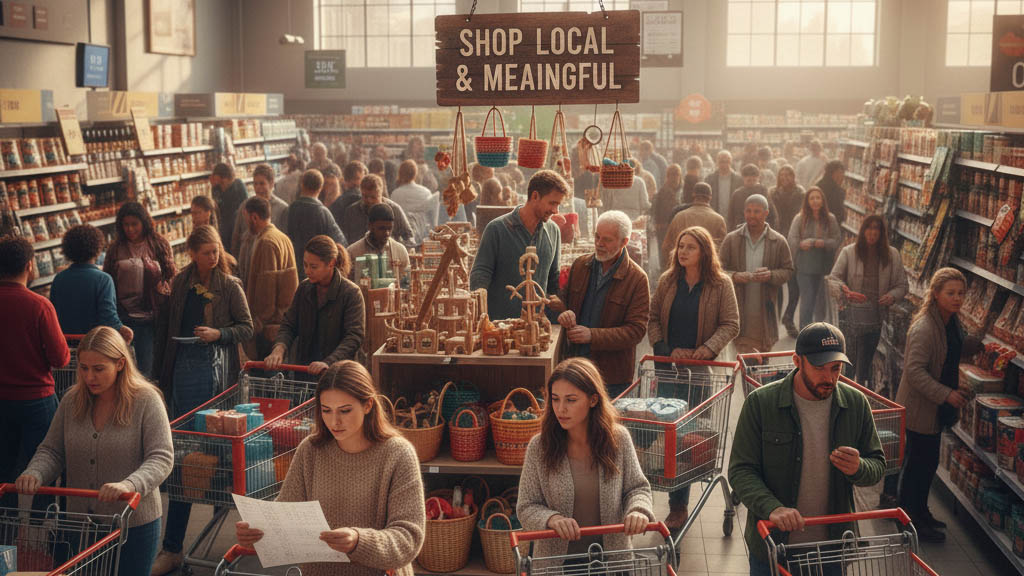
As Christmas Eve dawns, crunch time sets upon us, that last-minute shop run before we heard out to our different Christmas destinations. This can be a time of tumultuous time, as the herd of last-minute shoppers floods the shops. It is imperative to have a clear game plan to navigate the flurry and avoid compulsive spend and overshooting the budget.
Christmas is more than a date on the calendar, it’s a season of reunion, generosity and spiritual reflection.
It’s when families gather, children anticipate gifts and communities share meals and laughter. However, it’s also when social expectations peak. The pressure to ‘show up’ with new clothes, abundant food and wrapped presents can be overwhelming, especially in a year marked by economic strain.
This is where last-minute shopping becomes more than a logistical challenge, it becomes a test of our values. Do we spend to impress, or do we spend to express?
Do we buy out of panic, or do we purchase with purpose? Let us ponder on ways we can make this last-minute shopping experience a smoother one and not one that results in excess spending.
Start with list, not feeling
The first rule of last-minute shopping is deceptively simple: Make a list. Not just of items, but of people, priorities and limits. Who are you buying for? What do they truly need or appreciate? What can you afford? A list grounds you. It transforms shopping from a reactive sprint into a focused mission. It also helps you resist the seductive pull of impulse buys, those shiny, overpriced items that seem like a good idea until January’s bills arrive. The list must have clear priorities and cross off on certain items and activities that you do not really need, it is ok to miss out sometimes.
Shop early, shop local
It’s already Christmas eve and time is of the essence. The earlier you head out, the better your chances of avoiding long queues, empty shelves and frayed tempers. While you’re at it, consider supporting local vendors. Our markets and small businesses offer unique, handmade and culturally resonant gifts that carry more meaning than mass-produced imports. Buying local keeps money circulating in our communities and affirms the creativity of our people.
Budget
There’s a dangerous myth that budgeting kills the festive spirit. In truth, a budget is a boundary that protects your future self. It’s a declaration that your January dignity matters, as much as your December delight. Set a spending cap before you leave the house.
Withdraw cash if it helps you stay disciplined. Alternatively, separate your last-minute shopping budget from your transacting account, that way your impulse buys will not dig into your core sustenance funds. Also, remember: The value of a gift is not in its price tag, but in its thoughtfulness.
Think beyond the material
Not all gifts come in boxes. A handwritten note, a shared meal, a day spent with an elder, these are gifts that cost little but mean much. In a society where many are struggling with unemployment and rising costs, redefining what it means to give can be both liberating and healing.
If you’re shopping for children, consider gifts that spark creativity or learning. A storybook in vernacular, a puzzle or a simple craft kit can offer hours of joy and growth, far more than a fleeting toy or an expensive gadget.
Don’t shop hungry, tired or emotional
This may sound like advice for toddlers, but it applies to all of us. It is the basic psychology of shopping and if not well understood, can have disastrous consequences on one’s wallet. Shopping while hungry leads to overspending on snacks and poor shopper cognitive functioning and reasoning. Shopping while tired leads to poor decisions. Shopping while emotional, especially out of guilt or comparison, leads to purchases that don’t align with our values.
Take a moment to breathe before you shop. Eat something. Centre yourself. Then go out with clarity and confidence.
Wrap with intention
Presentation matters, but it doesn’t have to be expensive. Recycled paper, newspaper with a ribbon, or even a reusable cloth wrap can be beautiful and sustainable. In fact, wrapping gifts together as a family can become a cherished tradition in itself. Also, remember the environment as you wrap it, recycled wrapping material makes a lot of sense for the environment and saves your pockets from much harm.
A season of joy, not judgment
Let us remember that the heart of Christmas is not consumption, but connection. It’s not about who spent the most, but who showed up with love. As we navigate the final hours of shopping, let’s resist the urge to compare, compete or conform.
Instead, let’s model a new kind of festive economy, one rooted in wisdom, generosity and cultural pride. Let’s teach our children that joy is not bought, but built. Furthermore, let’s enter Christmas Day not with empty wallets and full trolleys, but with full hearts and clear minds.
In the end, the best gift we can give ourselves and each other is the freedom to celebrate without regret.

















Leave a comment