

The farming industry has been grappling with the harsh realities of climate change, from scorching heatwaves to destructive hailstorms.
Unfortunately, many livestock have succumbed to these extreme weather conditions, leaving farmers devastated. As we approach the dry months of winter, it becomes imperative for farmers to protect their livelihoods by investing in livestock insurance.
Livestock holds a special place in the hearts of African farmers. It not only ensures food security for many families, but also serves as a means to generate income, pay for education and symbolise wealth. Many companies in the country recognise the significance of livestock in people’s lives, like for example Eswatini Royal Insurance Corporation (ESRIC) who introduced a specialised Livestock Insurance cover tailored specifically for rural subsistence farmers who may struggle to meet the requirements of standard insurance policies.
“Our focused livestock insurance covers a select range of perils that pose the greatest risk to livestock, making it more accessible and affordable for subsistence farmers. Unlike traditional insurance policies that demand fenced areas and veterinary certificates for each animal, the cover streamlines the process, allowing farmers to obtain coverage without these burdensome prerequisites,” mentioned ESRIC. However, farmers are still expected to ensure that their livestock is safely returned to the kraal each night, avoiding leaving them unattended in the mountains or fields.
The importance of livestock insurance cannot be overstated, and here are four key reasons why every livestock farmer should consider it:
1. Protection against lightning: Lightning strikes pose a significant threat to livestock, particularly during the rainy season. With the unpredictability of weather patterns brought about by climate change, the risk of lightning strikes has increased. Livestock insurance provides financial coverage in the event of lightning-related losses.
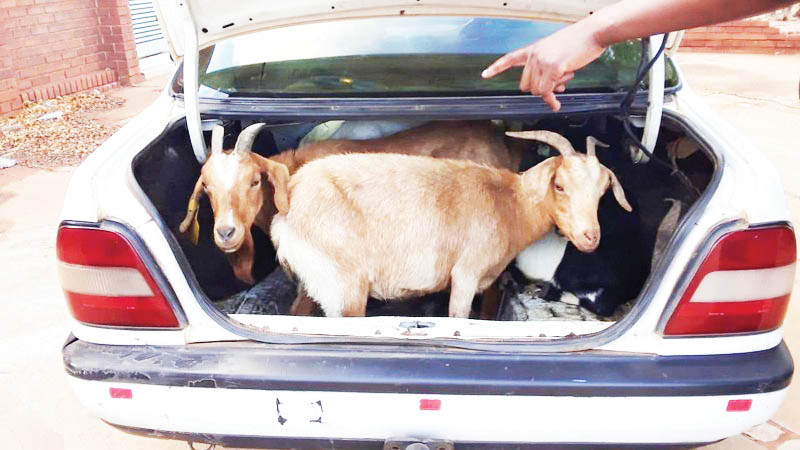
2. Safeguarding against theft: Livestock theft is a persistent problem that can result in the loss of an entire herd. Farmers residing near border areas are especially vulnerable to this threat. Livestock insurance offers peace of mind by providing compensation in case of theft, helping farmers mitigate their losses.
3. Coverage for snake bites: Snakes pose a danger to livestock, causing injuries or even death. The financial burden of treating or replacing affected animals can be significant. By having livestock insurance, farmers can receive compensation for losses resulting from snake bites, ensuring their financial stability.
4. Protection against accidental injuries: Livestock can sustain injuries due to various accidents, such as falls or altercations with other animals. These injuries can have severe consequences for farmers, both financially and emotionally. Livestock insurance covers accidental injuries, providing farmers with the necessary support to recover from such losses.
In a world where climate change and other risks threaten the agricultural sector, livestock insurance serves as a vital safety net for farmers. It not only protects their investment, but also offers peace of mind in the face of uncertainties.


















Leave a comment