

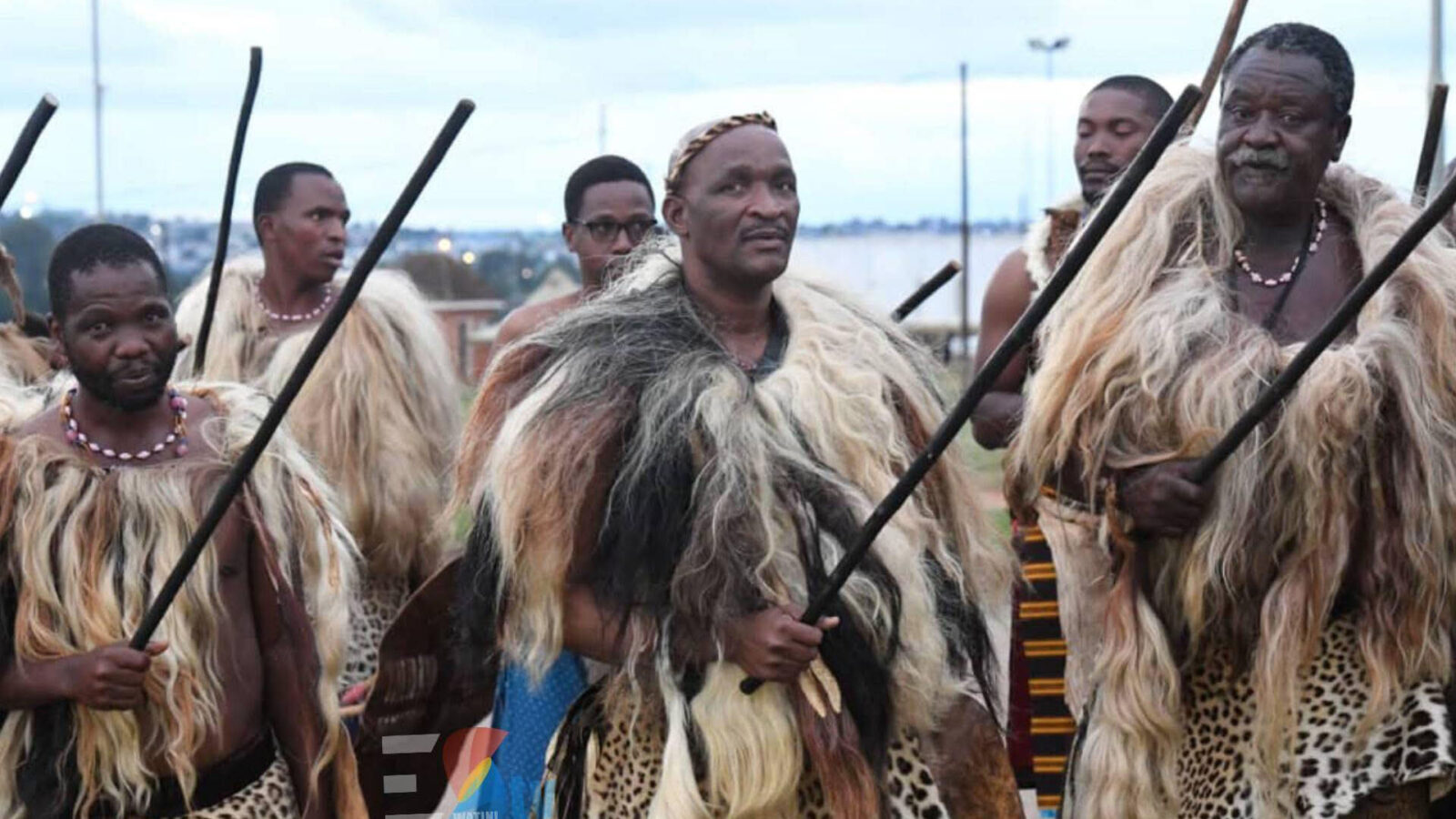
In a nation where tradition and justice are both deeply rooted, the recent decision by His Majesty’s Correctional Services (HMCS) to allow selected inmates to participate in the Incwala ceremony has ignited a robust discussion about rehabilitation, cultural identity and the sensitivities owed to victims and their families. This moment invites us to examine not only the intention behind such a move, but also the complex interplay between restorative justice and cultural participation in Eswatini.
For the first time in the history of the institution, inmates have been permitted to attend Incwala, arguably the kingdom’s most sacred cultural event – a ceremony symbolising renewal, unity and allegiance to national values. HMCS’s statement makes clear that this participation is not a reward, nor does it represent early release or reduced sentences. Rather, it is part of a structured rehabilitation programme designed to foster moral regeneration, cultural identity and disciplined behaviour within custody. Eligibility, HMCS insists, is determined through rigorous assessments of behaviour, remorse, compliance and security considerations.
To supporters of the initiative, this represents a meaningful evolution in how we conceive of correctional services. Rehabilitation, they argue, must go beyond confinement; it must engage the human spirit, nurture a sense of belonging and offer every individual the tools to return to society as a transformed person. Cultural rites like Incwala, steeped in discipline and communal purpose, can reinforce values that traditional prison programmes may struggle to instil. In this light, HMCS’s approach aligns with progressive correctional best practice, which recognises that punitive measures alone cannot address the deeper wounds of crime or guarantee successful reintegration.
There is also a practical dimension to this. Correctional systems worldwide increasingly incorporate education, vocational training and psychosocial support to reduce recidivism and prepare inmates for life after release. Eswatini’s own rehabilitation programmes, as outlined in official policy, include educational and vocational training alongside moral and cultural initiatives – efforts to transform individuals rather than simply contain them.
Yet, as with any pioneering effort, this move has not been without controversy. A recent report in the Times of Eswatini detailed how the attendance of high-profile inmate Ntuthuko Dlamini – serving a lengthy sentence for multiple murder convictions – at Incwala sparked public outcry. Critics questioned whether it was appropriate for someone convicted of such violent crimes to be present at a ceremony attended by His Majesty the King and others held in high cultural esteem. Some social media voices and members of the public argued that such participation could be deeply hurtful to the families of victims, potentially reopening emotional wounds under the banner of rehabilitation.
Here lies the crux of the debate: The simultaneous pursuit of offender transformation and sensitivity to those harmed by crime. Rehabilitation cannot be pursued in a vacuum. For many survivors and victims’ families, seeing offenders in spaces of honour – even if symbolically tied to cultural renewal – may feel like a minimisation of their loss. It highlights a fundamental truth: justice must balance compassion for offenders with empathy for victims. Failure to acknowledge this delicate balance risks alienating those who already feel marginalised by the justice system.
Yet, the alternative – to deny rehabilitation opportunities because of the severity of an offence – raises its own ethical and legal challenges. HMCS maintains that excluding individuals solely based on sentence length or public sentiment would contravene both the law and correctional best practice. Rehabilitation, in their view, is a constitutional obligation, not a discretionary privilege.
So how should we view this intersection of culture, correction and community healing? It seems clear that rehabilitation must not be an abstract ideal nor a tokenistic gesture. It must be rooted in transparent criteria, community dialogue and a sincere commitment to public safety and dignity – for both offenders and victims. Cultural participation, like that permitted at Incwala, can be a powerful tool when used thoughtfully and accompanied by programmes such as victim-offender mediation, where appropriate, that facilitate healing and accountability.
It is equally crucial for correctional authorities and cultural leaders to engage the public in these conversations. Understanding why such rehabilitative measures matter, and how they can be implemented without diminishing the experiences of victims, can build shared confidence in a system that strives to be just, humane and forward-looking.
In the end, rehabilitation and respect for cultural heritage need not be at odds with victims’ rights. However, achieving harmony between these goals requires careful calibration, empathetic communication and a justice system that honours both transformation and accountability. If handled with sensitivity and integrity, initiatives like HMCS’s Incwala inclusion can contribute to a more holistic, inclusive vision of justice – one in which society acknowledges that even those who have strayed can be guided toward redemption, while never forgetting the pain of those left behind.












Leave a comment