

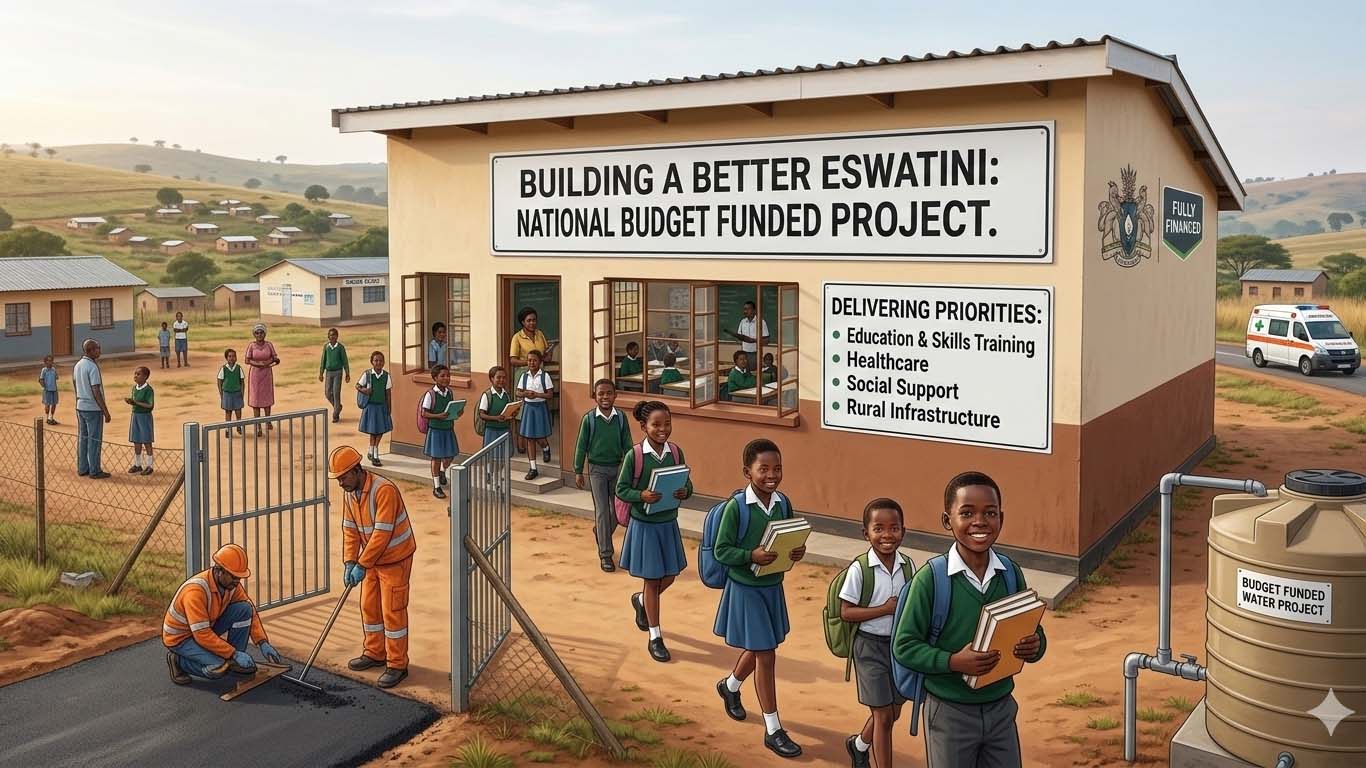
The National Budget is more than just a financial document; it is a statement of priorities and a reflection of the issues government believes matter most to its citizens. In the case of Eswatini, the recent National Budget demonstrates that government has listened to the concerns raised by emaSwati and is making deliberate efforts to respond to them. Through increased investment in education, strengthened social protection programmes, infrastructure development and continued support for health services, the budget signals a commitment to addressing the everyday challenges faced by ordinary citizens.
One of the clearest indications that government has taken public concerns seriously is the continued prioritisation of education. For many emaSwati, access to quality education remains one of the most important pathways to employment, social mobility and national development. Recognising this, the education sector continues to receive one of the largest shares of the National Budget. Government has allocated over E5.4 billion to education, representing a significant investment in improving learning conditions and expanding opportunities for young people.
This allocation reflects government’s acknowledgement that the future of the country depends on human capital development. Increased funding is expected to support school infrastructure, improve access to learning resources and address staffing challenges in the education sector. In previous budgets, government also committed funds towards converting temporary teaching posts into permanent positions, a move that contributes to both teacher stability and improved learning environments for learners.
Equally significant is the allocation for scholarships. Government has earmarked over E702 million for scholarships, ensuring that deserving emaSwati can pursue higher education and specialised training. This investment directly responds to long‑standing public concerns about limited opportunities for tertiary education. Beyond education, the national budget also demonstrates a strong commitment to social protection. Many households across the country continue to face economic pressures arising from unemployment, poverty and the rising cost of living. Government has responded by increasing allocations for social grants and welfare programmes administered through the Deputy Prime Minister’s Office. These programmes provide essential support to vulnerable groups, including the elderly, orphaned and vulnerable children and people with disabilities.
Such interventions may appear modest, but they play a crucial role in supporting households that depend on these funds for daily survival. Health services remain another key priority in the National Budget. The health sector continues to receive a substantial allocation as government works to strengthen the country’s healthcare system and address ongoing public health challenges. Investments in healthcare infrastructure, medical supplies and healthcare personnel are essential in a country where issues such as HIV/AIDS and other chronic illnesses continue to affect communities. Ensuring that health services remain adequately funded is, therefore, both a humanitarian and economic necessity.
Infrastructure development also features prominently in the National Budget. Roads, water supply systems and other public infrastructure projects are critical for economic growth and improved service delivery. Government has allocated significant funding for road rehabilitation and other infrastructure initiatives aimed at improving connectivity and supporting economic activity. Improved infrastructure not only facilitates trade and transportation, but also enhances access to essential services such as healthcare and education, particularly for rural communities. Another positive aspect of the budget is government’s continued emphasis on fiscal stability and responsible financial management. The national budget, valued at over E32 billion, has been structured in a way that ensures it remains fully financed. Maintaining fiscal discipline is critical for building investor confidence and ensuring that government can continue delivering services without accumulating unsustainable debt. Of course, like any National Budget, there will always be debates about whether allocations are sufficient or whether resources should be distributed differently. However, what stands out in the current budget is the clear effort by government to address key national priorities that have long been raised by citizens: Better education, stronger social protection, improved healthcare and enhanced infrastructure. In many ways, the National Budget can be seen as a roadmap for the country’s development.















Leave a comment