

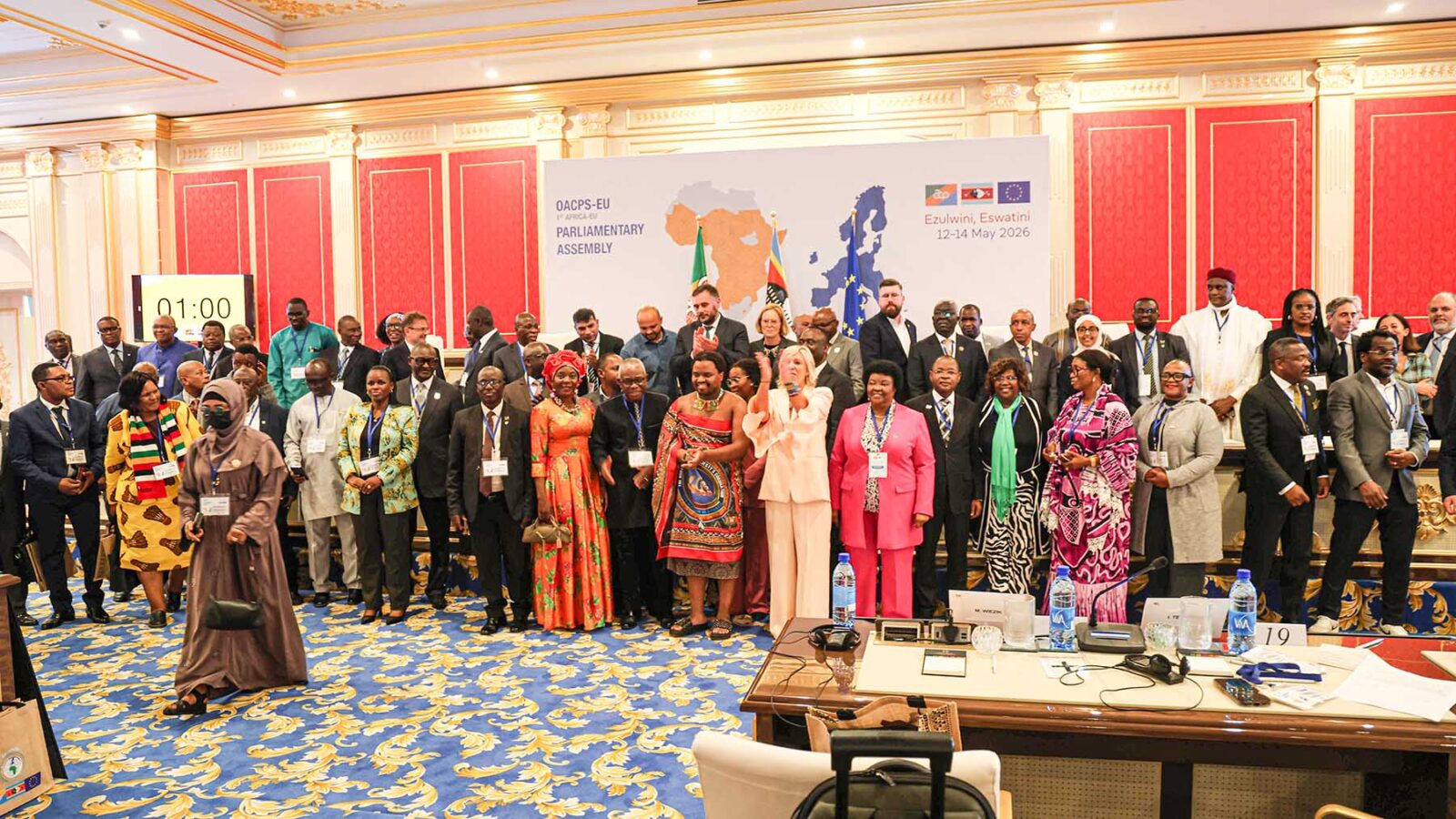
When the Kingdom of Eswatini agreed, with less than two months’ notice, to host the OACPS–EU Summit under the new Samoa Agreement framework, many might have doubted its capacity to pull it off.
Yet over 500 delegates, including parliamentarians, ministers and international officials, were received in a setting that was as polished as any global venue and in an environment of calm and stability.
That, however, is where the easy part ends. If this summit is to mean anything for the citizens, the outcomes must be tangible. The meeting marked the first Parliamentary Assembly held under the Samoa Agreement, which is the new partnership framework between the European Union and the Organisation of African, Caribbean and Pacific States(OACPS).
Briefly, the agreement was signed in 2023 in Apia, Samoa, it replaces the Cotonou Agreement and is intended to guide cooperation on trade, development, climate, governance, migration and human rights for the next two decades.
In essence, the Samoa Agreement seeks to recalibrate the relationship between Europe and 79 OACPS countries, at a time when the global order is being aggressively contested. The scramble for critical minerals has turned the continent into a battleground of influence. In this context, the agreement is supposed to move the OACPS–EU relationship beyond aid dependency towards a more modern, mutually beneficial partnership. However, the historical imbalance is impossible to ignore and this was evident in the speeches delivered during the welcoming dinner for delegates. Speaking as both head of delegation and ‘messenger’ of the OACPS meeting, Prince Lindani, delivered a strong message from the African parliamentarians who have emphasised that investment from Europe must prioritise beneficiation, oversight and accountability. “We reminded partners that we export products and not profit,” he said.
Well done to the MPs on this one, as these seven words speak to the heart of Africa’s development dilemma.
For decades, the continent has shipped out crude oil, unprocessed minerals and primary agricultural products, only to import refined fuels, manufactured goods and processed foods at a high cost to the citizens. The value is added and the jobs are created elsewhere. Unless the Samoa era partnership confronts this directly, the talk of ‘winwin’ will remain just that.
The prince also touched on the youth predicament. He revealed that delegates had resolved that at least 50 per cent of postsummit programming should directly benefit universities, digital innovation hubs and young entrepreneurs across member States. “May every young person in our 79 nations inherit a passport stamped not with desperation, but with opportunity,” he said.
European Parliament CoPresident of the Africa–EU Parliamentary Assembly, Hilde Vautmans, described the gathering as historic and rightly called for a deeper, actionoriented partnership between Europe and Africa, one that is felt in the daily lives of citizens, not just in the language of communiqués. Vautmans spoke of trust, honesty, patience and the idea that partners ‘make each other better’. These values matter most in a world where superpowers court African countries with chequebooks in one hand and strategic conditions in the other.
Can the Samoa Agreement and its associated instruments do more than create lines in a budget but foster youth empowerment and job creation? Anything less will make this agreement a decorative document that changes little on the ground.
In the context of an international meeting hosted in a country that delivered a polished event on short notice, Eswatini has amply demonstrated that logistical readiness is not in doubt.
The real question is whether the same urgency and discipline will be applied to monitoring implementation: Tracking how many young entrepreneurs receive support, how much beneficiation capacity is built and how many joint ventures move from memorandum to production line.
If the Samoa Agreement does ultimately shift the needle for OACPS countries, Eswatini will be able to claim more than hosting rights.
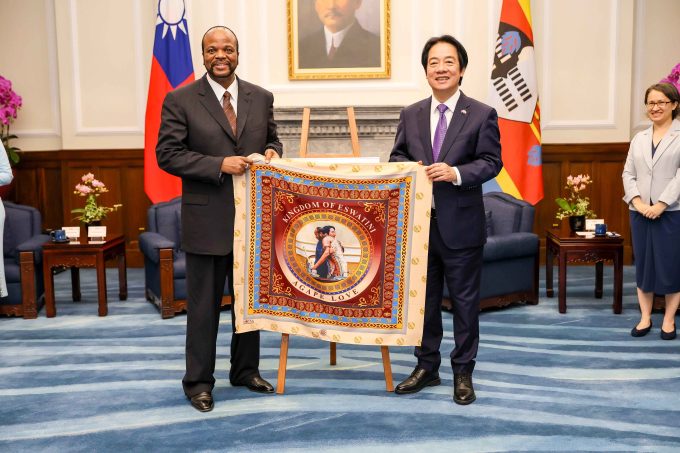
OACPS Secretary General Moussa Saleh Batraki, used the dinner to highlight King Mswati III’s role in keeping the organisation itself viable. He recalled the recent 11th Summit of Heads of State and Government in Malabo, where the King had, in 30 minutes, raised E14 billion for the OACPS, a feat Batraki described as ‘leadership of the highest order’.
By mobilising resources to keep the lights on at the OACPS, the King has helped ensure that there is an institutional home to drive, coordinate and defend the interests of Africa, the Caribbean and the Pacific in negotiations with Europe and beyond. Batraki described Eswatini as a respected voice for peace, stability and constructive engagement, stating that under the King’s wise stewardship, the country continues to champion transformation and strategic positioning of the OACPS within a concerning global order. Vautmans, too, noted that Eswatini had shown how a small country can be big. This is a significant recognition for a country that has demonstrated it can host and shape high-level global discussions, even at short notice.
As the meeting draws to a close, we remain hopeful that the same energy will be harnessed to derive tangible dividends for emaSwati by way of better trade terms, real opportunities for youth and investments that build industries rather than dependency.











Leave a comment