

Week in and week out, theft cases are dealt with at police stations, and articles on such cases are published in the national media, leaving the hanging question undiscussed: What drives the rising theft cases in Eswatini? The rise of theft in the country cannot be tackled without confronting the harsh reality of unemployment. Across communities, many young people wake up every day with qualifications, energy and ambition, yet no opportunities to earn a living. The cost of living keeps on rising and survival becomes harder; desperation slowly replaces hope. Not in any circumstances is theft justified, but society should ask itself what happens when thousands of people are excluded from the economy for years. What choices remain for a graduate who cannot find work, a parent who cannot provide food a youth who feels abandoned by the system?
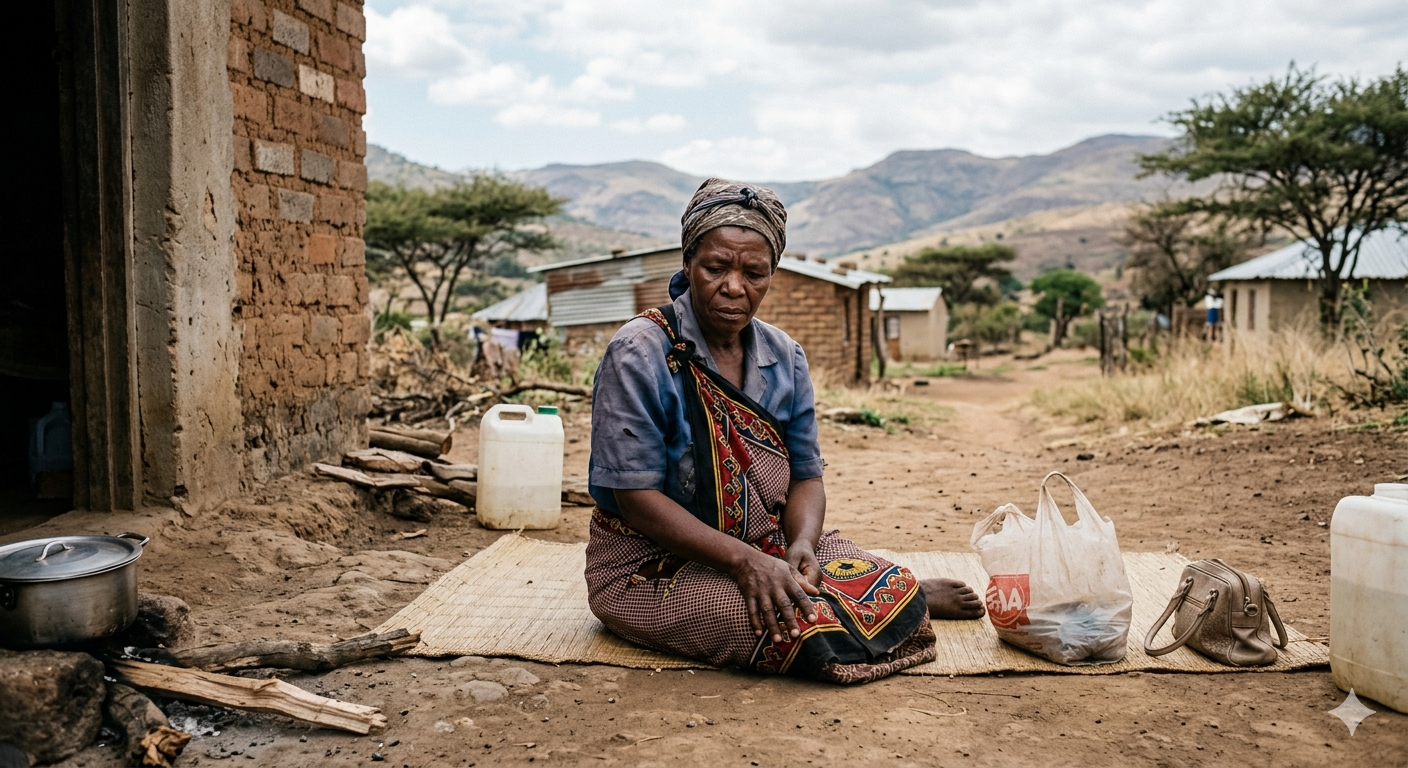
A recent case of a woman from Mgobhodzi who was caught on CCTV stealing a handbag and later confessed in court that she had been shoplifting for 10 years is particularly heartbreaking. This was reported on the Independent News website. A woman in her 50s, old enough to be a parent or grandmother, standing before a court admitting to a decade-long pattern of theft forces society to ask difficult questions. What does this say about the economic and social conditions many people are silently enduring? Unlike the organised and sophisticated robberies making headlines, this case reflects another side of the crisis, which is survival crime. Shoplifting cases often reveal personal desperation, poverty and economic instability. Probably, she has thousands of mouths that need to be fed, and judging by the country’s unemployment rate, she felt cornered. Punishment alone cannot solve the escalating issue, and sentencing people to prison or fines, removes offenders from the streets, but it does not address the conditions producing repeated crimes in the country. If a woman admits to shoplifting for 10 years, then the nation should question where intervention, support systems and economic opportunities have been during that time.
The high and persistent unemployment, especially among the youth, remains a key concern in the country. According to the Guinness World Records, the country with the highest total unemployment is the Kingdom of Eswatini, with a rate of 40 per cent in May 2024. “Eswatini’s economy is heavily dependent on the subsistence agriculture and low-value -added sectors, which contribute to the persistently high levels of unemployment and poverty,” reads the article. What is done to curb the rising rate of unemployment, especially among the youth? The Ministry of Economic Planning and Development is mandated to coordinate policies and create an environment for sustainable economic growth, yet unemployment remains one of the country’s biggest social and economic crises. Police and courts continue dealing with criminals after crimes have already occurred. The country must research whether enough is being done to prevent desperation before it turns into criminal behaviour.
People continue to search endlessly for jobs without success, which can lead to losing hope. The last thing a government needs is a nation losing faith in the system that should serve them. A society that loses faith in its government becomes a dangerous and unpredictable place. When citizens no longer believe that appointed leaders can improve their lives by creating opportunities, and lessening their frustration slowly transforms into anger and resentment. Young people graduate from universities and colleges only to return home jobless for years and this is becoming the norm. Governments need public confidence to govern effectively, while citizens need responsive leadership to feel secure and valued. Restoring public trust requires more than speeches and promises; citizens want to see tangible change, which includes job, opportunities, safety and transparency.
Members of Parliament are meant to serve as the direct voice of the people and they are elected into positions of power because citizens trust them to carry community struggles, frustrations and hopes to national decision-making spaces. Citizens look to them during difficult times, expecting them to speak boldly about pressing issues like unemployment, which keeps on rising, poverty and road issues. MPs elected by the people are expected to raise these concerns consistently and push for solutions that directly improve people’s lives. Do leaders become distant from the people once they enter positions of authority? Are they fully representing their communities? Representation should not only appear during campaigns, but communities want leaders who actively engage with local problems, listen to ordinary people and raise practical solutions in Parliament.
The robbery and theft cases dominating headlines are not only criminal stories, but they are also warning signs of a society under pressure. Crime is unjustifiable, but it is impossible to ignore the connection between the prolonged unemployment in the country. It is high time that this issue becomes more than a political promise and a national priority. Ministries, MPs, private companies and communities themselves have a collective responsibility to create opportunities that benefit all.



















Leave a comment