

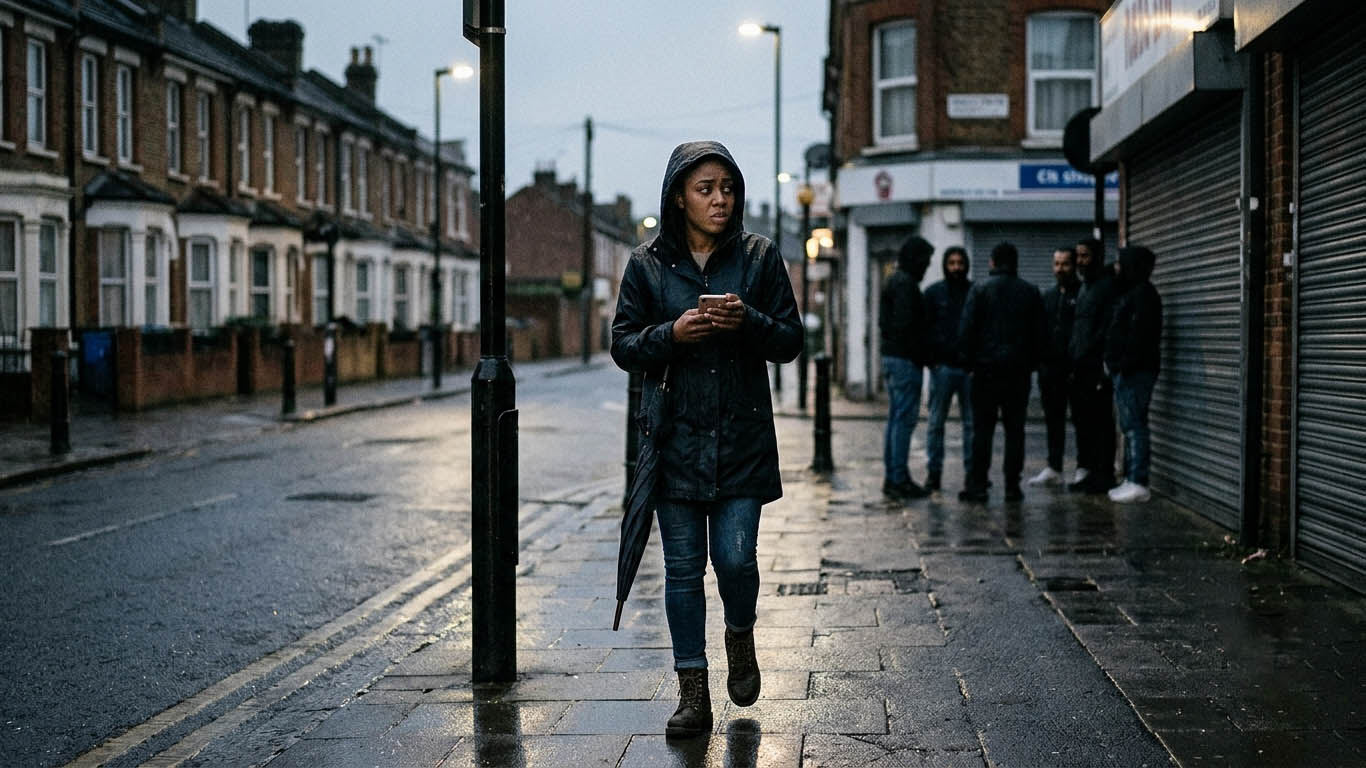
An unsettling reality has taken hold: Many women no longer feel safe walking alone in their neighbourhoods, stepping out for dates or even simply existing in public spaces without a looming sense of danger.
This pervasive sense of insecurity is rooted in a troubling pattern of men’s behaviour, societal attitudes and the failure of systems meant to protect women. The consequence is a world where women often have to weigh their independence and freedom against the fear of harm, making it increasingly difficult for them to live unencumbered.
For countless women across the globe, the simple act of taking a walk alone or going on a date can be fraught with anxiety. This is not just about discomfort; it is about genuine fears of harassment, assault or worse. Statistics support this reality; reports of sexual harassment, assault, stalking and violence are alarmingly high. According to the World Health Organization, about one in three women worldwide has experienced either physical or sexual intimate partner violence or non-partner sexual violence at some point in their lives.
In many urban and rural settings, women often modify their behaviours to avoid danger. They avoid walking alone at night, refuse to take certain routes or decline invitations out of fear. These behaviours aren’t just about personal preference, but they are survival strategies shaped by lived experiences and societal realities. The fear is compounded when stories of assault or harassment make headlines, reinforcing the message that women’s safety is fragile and often compromised.
A significant part of the problem lies in the behaviour of some men, those who disrespect boundaries, engage in harassment or commit acts of violence. Media reports and social media campaigns have increasingly spotlighted stories of men who make it unsafe for women to exist freely.
This includes catcalling, stalking, unwanted advances and physical assault. While the vast majority of men are not violent or predatory, the actions of a few have ripple effects, fostering a climate of fear for women. When women see or hear about incidents where their safety was compromised, it heightens their anxieties and often leads them to limit their independence. It also reinforces harmful stereotypes that women are responsible for their own safety, prompting blame or shame rather than accountability from perpetrators.
Beyond individual behaviour, societal attitudes and cultural norms play a crucial role in shaping women’s sense of safety. In many cultures, gender stereotypes persist that trivialise women’s fears or dismiss their experiences as overreactions.
Victim-blaming and suggesting that women are responsible for their own assaults because of what they wear or how they behave is even more problematic because it silences women and discourages them from speaking out or seeking help. Media portrayals also influence perceptions. When news reports sensationalise crimes against women or portray women primarily as survivors, it can foster a sense of helplessness and fear.
The consequences of this unsafe environment are profound. Women’s freedom to move, socialise and pursue opportunities is curtailed. They must avoid going out after dark, limit their social circles or even restrict their careers if they feel unsafe commuting. These restrictions can lead to social isolation, reduced economic independence and diminished quality of life.
Furthermore, the psychological toll of constantly being on alert or fearing for personal safety is immense. Anxiety, depression and trauma are common among women who have experienced harassment or violence. The fear is not just about physical harm; it is about the erosion of autonomy and the constant threat to their sense of security and dignity.
There reality today is that many women face daily fears that men’s actions and societal attitudes have cultivated. The simple acts of walking alone or going on a date should not be acts of bravery or risk when they should be normal, safe and accessible to all.
Until society recognises and actively addresses the underlying issues, women will continue to live in a state of heightened alertness, constrained by fear. It is time for a cultural shift, one that values women’s safety, holds perpetrators accountable and fosters respect and dignity for everyone. Only then can we hope to build a future where women no longer have to wonder if they will be safe, but can instead live freely, confidently and without fear.

















Leave a comment