

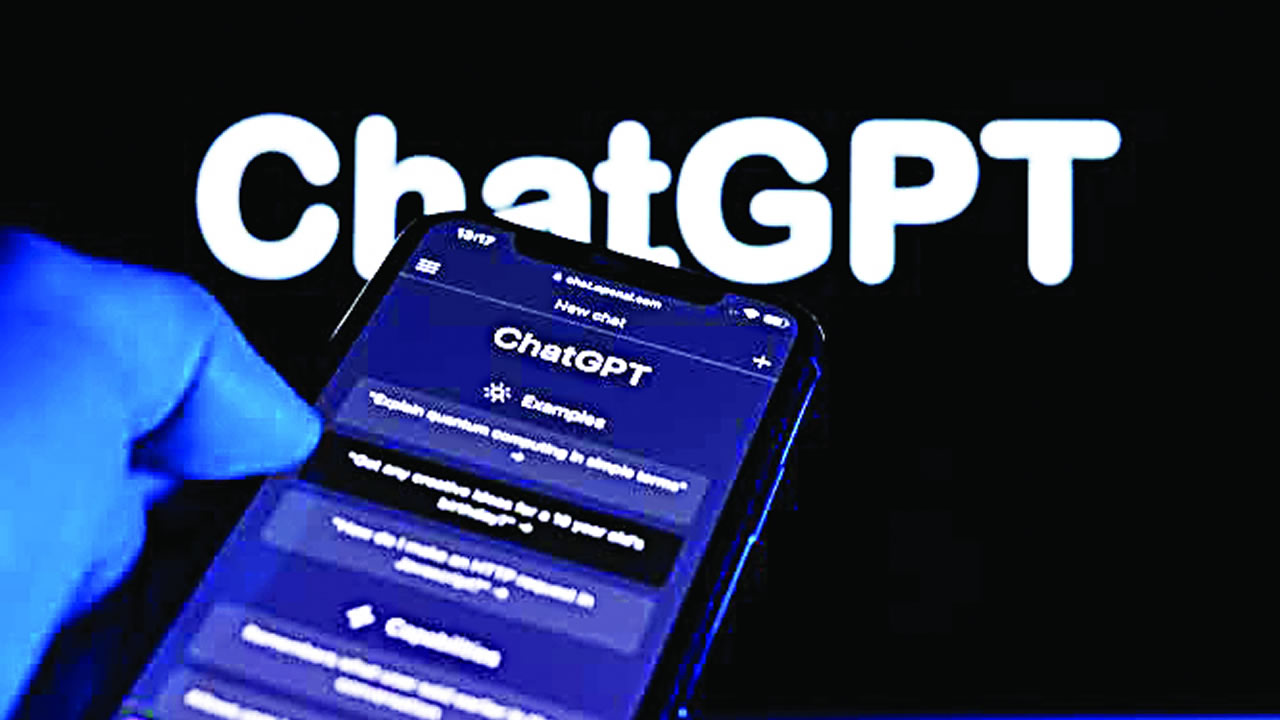
There’s no shortage of questions to ChatGPT about all sorts of things in the world. In return there’s an abundance of answers in English.
The question is, can ChatGPT speak in isiZulu or other African languages? ChatGPT is able to somewhat understand some African languages. The generative AI tool can accept and answer questions in isiXhosa and isiZulu.
While its answers are still very poor, its ability to respond in an Africa language is an important development in the technology space. For a very long time African languages were always taking a back seat in terms of enabling readers to enjoy the internet in their own languages.
ChatGPT however has a far better ability compared to the era of the web which saw very few websites being presented in African languages.
What will it take for ChatGPT to embrace African languages?
In view of the future impact of generative AI it is imperative that such tools are able to understand other languages as well. This is important partly because future interaction with digitally enabled tools will be through language. For now English is in the forefront partly because it has been the key language on the internet.
Since ChatGPT knows what it knows based on what it has been told by internet users, the English language input dominates for now. But, it does not have to be that way for the future. African languages can enjoy a similar interaction that is enjoyed through English interaction.
This will require an internet input that will come in the form of African languages. In simple terms, if isiXhosa speakers would like to enjoy an interaction with ChatGPT in isiXhosa, more Xhosa input on the internet is required.
This means individuals and organisations will have to start using an African language in their interaction with the internet. The more people who write in African languages, the more generative AI content will improve. Organisations and businesses can also contribute in this process by developing websites and apps in African languages. All of this effort will lead to AI that understands African languages and as a result will be able to answer in those languages.
Institutions such as universities will have to take a leading role in finding ways that will ensure that there are versions of African language content that can be added on generative AI. Governments will have to take a more supportive role to enable efforts that embrace African languages in the age of AI. Failure to do so may just lead to a situation where technology advanced tools will not be able to interact and communicate in African languages.
For the very first time, there’s an opportunity to preserve African languages in the digital age. This is possible because tools like ChatGPT are essentially large language models. That means as a tool it is very good at predicting what kinds of words tend to follow others, after being trained on a huge body of text.
ChatGPT has aced a problem that long served as a far-off dream for engineers: generating human-like language. The beauty of a tool like ChatGPT is that it has its ability to produce text depends on how much training data is available for any given language.
The time is now for individuals, businesses and governments in Africa to set a goal of creating content in African languages. This will have a significant impact in ensuring that future generations can chat with ChatGPT in their own languages.
















Leave a comment