

The workplace is more than just a space where tasks are performed. It is where employees spend a significant portion of their lives, contributing their skills and experience to achieve organisational goals. In such an environment, effective communication is critical to maintaining harmonious industrial relations and fostering a culture of mutual respect.
Communication between employers and employees can take many forms, both formal and informal. These may include communication forums established through recognition agreements, management and union meetings, company newsletters, suggestion boxes, and other channels. Among the most essential communication tools in any workplace are grievance and disciplinary procedures, which serve as structured means of expressing concerns and maintaining standards of conduct.
Grievance procedures empower employees to raise concerns or express dissatisfaction in a respectful and constructive manner (communication from the employees to the employer). This form of upward communication helps ensure that employee voices are heard. Conversely, disciplinary procedures are a downward communication, enabling employers to reinforce acceptable standards of behaviour and address misconduct in a fair and transparent way (communication from the employer to the employees).
While the development of these procedures is the responsibility of the employer in consultation with employees or their representatives, the absence or neglect of these processes often leads to conflict, disruption, and costly labour disputes.
A well-defined and consistently applied grievance and disciplinary framework brings numerous benefits, such as establishing clear mechanisms for managing conflict in the workplace; promoting fairness and consistency in applying discipline and addressing employee concerns; upholding the principles of natural justice, encouraging open dialogue without fear of victimisation; resolving conflicts swiftly and strengthening trust between employees and management.
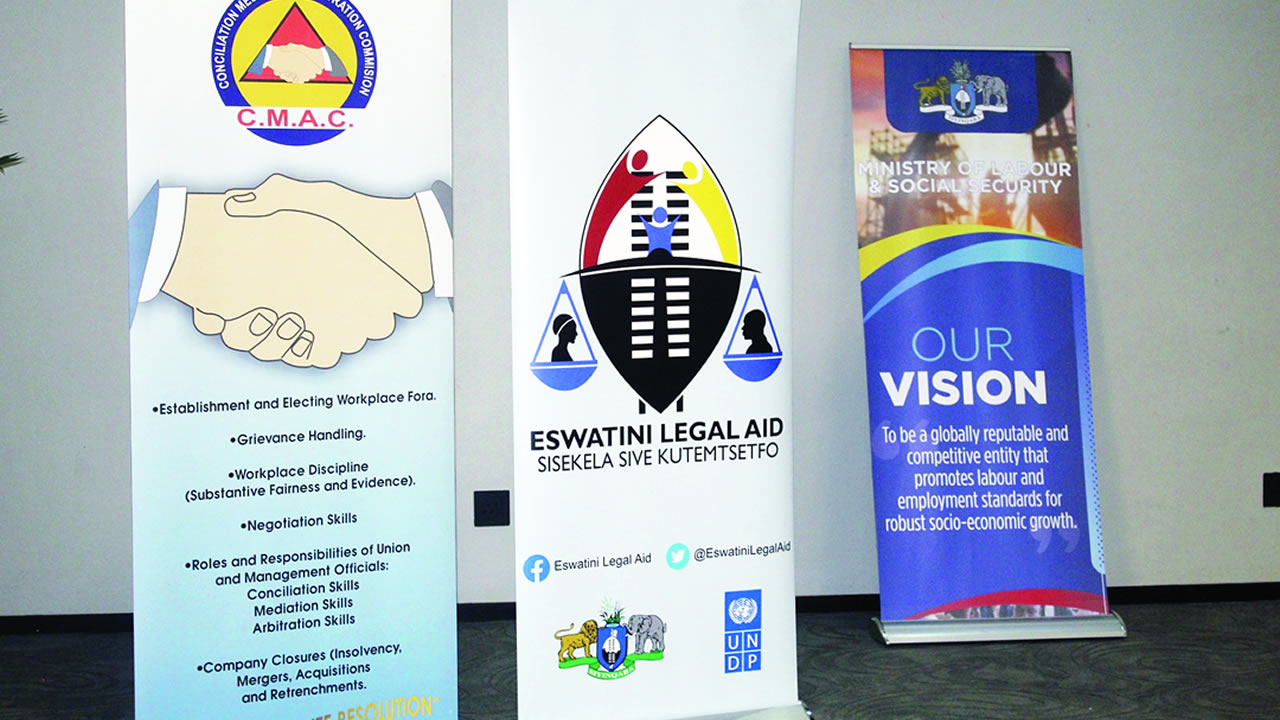
To support organisations in building and maintaining these crucial frameworks, the Conciliation, Mediation and Arbitration Commission (CMAC) is delighted to invite all stakeholders including employees, trade union representatives, employers, and management teams to participate in the upcoming public training programme, scheduled for June17–19 2025.
This comprehensive three-day training offers a dynamic and practical learning experience, covering: the latest developments in labour law and case law; best practices in grievance and disciplinary handling; real-world scenarios and interactive discussions; tools to enhance workplace conflict resolution and compliance.
Join us for this impactful programme and strengthen your organisation’s capacity to manage workplace relations effectively and lawfully.
CMAC has opened new Offices at Shop No 38 dSiphafaneni Plaza. Opened 5 days a week. Our contact numbers are 76273250 and 79586474.



















Leave a comment