

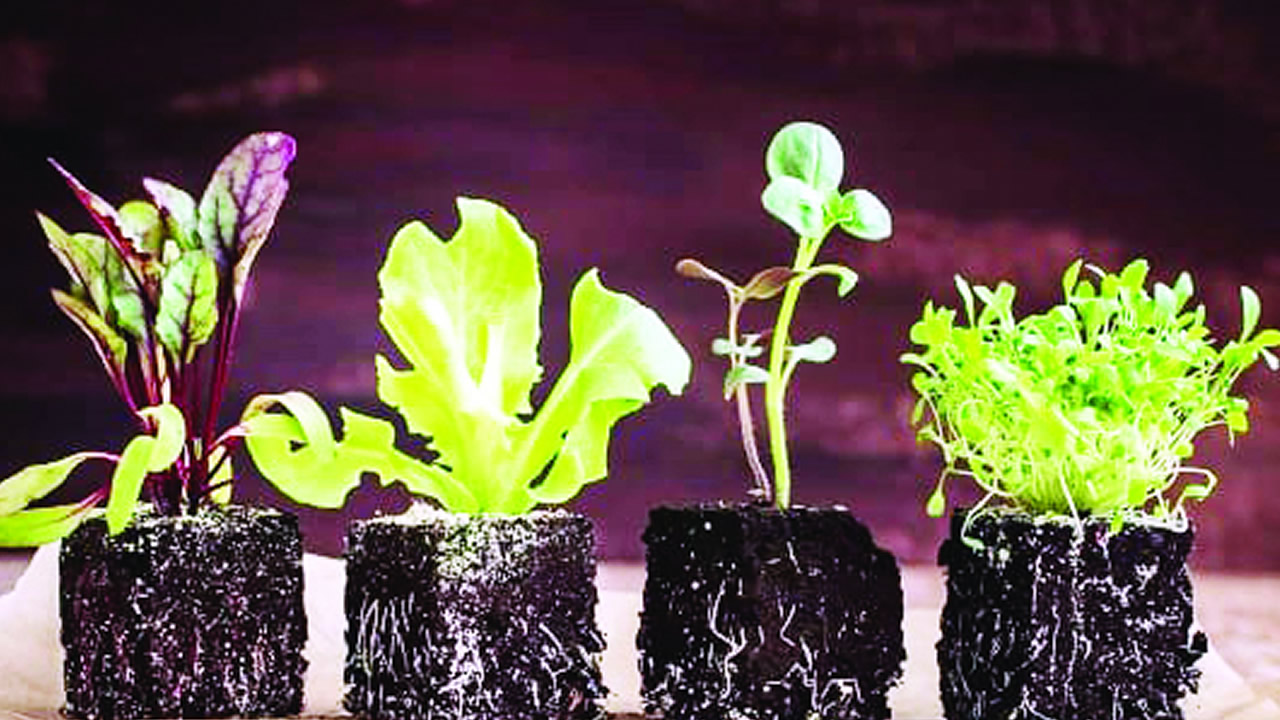
Preparing a seedbed for farms is essential to ensuring a successful crop yield. One of the most common methods for preparing a seedbed is through tillage, which involves using various tools and equipment to break up the soil and create a seedbed ready for planting. Entities like Khuba Traders are always available to assist you in any information you would have on preparing a seedbed.
The purposes and benefits of seedbed preparation
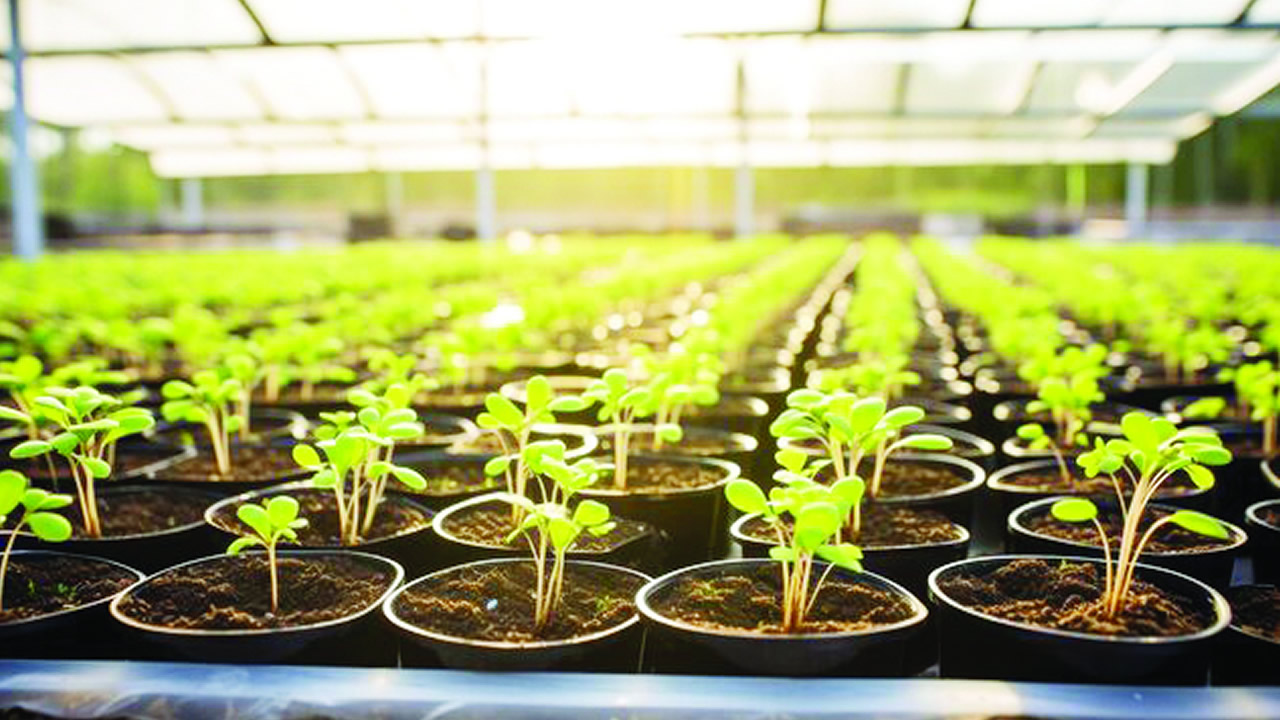
Preparing a seedbed is an essential step in ensuring a successful crop yield. A seedbed is the area of soil where seeds are planted and will grow into crops. Farmers can create an optimal environment for seed germination and growth by preparing a seedbed. Some of the benefits of preparing a seedbed include the following:
Improved soil structure: Tillage helps to break up compacted soil, making it easier for roots to penetrate and allowing for better water and nutrient absorption.
Enhanced seed-to-soil contact: Preparing a seedbed ensures that the seed is in contact with the soil, which is essential for germination.
Weed control: Tillage can help to control weeds by burying weed seeds and disrupting the growth of established weeds.
Increased yield: Seedbed preparation can improve crop yields by creating an ideal environment for germination and growth.
Conservation of soil moisture: Preparing a seedbed can help conserve soil moisture by creating a seedbed free of weeds, which can compete with the crop for moisture.
Overall, preparing a seedbed is an essential step in farming, as it helps create optimal seed growth, leading to a better yield and more profitable harvest.
Let’s discuss the steps to prepare a seedbed:
Step 1: Soil preparation
Preparing a seedbed through tillage is the first step in preparing the soil. This includes removing any debris or rocks that may be present in the soil and tilling the soil to ensure it is loose and easy to work with. It is also important to test the soil for pH levels, as certain crops may require specific pH levels for optimal growth.
Step 2: Adjust soil pH
If the pH level is too low or too high, it can be adjusted by adding lime or sulphur to the soil. It’s also essential to ensure that the soil is free of weeds or pests. This can be done by using a herbicide or insecticide or manually removing any unwanted plants.
Step 3: Equipment selection
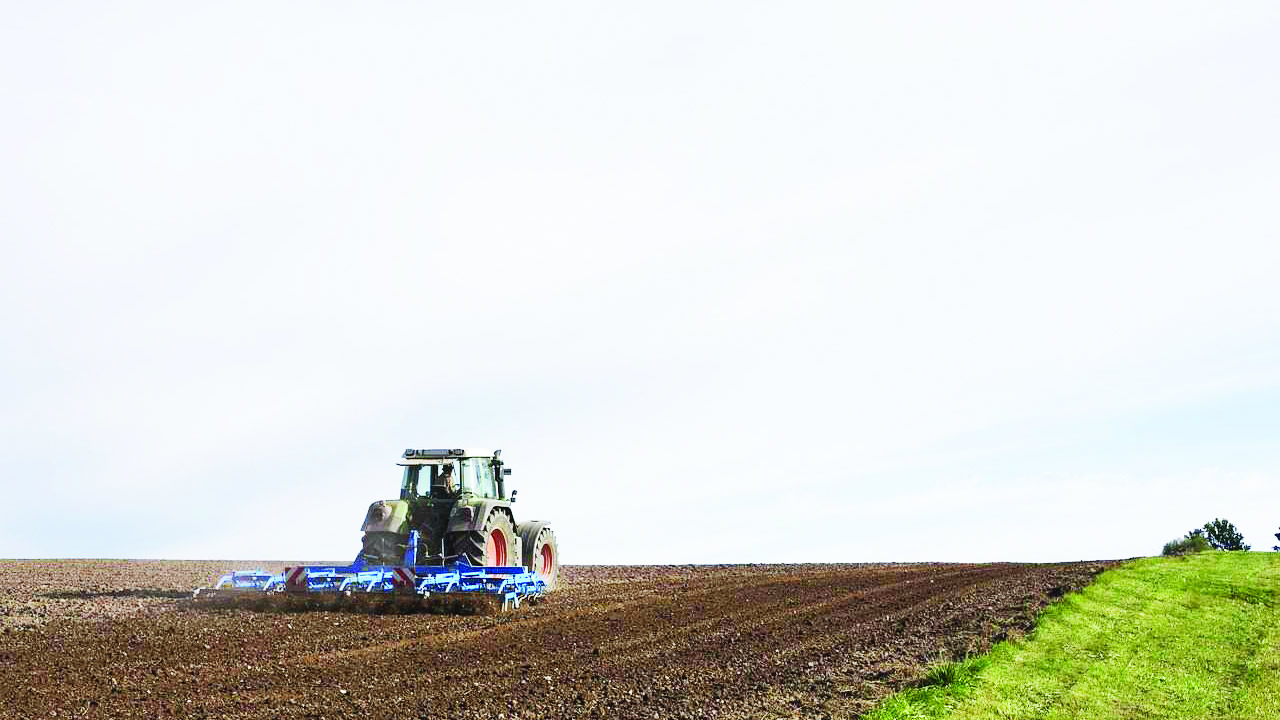
Once the soil is prepared, the next step is to choose the appropriate equipment for tillage. The type of equipment used will depend on the specific crop being grown, as well as the size of the field. A tractor with a proper tillage system may be necessary for larger farms.
Step 4: Begin tillage
Using the equipment selected in the last step, till the soil. The purpose of this step is to create a seedbed that is loose and easy to work with. The type of tillage used will depend on the specific crop and soil conditions. For example, a plough may be necessary for breaking up hard, compacted soil, while a cultivator may be more appropriate for breaking up loose soil.
Step 5: Seed selection
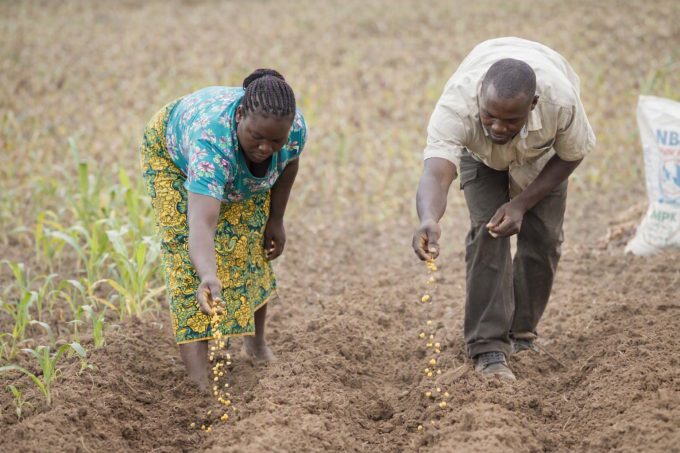
Once the soil is prepared, and the equipment is selected, it’s time to select the seeds for the crop. It’s important to choose seeds that are well-suited to the area’s specific climate and soil conditions. It’s also important to choose seeds that are of high quality, as this will greatly impact the yield of the crop.
Step 6: Timing
It’s important to choose a suitable timing for tillage, depending on the soil type, weather conditions, and crop. For example, it’s better to avoid tilling when the soil is too wet or too dry. Some crops, like soybeans and corn, perform better when the soil is dry before planting, while others, like wheat and barley, perform better when the soil is moist. It’s also important to ensure that the soil has enough time to settle after tillage before planting.
Step 7: Conservation and environment
It’s also important to keep in mind the importance of soil conservation and the protection of the environment while using tillage methods. Maintaining good soil structure and health will ensure sustainable farming practices. Minimising soil erosion and maintaining soil moisture using conservation tillage methods, such as no-till and reduced tillage, can benefit soil health and crop yields.
Preparing a seedbed through tillage is a standard method used by farmers to ensure a successful crop yield. By preparing the soil, choosing the right equipment, selecting the right seeds, timing it correctly and considering the conservation and environment, farmers can set their crops up for success.















Leave a comment