

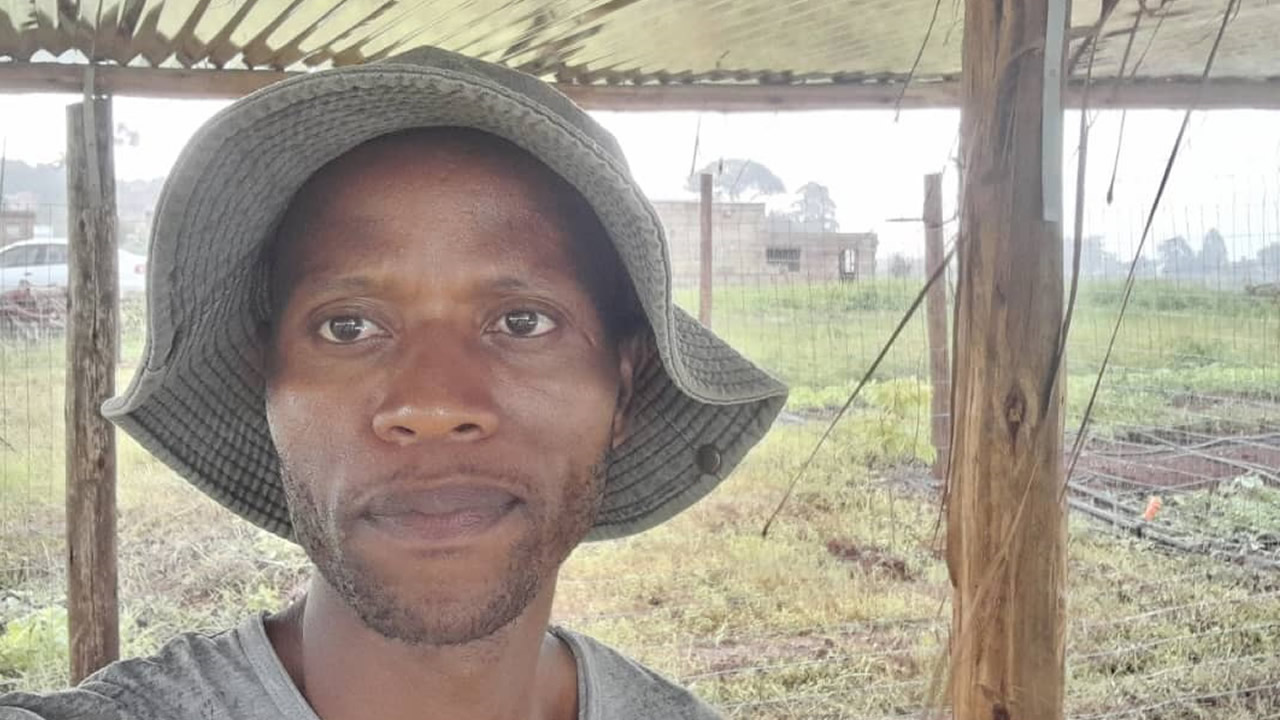
In this week farmer of the week we meet Thabiso Dlamini, a passionate livestock farmer from Lobamba whose love for farming stretches far beyond the chicken coop. Dlamini’s journey into agriculture may not be perfect as he freely admits, but it is rooted in resilience, passion and an unwavering desire to be self-reliant.
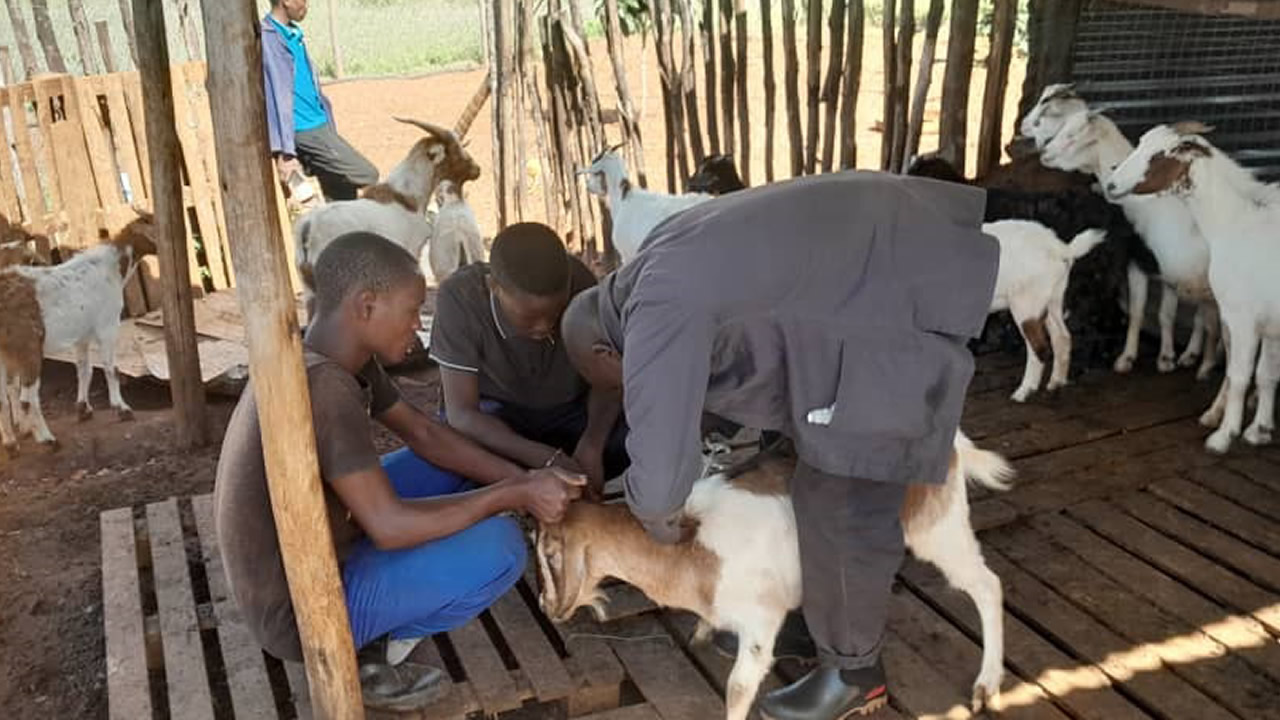
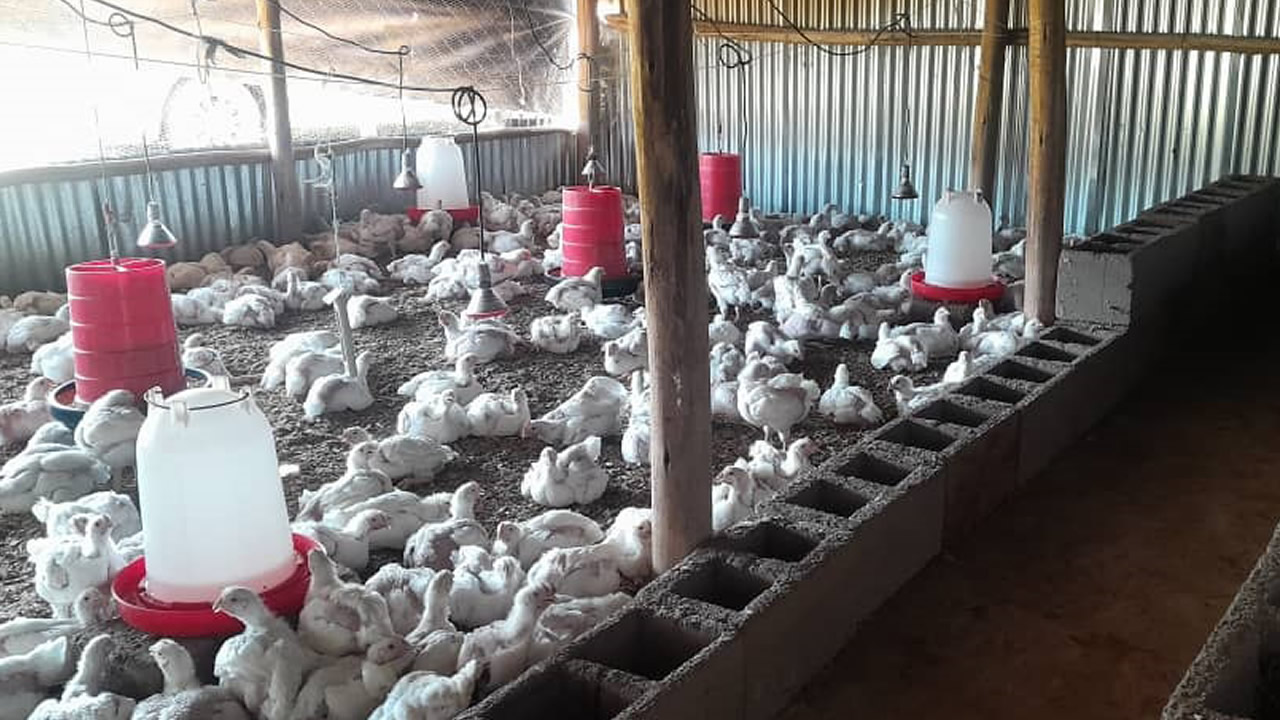
“The journey is not perfect. I will not lie, since broiler chickens are fragile they die easily, sometimes you do not know the cause,” said Dlamini, but he has always chosen to stay passionate because of his love for farming, despite certain setbacks. Dlamini’s daily routine revolves around caring for his broiler chickens, managing feed schedules, maintaining clean coops and ensuring his birds remain healthy and warm, especially during the harsh winter months. His farming journey does not end with poultry. Dlamini also raises goats, rabbits and pigs, building a small but growing mixed-livestock venture that supports his goal of sustainability and food security.
Tackling winter head-on
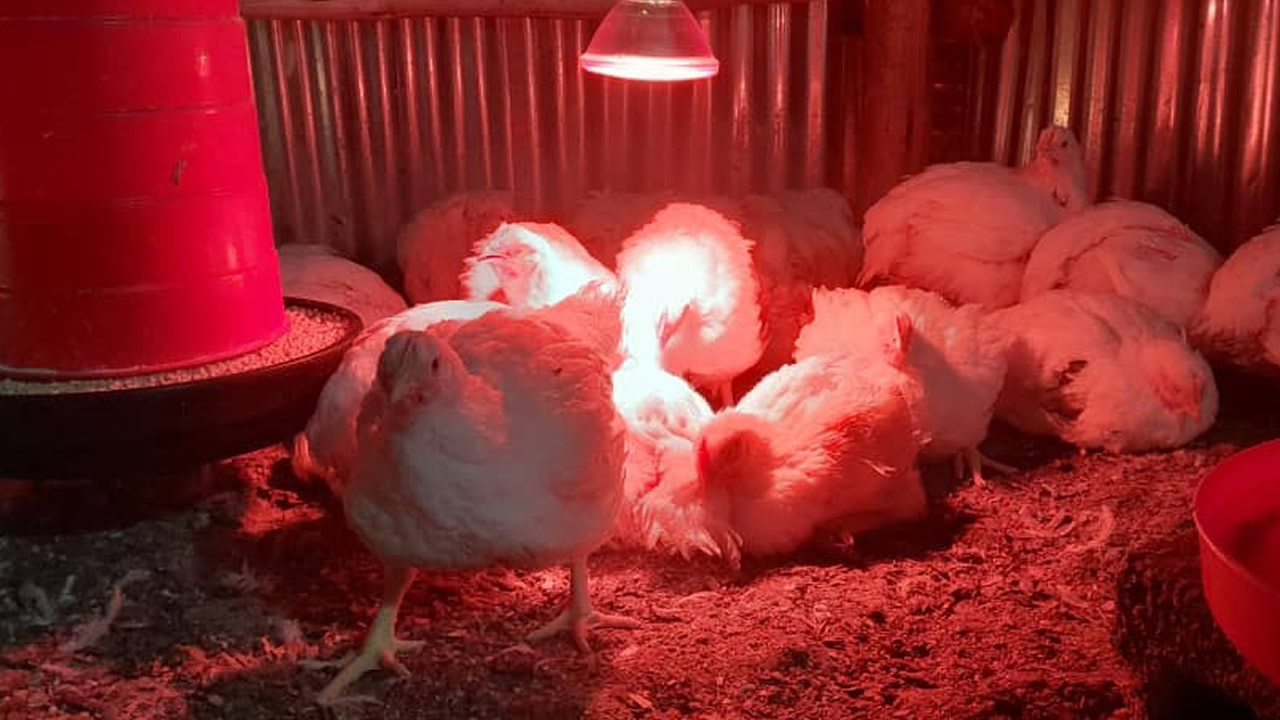
Winters in Lobamba bring a unique set of challenges for poultry farmers and Dlamini has learned how to navigate them through error and shared knowledge. “Chickens really struggle with the cold,” he explained. “You’ll notice they eat more, grow slower and if it’s really bad, some do not survive.” To keep his flock healthy during the colder months, Dlamini implements several key practices which help in maintaining warmth by insulating his coop to reduce heat loss and uses safe heating methods when needed. He also manages water differently compared to summer, since frozen water can quickly become a problem; he regularly checks drinkers or uses heated water containers to ensure the chickens stay hydrated. Additionally Dlamini balances ventilation and makes sure that the animals are prevented from diseases by keeping them clean and watches closely for signs of illness.
Feeding and routine adjustments in winter
Winter brings changes to every part of his routine. Feed is adjusted to include more protein and fat, giving the chickens the extra energy they need to stay warm. Light is added to extend daylight hours, helping maintain egg production. He also adjusts his feeding and watering schedules to the warmest times of day, ensuring his birds are comfortable and active.
Tips for livestock farmers
Thabiso is always eager to share knowledge with others interested in farming. His five top tips for aspiring livestock farmers are:
- Start small- Begin with a small flock to learn the basics and gain experience.
- Invest in housing- A well-insulated; draft-free coop is essential for bird health and productivity.
- Feed right- During winter; add high-energy feed and grains for warmth.
- Bio security matters- Keep your flock safe from diseases with proper hygiene and isolation measures.
- Seek support- Learn from experienced farmers, attend workshops and ask questions.
As someone who juggles chickens, goats, rabbits and pigs, Dlamini’s farm is a true example of diversified, grassroots farming in Eswatini. His journey is a reminder that even when the road is tough and uncertain, passion, knowledge and dedication can lead to growth, self-reliance and a deep sense of purpose.











Leave a comment