

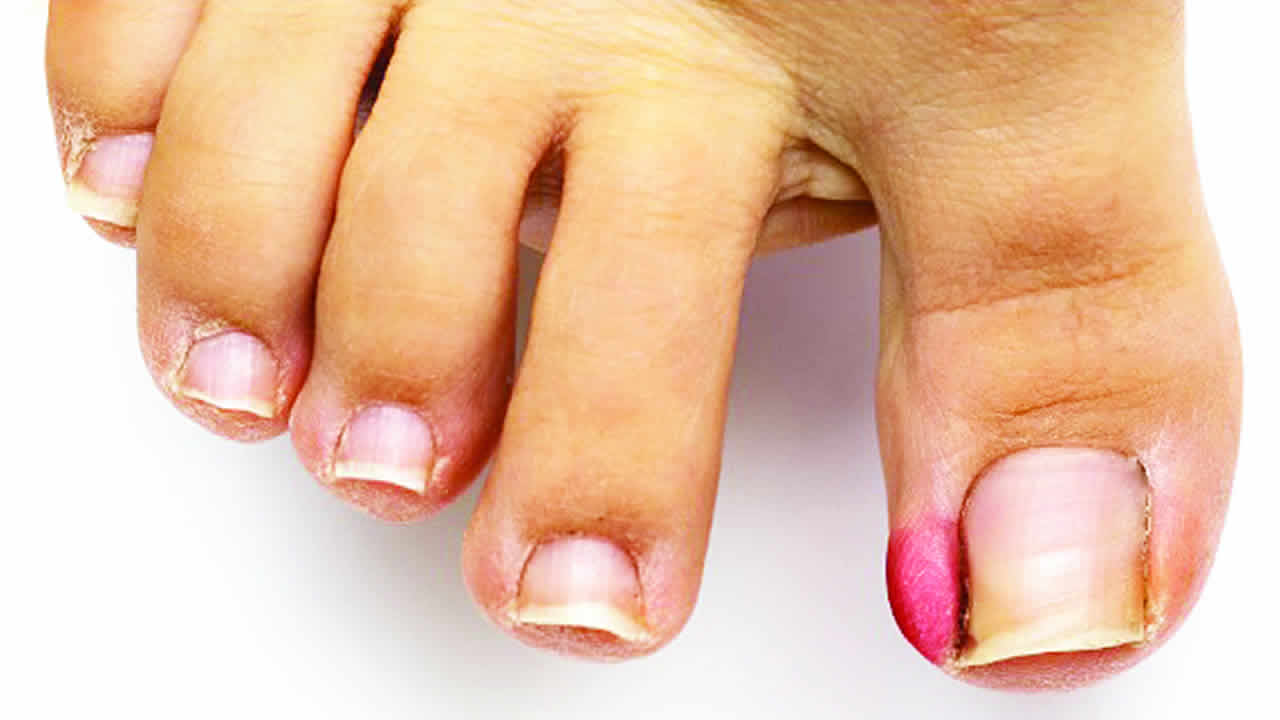
Ingrown toenails, medically referred to as onychocryptosis, are one of the most common yet painful foot conditions affecting people of all ages. This condition occurs when the edge or corner of the toenail grows into the surrounding skin, typically affecting the big toe. If left untreated, an ingrown toenail can lead to serious complications, especially for individuals living with diabetes or other circulatory conditions.
Symptoms of an ingrown toenail include redness, swelling, pain, and tenderness around the affected nail. In more serious cases, an infection may develop, producing pus and increasing discomfort.
Common causes
- Several everyday habits and conditions can lead to the development of ingrown toenails, such as:
- Wearing tight-fitting shoes that crowd the toes
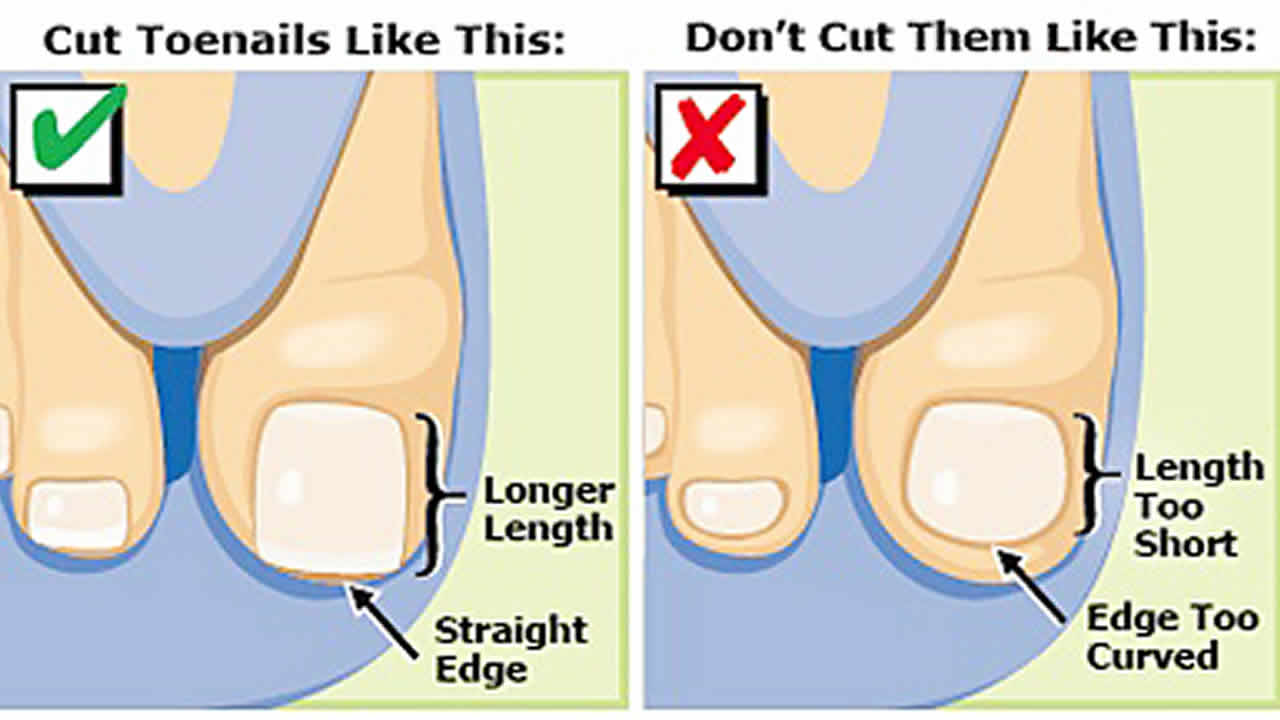
- Cutting toenails too short or in a curved “V” shape rather than straight across
- Toe injuries
- Having naturally curved (pincer or involuted) nails
- Poor nail-cutting techniques and unsuitable footwear are among the top contributors to this painful condition.
Prevention
To avoid developing an ingrown toenail:
- Trim toenails straight across and avoid rounding the edges
- Keep toenails at a moderate length, not shorter than the tip of your toe
- Wear shoes that fit well, with enough space in the toe box
- For those with diabetes or reduced sensation in the feet, regular check-ups with a podiatrist are crucial
Protective footwear, such as steel-toe boots, is also recommended for individuals whose work puts their feet at risk of injury.
Treatment
In mild cases, conservative treatment may include soaking the feet in warm salt water and gently lifting the nail edge with a small piece of cotton. Antibiotic ointments can help prevent or control infection. Open-toed footwear is advisable while healing.
For more severe or recurring cases, a podiatrist may perform a minor surgical procedure to partially or completely remove the affected part of the nail. This can include the use of a chemical or laser to prevent regrowth in that area. Post-procedure care involves dressing the wound, using topical antibiotics, and possibly a course of oral antibiotics if an infection is present.
While ingrown toenails may seem like a small issue, they can become serious if ignored, especially in vulnerable populations. If you suspect an ingrown toenail, consult a podiatrist promptly to relieve pain and protect your overall foot health.





















Leave a comment