

After months of hard work in the fields, many farmers across the country have completed maize harvesting. The next crucial step is shelling, the process of separating the maize kernels from the cobs, which prepares the crop for storage, sale or processing. While it may seem straightforward, choosing the right shelling method can make a big difference in terms of time, labour, grain quality and post-harvest losses. Understanding the various maize shelling methods available is key to making your harvest count.
So, when is the right time to remove maize from the crib to the tank/silo?
Agriculture Officer for Post-Harvest Agronomist Cyril Dlamini mentions that maize is safely stored for a longer period at 12.5 per cent moisture content (MC) which can be detected by use of a moisture meter from the Crop storage section at Malkerns Research Station or the National Maize Corporation depots like Madulini, Ngwempisi, KaLanga, Ntfonjeni and Matsapha.
An ordinary farmer is advised to use a salt test to make sure the grain is dry enough for storage before shelling.
Determining the moisture content
• Moisture meters: This method is quick and accurate (digital meters are common in modern farming).
• Salt test: This method is used in the absence of the moisture metre.
Salt test
Dlamini advices that when the sky is clear, i.e. not even a single cloud in the sky, a farmer should:
• Place four or five basins around the maize crib.
• Take six to eight cobs from different parts of the crib randomly for a representive sample.
• The cobs from the top 50cm must not be used for this because they will appear dry, yet the bottom layers are still more than 12.5 per cent MC.
• Shell all the cobs into the different basins.
• Take an empty bottle of mayonnaise or peanut butter that is transparent, clean and thoroughly dried.
• Fill the bottle to three quarters (¾) full with grain from each basin.
• Add one or two spoon fulls of fine salt depending on the size of the bottle.
• Close the bottle and shake thoroughly to mix the grain with the salt for a minute or two.
• Record your findings for each basin for the behaviour of the salt.
If the salt settles at the bottom of the bottle in all your basins, then your grain is at 12.5 per cent MC or even less and ready for shelling.
Supposing two or three of your basins show that your grain is dry and the rest do not, this is when the salt sticks to the grain and the sides of the bottle; meaning the grain on that part of the crib is not dry and hence not ready for shelling.
“Therefore, the farmer must let the maize dry for at least two to three weeks and then re-do the salt test until all basins reflect a dry produce,” shared Dlamini.
Recommended shelling methods
He went on to add that once the maize has be found to be dry enough, (moisture content of less than 12.5 per cent) a farmer can choose the most efficient and reliable method from the following methods:
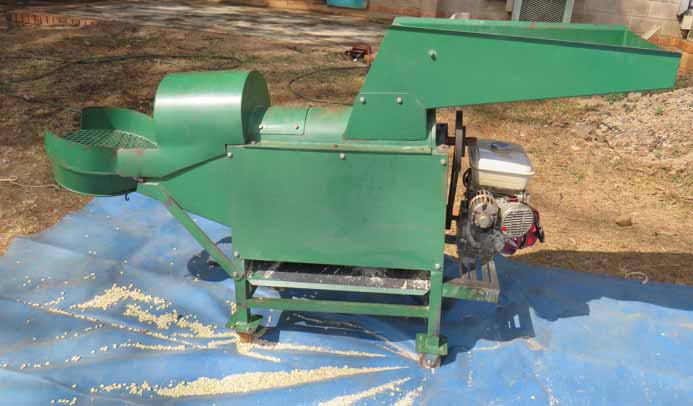
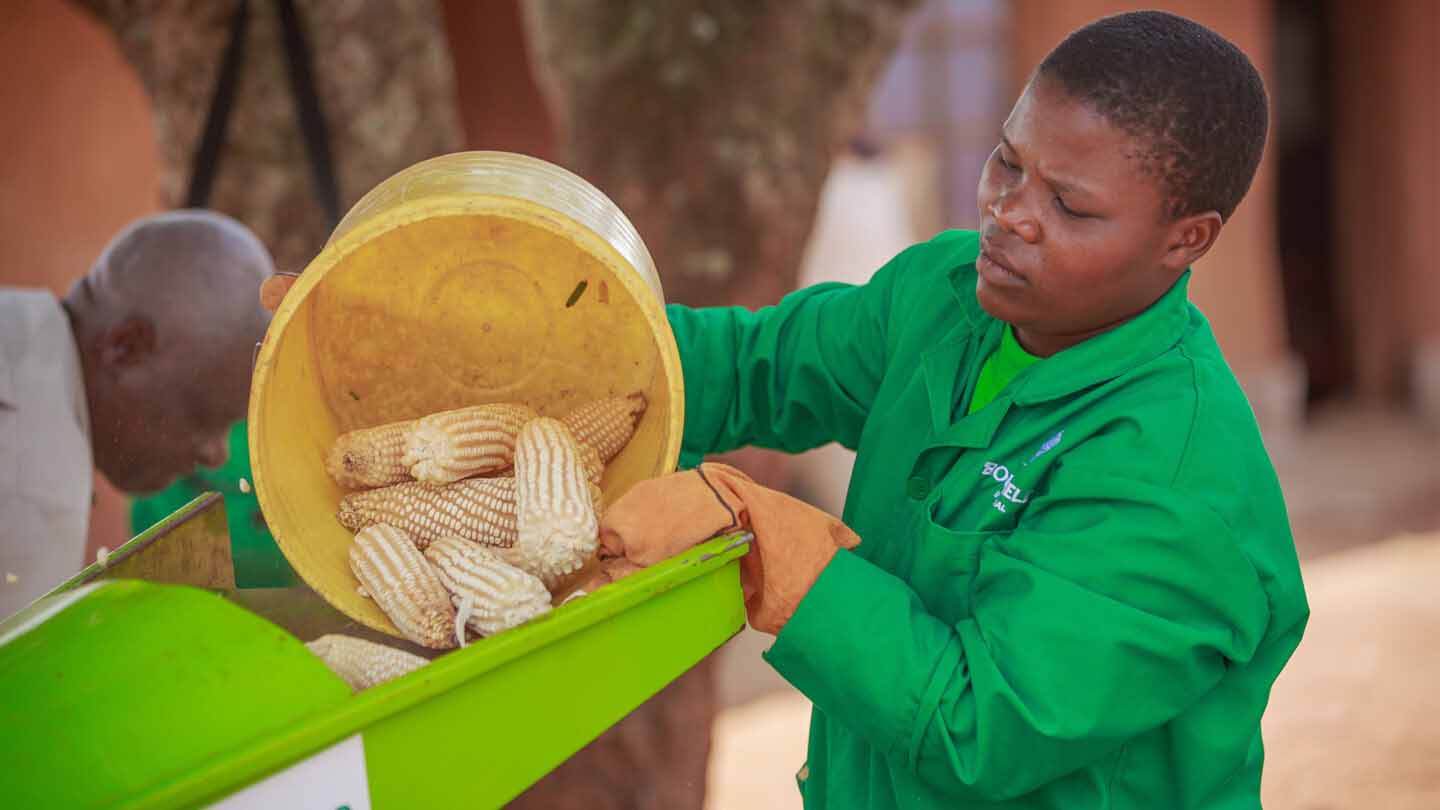
• Shelling machines: When using shelling machines, the engine revs must not be too high for this causes the grain to crack and be susceptible to secondary pests.
• Hand shellers
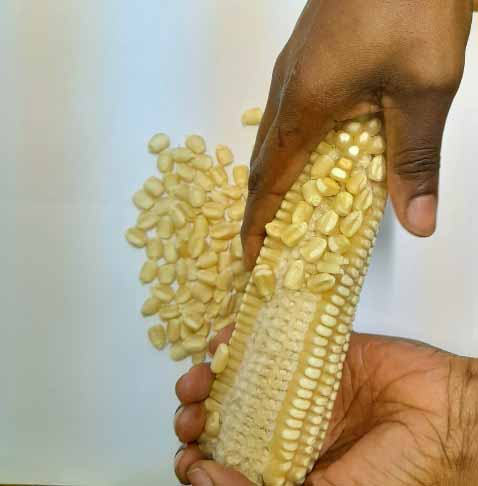
• Use of hands: Though time consuming; it is one of the best methods that leave the grain intact.
• How small-scale farmers can choose the right maize shelling method
Choosing the right maize shelling method depends on a number of factors, including the size of harvest, available resources, availability of labour and cost of shelling the grain.
“More importantly, farmers should choose methods that minimise post-harvest losses i.e. avoid grain spillage during shelling, avoid mechanical damage or physical damage to grain,” he said.
Size of harvest
• Small harvest – Less than 20 bags of 50kg unshelled maize
• Medium Harvest- between 20-100bags of 50kg unshelled maize
• Large harvest- More than 100 bags of 50kg unshelled maize
Potential risks of poor shelling techniques and how farmers can avoid grain damage and loss during the process:
“The aim of shelling maize is to remove the maize grain from the cob without causing any injury or breaking the grain, to maintain the grain quality and improve the storage life of the grain,” said Dlamini.
Below he shares potential risks of poor shelling techniques:
• Improper separation of grains: This may results in the contamination of grain with foreign matter.
• Broken grains by repeated threshing: This may cause grain to be vulnerable to pest and mould infestation resulting to moulding and discolouration of grain (quality losses).
• Scattering of grains: May result to post-harvest losses (physical losses).
• Improperly cleaned grains: Yielding losses during storage and milling causes poor maize quality.




















Leave a comment