

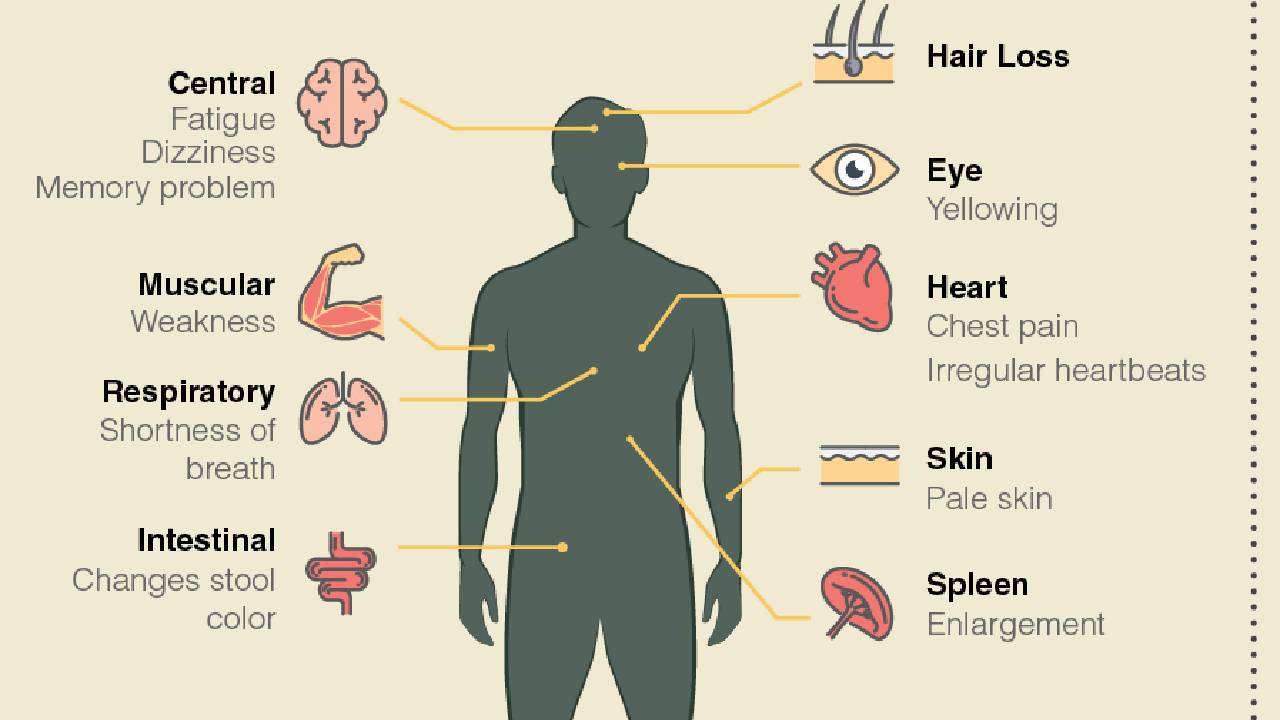
FEELING unusually tired or noticing changes in your skin or nails? You might be ignoring signs of a condition that affects millions globally; iron deficiency anaemia (IDA).
Despite being the most common nutritional deficiency in the world, it often goes unnoticed until symptoms become harder to ignore.
“If your level of red blood cells is lower than normal, you could be suffering from anaemia,” says Dr Jon Patricios, a specialist in sports medicine. Iron is essential for producing haemoglobin, the protein in red blood cells that carries oxygen throughout your body. Without enough iron, your body struggles to function properly.
Dr Ndabenhle Dlamini, General Practitioner, added: “Many people think anaemia only causes tired-ness, but the truth is it affects every part of your health, from your heart to your hair.” He explains that anaemia can result from poor iron intake, heavy menstrual bleeding, internal bleeding (such as from the stomach) or increased demand during pregnancy or growth spurts.
Here are 10 signs you could be anaemic:
• Exhaustion and weakness: Persistent fatigue, even after rest, is one of the first red flags of IDA.
• Pale skin: A noticeable loss of colour, particularly in the face, inner eyelids or palms.
• Brittle nails: Nails that chip, crack or develop ridges could point to iron depletion.
• Chest pain: In severe cases, the heart works harder to carry oxygen, leading to discomfort.
• Irregular or fast heartbeat: Also known as palpitations, your heart may beat faster to compensate for low oxygen.
• Shortness of breath: You may feel winded even after mild activity, like walking or climbing stairs.
• Dizziness or headaches: Less oxygen to the brain can lead to frequent dizzy spells or head-aches.
• Cold hands and feet: Poor circulation due to anaemia may make extremities feel unusually cold or tingly.
• Sore or swollen tongue: Some people develop inflammation or smoothness of the tongue, making eating uncomfortable.
• Unusual cravings: A lesser-known symptom called pica includes cravings for ice, dirt or starch.
Dlamini advised that: “If you experience a combination of these symptoms, don’t guess, just get tested. A blood test can quickly confirm iron levels and help determine the cause.”
Can anaemia be prevented?
Yes, with a balanced diet. The doctor recommended including iron-rich foods in your meals:
• Red meat (especially liver and beef), shellfish and to a lesser extent, poultry and pork
• Beans, lentils, spinach, and other dark leafy greens
• Iron-fortified cereals and bread.
Still, in today’s fast-paced world, even a good diet may not be enough. “Many patients are surprised to learn they need a supplement,” said Dr Dlamini. “Especially busy professionals or young women with heavy periods.” Listen to your body. If you notice any of these signs, consult your doctor. Anaemia is common but very treatable when caught early.
















Leave a comment