
In a landmark move towards transforming Eswatini’s agricultural landscape, PELUM Eswatini is proud to announce the inaugural Eswatini Sustainable Agriculture Indaba, set to take place at the Mavuso Exhibition and Trade Centre on September 23and 24, 2025.
A NATION AT A CROSSROADS
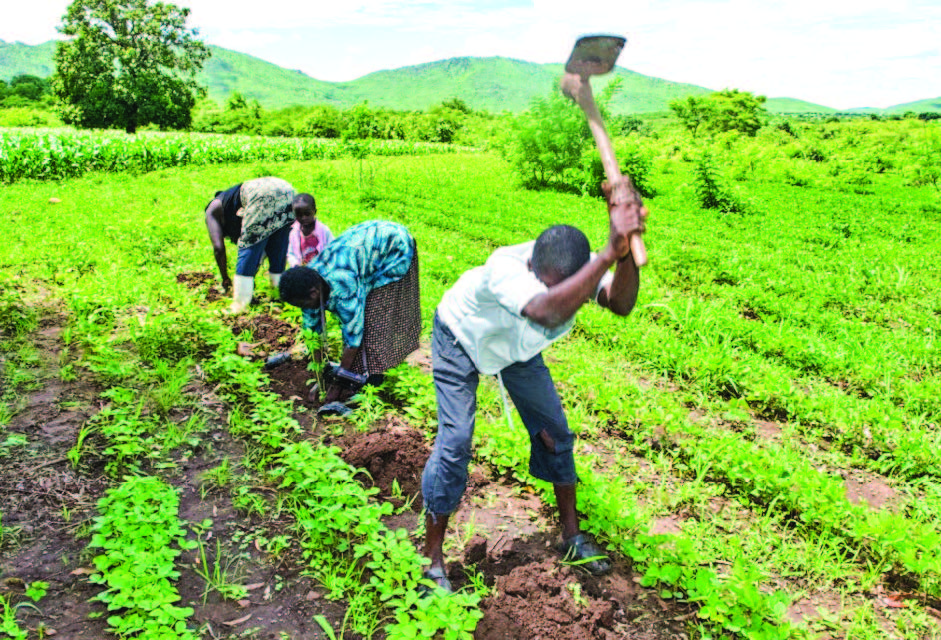
Eswatini’s agricultural sector is under increasing pressure from climate change, land degradation, biodiversity loss and poor market ecosystem. Droughts, floods and erratic weather patterns have disrupted productivity, while over-reliance on monocultures and poor infrastructure continue to hinder rural development and food security.
OBJECTIVES OF THE INDABA
Identify actionable solutions: Participatory sessions for co-creation of strategies that advances sustainable agriculture.
Create multi-stakeholder collaboration: Unite policymakers, farmers, agribusinesses, academia, civil society and international stakeholders to drive collective impact.
Promote indigenous seeds and food, inclusive agro-ecological and climate-just best practices and innovations for seeds and food sovereignty and climate justice.
Facilitate policy discussions to identify gaps and opportunities in enabling socially just and ecologically sound food systems.
Theme: ‘Agroecology for Food Systems Resilience and Climate Justice’
The symposium is a vibrant platform for Eswatini’s agriculture stakeholders to engage, exchange ideas and identify actionable solutions that support just transformation of Eswatini’s food systems addressing challenges faced by farmers and contributing to national strategies on climate adaptation, rural development and food sovereignty.
The indaba thematic areas are centred around:
Farmer managed seed systems for seeds and food sovereignty and agroecology as a model for food systems transformation and climate action.
Learning from the best
The event is set to facilitate the exchange of experience with over 14 African countries, including Uganda, Kenya, Tanzania, Ethiopia, Rwanda, Zambia, Malawi, Zimbabwe, South Africa, Lesotho, Botswana and Democratic Republic of Congo, from where the PELUM Association has been advancing agroecological food systems for the past 30 years.
HIGHLIGHTS OF THE EVENT
Day 1: Participatory workshops and technical discussion: Deep dives into food systems context and discuss food systems transformation models and policy enablers and shaping a forward thinking in food systems transitions.
PELUM to host Sustainable Agriculture Indaba
By Mthobisi Buthelezi
THE Eswatini Agriculture Development Fund (EADF) hosted an inception workshop last week, where the third cohort of beneficiaries which consisted 16 farmers were to receive a combined E21 million in loans to boost their agricultural enterprises.
Since its launch, the EADF has disbursed a total of E32 million, supporting agribusiness and transforming the lives of many emaSwati. Speaking at the inception, Minister for Agriculture Mandla Tshawuka expreesed satisfaction with the growing interest shown by emaSwati towards the fund. “We are pleased with the overwhelming interest that emaSwati have shown in requesting support from the fund. Which shows that emaSwati want to work. It also shows the significance of targeted funding in the development of the agricultural sector,” said the minister.
The Ministry of Agriculture’s current strategy has three main goals;
i) Food sovereignty
ii) Wealth creation
iii) Service delivery and decentralisation
Tshawuka mentioned that the EADF
Day 2: Indigenous seed and food festival: Farmers and seed guardians will showcase Eswatini’s rich heritage of indigenous crops and culinary traditions.
Exhibitions and product showcases: Agro-enterprises, NGOs and research institutions will present cutting-edge technologies and sustainable solutions.
Celebrating PELUM Association 30 years and 10 years of Eswatini chapter in supporting ecological land use management in Africa.
A call to action
The first indaba is more than an event, it’s a movement towards a just and resilient agricultural future that meaningfully contributes to national development priorities and international commitments for seeds and food sovereignty, agro biodiversity, climate justice and social inclusion (e.g., SDGs, CAADP and National Adaptation Plans).
PELUM invites all stakeholders to be part of this transformative journey. Together, we can sow the seeds of sustainability and harvest a future of resilience and justice. For more information and updates; contact 2410 2998. You can also visit PELUM offices located along Mvangati Street, Checkers in Mbabane.


‘Cat’ Matlala ID saga: Home Affairs official dismissed
MBABANE – Nonhlanhla Malambe, the Home Affairs official found guilty over the issuance of Eswatini national documents to Vusimuzi ‘Cat’ Matlala, has been...

MaMkhize absent as Eswatini team suffer 2nd defeat
NHLANGANO – Mbabane Highlanders AM suffered another painful defeat without President Shauwn ‘MaMkhize’ Mkhize in the stands, as Nsingizini Hotspurs edged them 1-0...

Ex-magistrate, another allegedly disobey court orders
MBABANE – Jail time has been sought for former Magistrate Dumisani Magagula and an individual with whom he is alleged to have disobeyed...

10-litre container of drugs allegedly found with clinic guard
VUVULANE – Community members reportedly recovered a 10-litre container of medication from a security guard at Vuvulane Rural Clinic, raising concerns of theft....

Indlovukazi arrives in UAE for official visit
Her Majesty Indlovukazi has arrived safely in the United Arab Emirates (UAE) where she is on an official visit. Her Majesty arrived around...

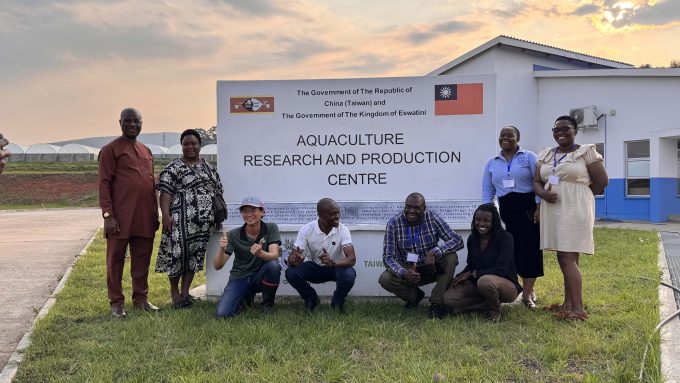
Eswatini targets higher local fish production through aquaculture development
Eswatini is stepping up efforts to reduce its dependence on imported fish...
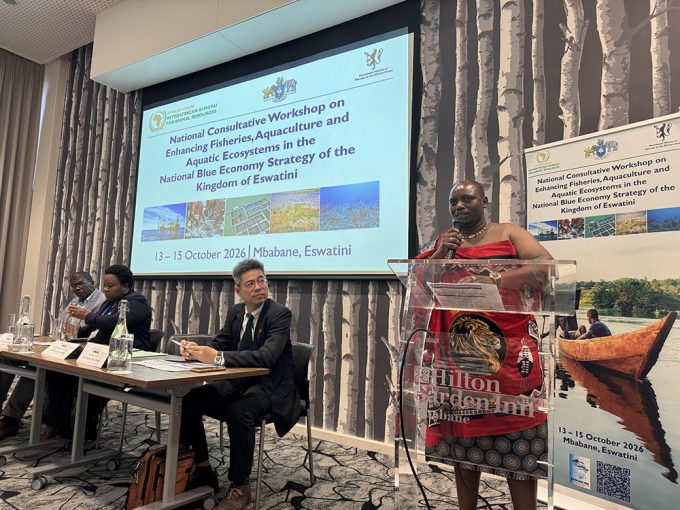
Eswatini urged to unlock economic potential of its waters
Eswatiniis being urged to look beyond its fields and unlock the economic...
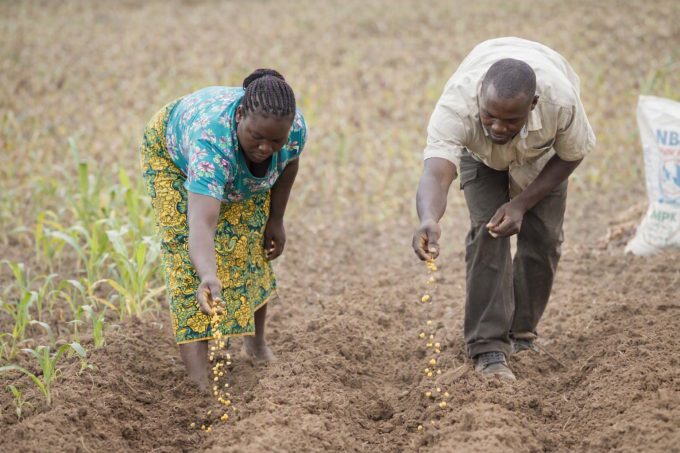
Importance of seed selection for suitability
… in agro-ecological zones By Mthobisi Buthelezi Choosing the right seed and...
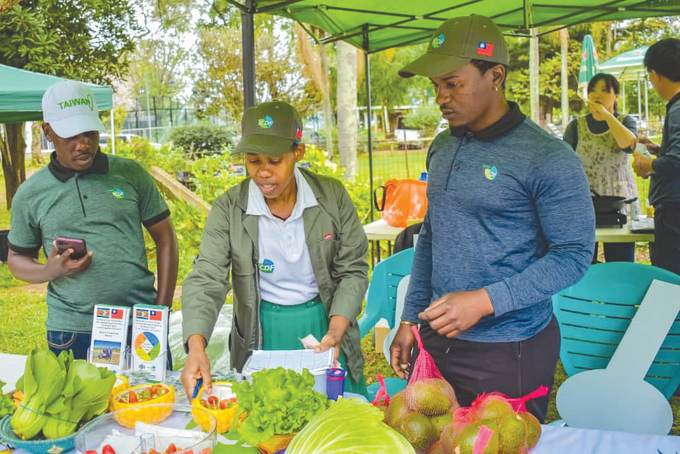
Locals get taste of Taiwanese produce
The Emerging Fruit Tree Project, in partnership with Hawane Co-operative, participated at...






Leave a comment