


As the dry winter gives way to the promise of spring, it is time for Eswatini farmers to turn their attention to the soil. After a long, dormant season, the land needs our care to thrive once again. “The way we manage our fields now, with a focus on fertility, moisture and organic matter, will lay the groundwork for a productive harvest. Think of it not just as feeding your plants, but as nur¬turing a living, breathing system that gives back to you,” mentions Soil Science and Plant Nutrition Research Officer, Bongani Mvubu in the Department of Agricultural Research and Specialist Services in the Ministry of Agriculture. Below he shares a few pointers to help you get your soil ready:
1. Fertility checks after winter: Winter often leaves soils depleted, compacted or imbalanced. “Before any planting begins, farmers should prioritise fer¬tility checks. The first step is to conduct a soil test through accredited laboratories or extension services from the Ministry of Agriculture in Malkerns. This helps determine the levels of key nutrients nitrogen (N), phosphorus (P), potassium (K) as well as soil pH, organic matter and micronutrients,” advised Mvubu. They check for the following:
• Soil pH balance: Soils that are too acidic (below pH 5.5) may require lime/cattle manure application to unlock nutrients.
• Nutrient deficiencies: Fertility checks identify shortages that can be corrected with targeted inputs, avoiding wastage and reducing costs.
• Organic matter content: This is crucial for soil structure, microbial activity and water retention. Farmers should measure organic matter loss over winter and plan to replenish it.
He mentions that by carrying out these checks, farmers ensure that the soil is in optimal condition for seed germination and strong root development.
2. Working cover crops into the soil: Mvubu says that committed farmers wisely plant cover crops such as sunhemp, mucuna, lablab, during winter to protect and replenish the soil. “As spring approaches, these cover crops should be incorporated into the soil at the right stage (during flowering) for maximum benefit,” he said.
Timing: Incorporate before the cover crop sets seed, while still green and rich in nutrients.
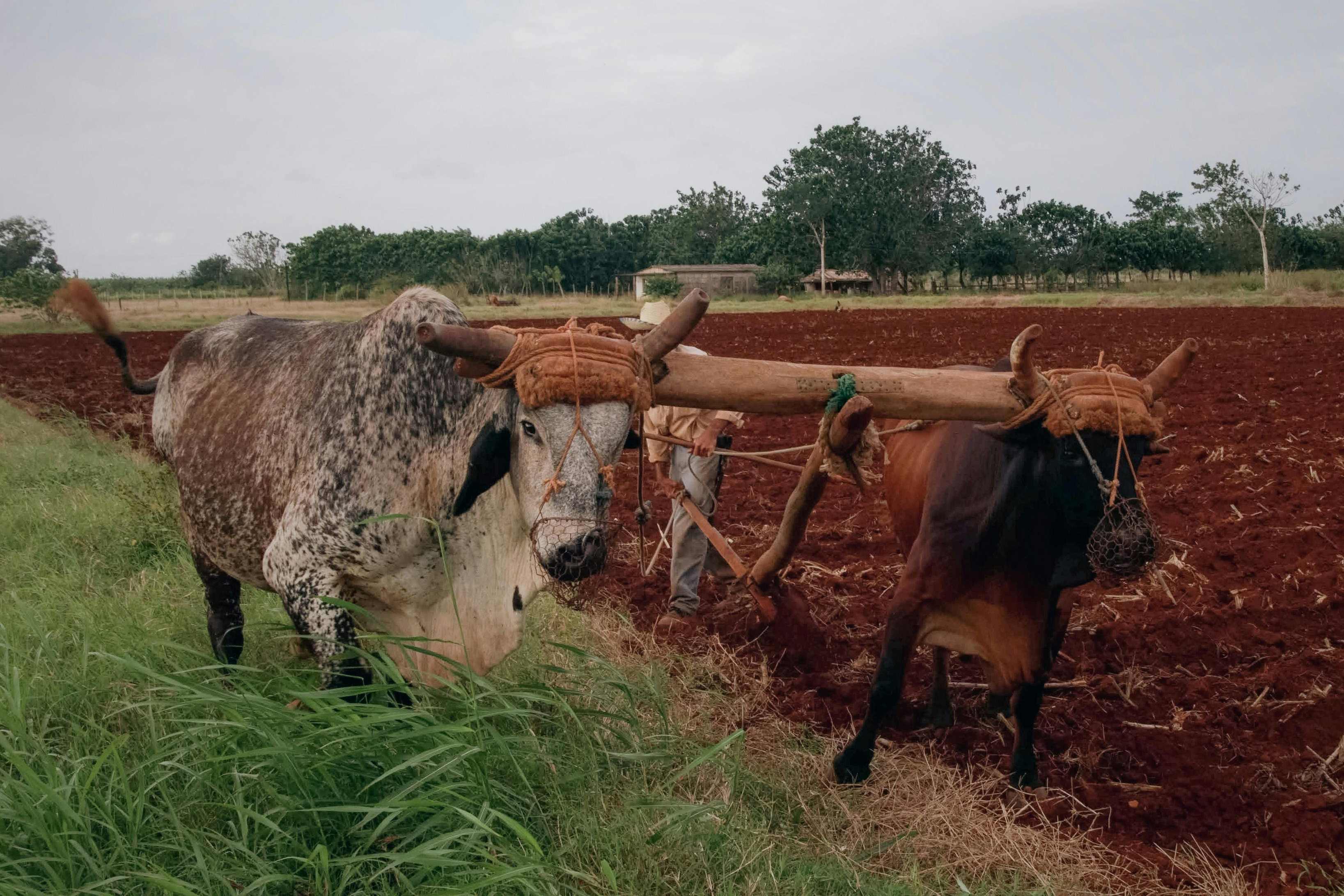
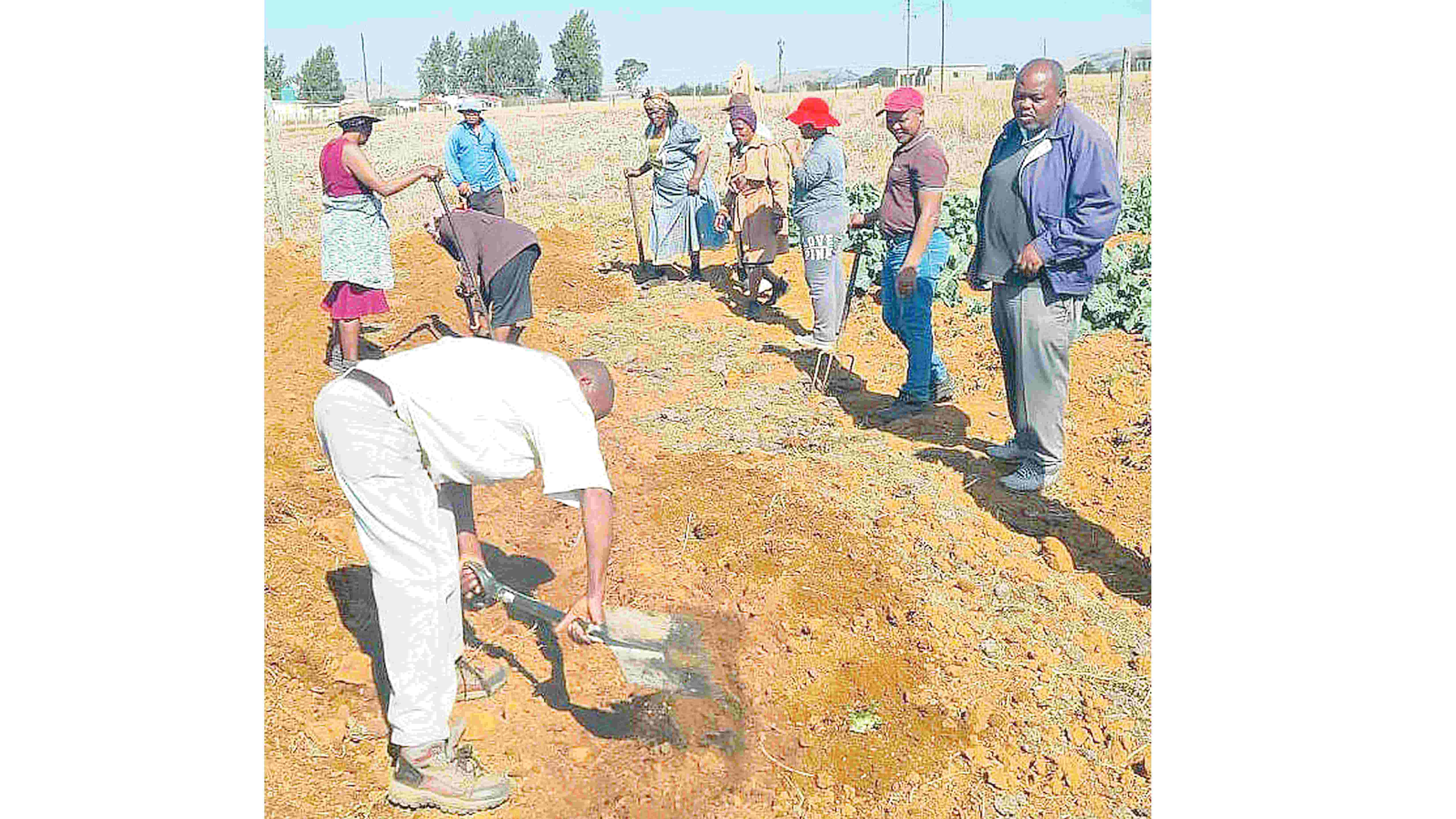
• Methods: Small-scale farmers can use hand hoes or animal-drawn implements, while larger operations may rely on mechanised ploughing or rolling, the goal is to mix that valuable organic matter into the top layer of your soil.
• Benefits: Cover crops add organic matter, enhance soil structure and increase nitrogen (especially legumes, which fix nitrogen naturally). They also improve moisture retention, helping soils hold water during the hotter months.
Importantly, Mvubu says cover crops suppress weeds and reduce erosion; ensuring soils remain productive for the season ahead.
3. Balancing natural amendments with commercial fertilisers: “As farmers plan their spring input strategies, a balance must be struck between natural amendments (such as compost, manure or slurry) and commercial fertilisers,” he cautions.
• Natural amendments; (like compost, cattle and goat manures from none feedlot setup) are the long-term solutions since they enrich the soil with organic matter, improve microbial diversity and boost long-term fertility. They also release nutrients slowly, reducing leaching.
• Commercial fertilisers; On the other hand, provide a rapid nutrient boost, particularly important during the early growth stages of crops.
He mentions that the best practice is an integrated soil fertility management (ISFM) approach. “This means using organic amendments to improve soil health and structure, while supplementing with small, targeted doses of commercial fertilisers to meet immediate crop needs. This balance ensures both short-term productivity and long-term soil sustainability,” added Mvubu.
4. Identifying and correcting soil weaknesses: He went on to share that winter stress, such as cold temperatures, reduced biological activity, or erosion, can weaken soils. Mvubu says farmers should look out for the following warning signs:
• Poor soil structure: Hard or compacted soils that make it difficult for roots to penetrate.
• Crusting or erosion: Thin top soil layers indicate loss of fertility and organic matter.
• Low earthworm or microbial activity: A sign of declining soil health.
• Yellowing winter crops or stunted growth: Possible nutrient deficiency.
To correct these issues, farmers can:
• Break up compacted layers through light tillage or deep ripping where appropriate.
• Apply compost, manure, or mulch to restore organic matter.
• Plant legumes to revitalise mi¬crobial life.
• Use contour ridges and mulching to control erosion and improve water retention.
By addressing these weaknesses early, farmers give their soils a strong foundation for successful planting. “Soil is a living resource and how farmers manage it now determines harvest success later. Through careful fertility checks, proper use of cover crops, a balanced approach to amendments and early detection of soil weakness, farmers can ensure that their fields are ready for the challenges of the new season. Ultimately, these practices not only boost yields, but also safeguard the land for future generations. Always remember that ‘The soil is our greatest asset, help conserve it’,” he concluded.




















Leave a comment