

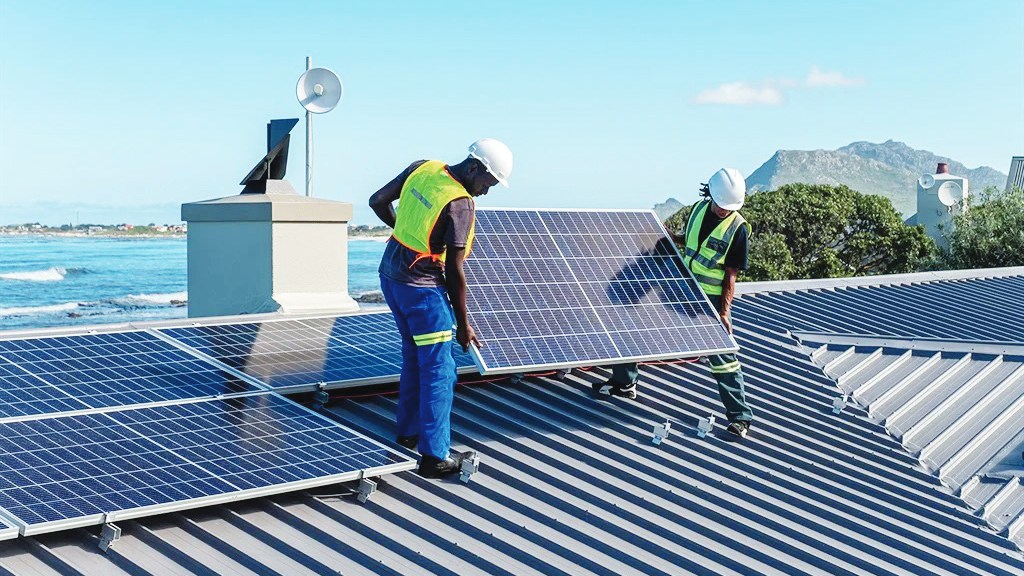
The growing demand for solar power is no accident, it’s a response to a very real and pressing challenge. Across the region, frequent load-shedding has become part of daily life, disrupting businesses, learning and households alike. With unreliable supply, many emaSwati are looking for energy solutions that are dependable, affordable and sustainable and solar is emerging as the answer.
One of the main reasons people are turning to solar is independence. By harnessing the sun’s abundant energy, households and companies reduce their reliance on the national grid and protect themselves from sudden blackouts. Solar also offers long-term savings; while the initial installation may seem costly, the reduction in monthly electricity bills and the possibility of selling excess power back to the grid make it a smart investment.
Environmental benefits are another strong pull. Solar power is clean, renewable and helps cut carbon emissions, an important step as the world faces climate change. More families are also realising that solar can power everything from water heating to household lighting and even agricultural pumps.
As electricity costs rise and outages become more frequent, many homeowners are turning to solar power for a more reliable and eco-friendly energy solution. One of the most popular options on the market today is the 5kVA solar system and yes, it can do more than just power your lights.
But what exactly can a 5kVA system handle? And how does it all work?
A 5kVA system is powerful enough to run essential household appliances, but it does have its limits – especially if you’re running everything at once. Here’s a breakdown of what you can reasonably expect it to support:
- Lights: A 5kVA system can comfortably power all your home’s lights, both energy-saving and standard bulbs.
- Fridge: Refrigerators typically run between 100–300 watts and a 5kVA system can handle that with ease, including the occasional power spikes when the compressor kicks in.
- Microwave: Yes, but ideally for short-term use. Microwaves draw a lot of power (up to 1200W or more), so use them wisely within your energy budget.
- Washing machine: Yes, especially energy-efficient front-loaders. Avoid using during peak consumption times (e.g., when the stove or microwave is on).
- Geyser: Not ideal. Electric geysers are heavy power users, often drawing 3kW or more. It’s recommended to switch to a solar geyser or gas geyser to avoid overwhelming the system.
- Stove: Most electric stoves are not compatible with a 5kVA system due to high wattage requirements (can reach 4kW+). Consider using gas for cooking.
How does an inverter system work?
Here’s how it flows in simple steps:
1. Solar panels absorb sunlight and create DC (direct current) electricity.
2. That electricity goes to the inverter, which converts it to AC electricity (alternating current) — the kind your home appliances use.
3. Extra power gets stored in batteries for use at night or during cloudy days.
4. If there’s not enough sun and your battery runs low, the system can be set up to draw from the grid or a generator if needed.
So, even when the sun sets, your fridge, lights and essentials can still run, completely off-grid if designed correctly.
Get powered up by Ecosy energy
Want to get started? Ecosy Energy is now offering a fully-installed 5kVA solar system for just E76 650. This package includes the inverter, solar panels, a complete setup to help you start saving on your electricity bills and gain energy independence. Call them today at 7684 0484. A brighter, self-powered future is just one call away.

















Leave a comment