

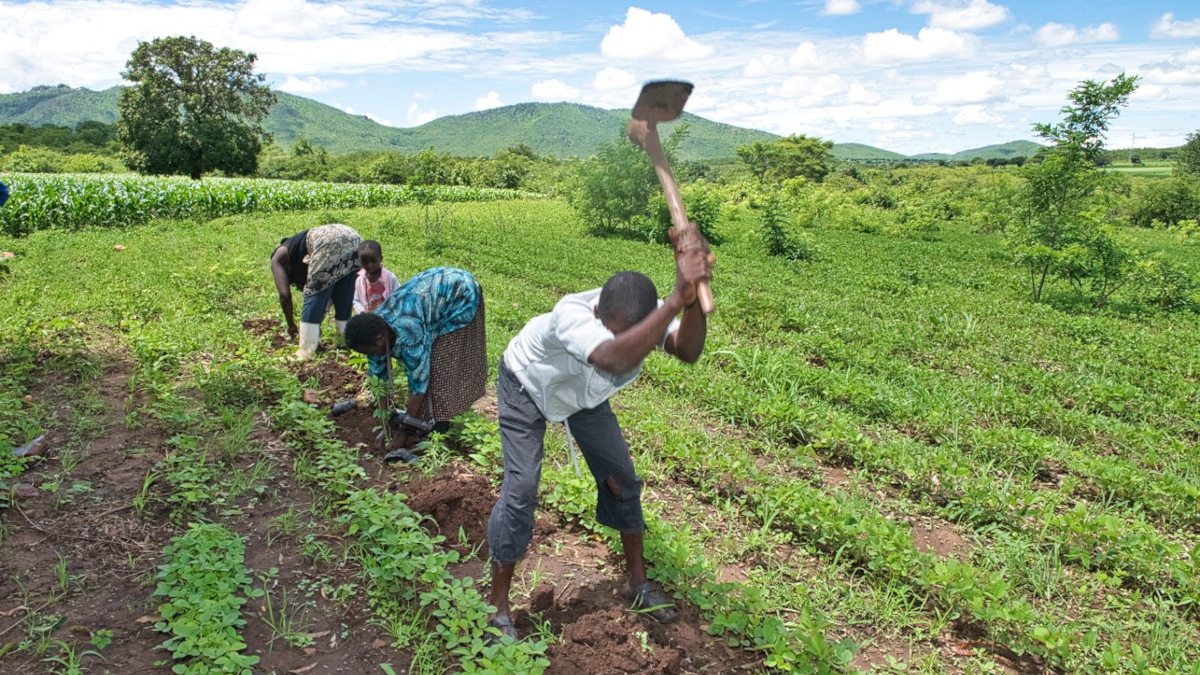
In Eswatini, agriculture remains the heartbeat of rural livelihoods, supporting nearly 70 per cent of the population and contributing approximately 7 per cent to the national GDP (World Bank, 2024). Yet, despite its strategic importance, the sector has underperformed in recent years, with its share of GDP declining from 12.3 per cent in 2000 to 8.1 per cent in 2023 (AfDB, 2024), while poverty levels persist at 58.9 per cent. Climate change has intensified droughts, floods and unpredictable weather patterns, further weakening agricultural productivity. Land degradation, biodiversity loss and limited market access continue to challenge small-scale farmers, leaving many vulnerable and food insecure.
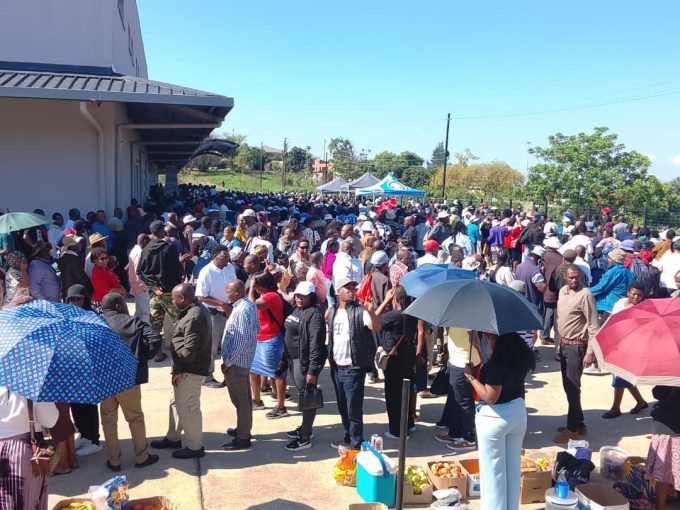
Against this backdrop, the 1st Eswatini Sustainable Agriculture Indaba emerges as a timely and transformative platform. It will be hosted by PELUM Eswatini, in collaboration with PELUM regional secretariat, on September 23–24, 2025, at Mavuso Exhibition and Trade Centre with partners: Ministry of Agriculture, TAVI, EU, Civil Society Organisations, Eswatini Environment Authority and the 20 PELUM member-organisations. Bringing together policymakers, civil society, academia, private sector actors and farming communities, the indaba will foster dialogue and collaboration to build resilient food systems and influence policy frameworks that support climate justice and food sovereignty.
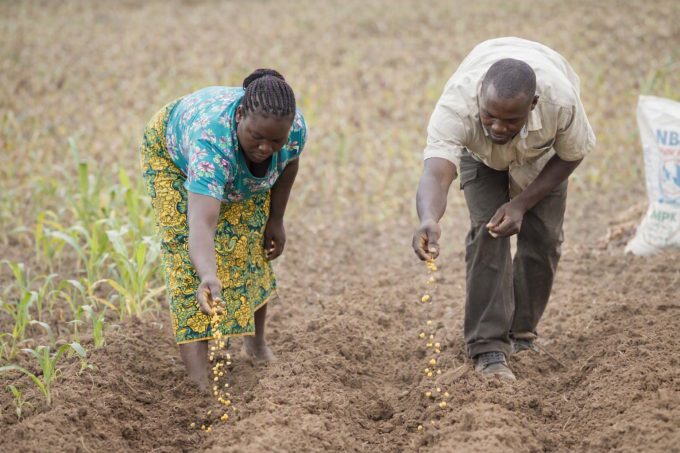
For small-scale farmers, the indaba offers more than just conversation, it presents opportunity. Through thematic areas such as farmer-managed seed systems, agroecology for climate action and biodiversity and youth and women inclusion, farmers will gain access to knowledge, innovations and networks that can improve their productivity and sustainability.
By promoting indigenous seeds and agroecological practices, the indaba champions farming methods that are low-cost, climate-resilient and environmentally sound, perfectly suited for smallholder contexts.
Moreover, the indaba will address critical gaps in policy and infrastructure, advocating for enabling environments where farmers can thrive economically.
With 14 PELUM Country Chapters from across Africa participating and selected regional stakeholders including SACU and CCARDESA, Eswatini stands to benefit from regional insights and shared strategies that have worked elsewhere. The event will also spotlight market access challenges and explore solutions to integrate small-scale farmers into value chains, ensuring they reap economic benefits from their labour.
Ultimately, the indaba is not just a gathering, it’s a catalyst. It aims to shape national strategies on climate adaptation, rural development and food security, while empowering farmers to be agents of change.
For Eswatini’s small-scale farmers, it could mark the beginning of a more inclusive, sustainable and prosperous agricultural future.
PELUM invites all stakeholders to be part of this transformative journey. Together, we can sow the seeds of sustainability and harvest a future of resilience and justice.
For more information and updates; contact 2410 2998. You can also visit PELUM offices located on Mvangati Street, Checkers in Mbabane.














Leave a comment