

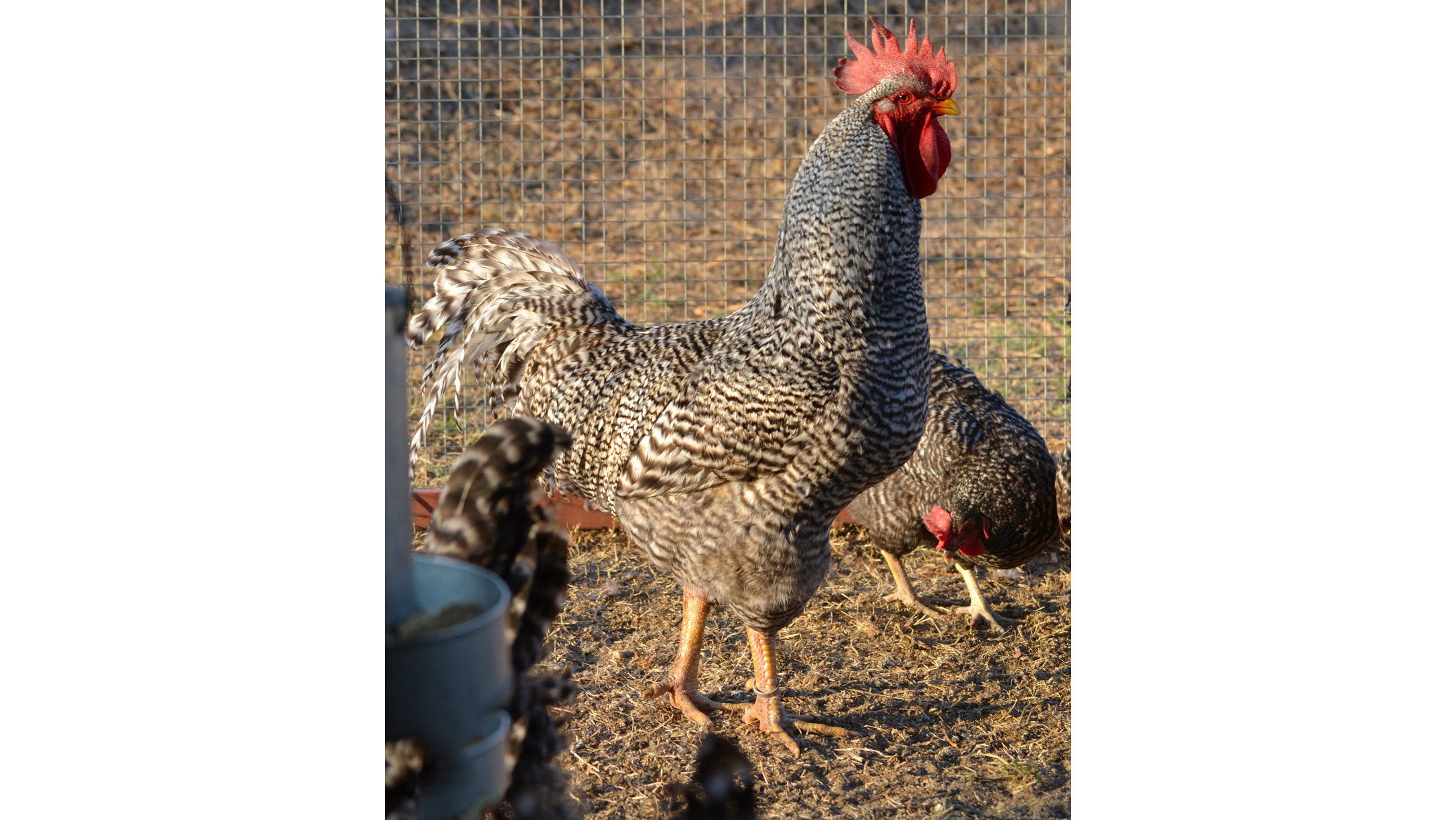
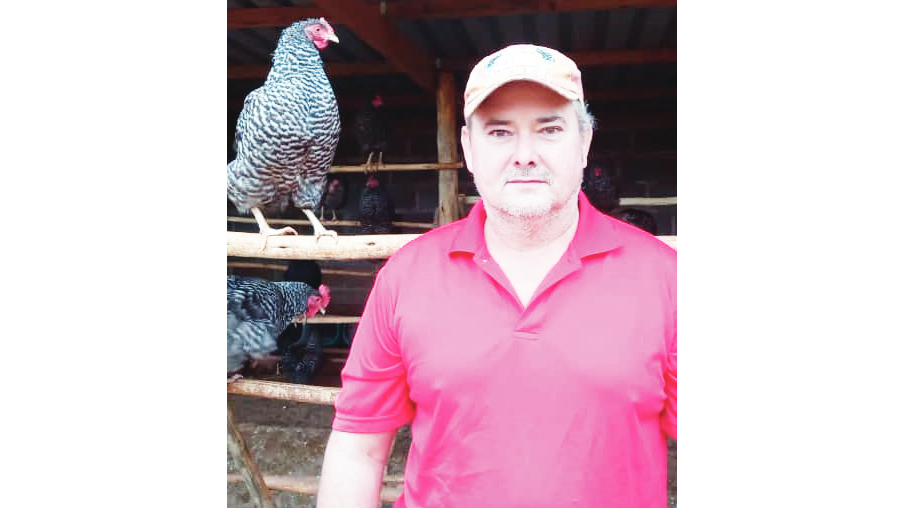
Derek Braithwaite says when thinking of indigenous chickens, you should consider the Potchefstroom Koekoek chicken. He says these are the best to breed, hence they are even known as the best dual-purpose chicken breed in southern Africa.
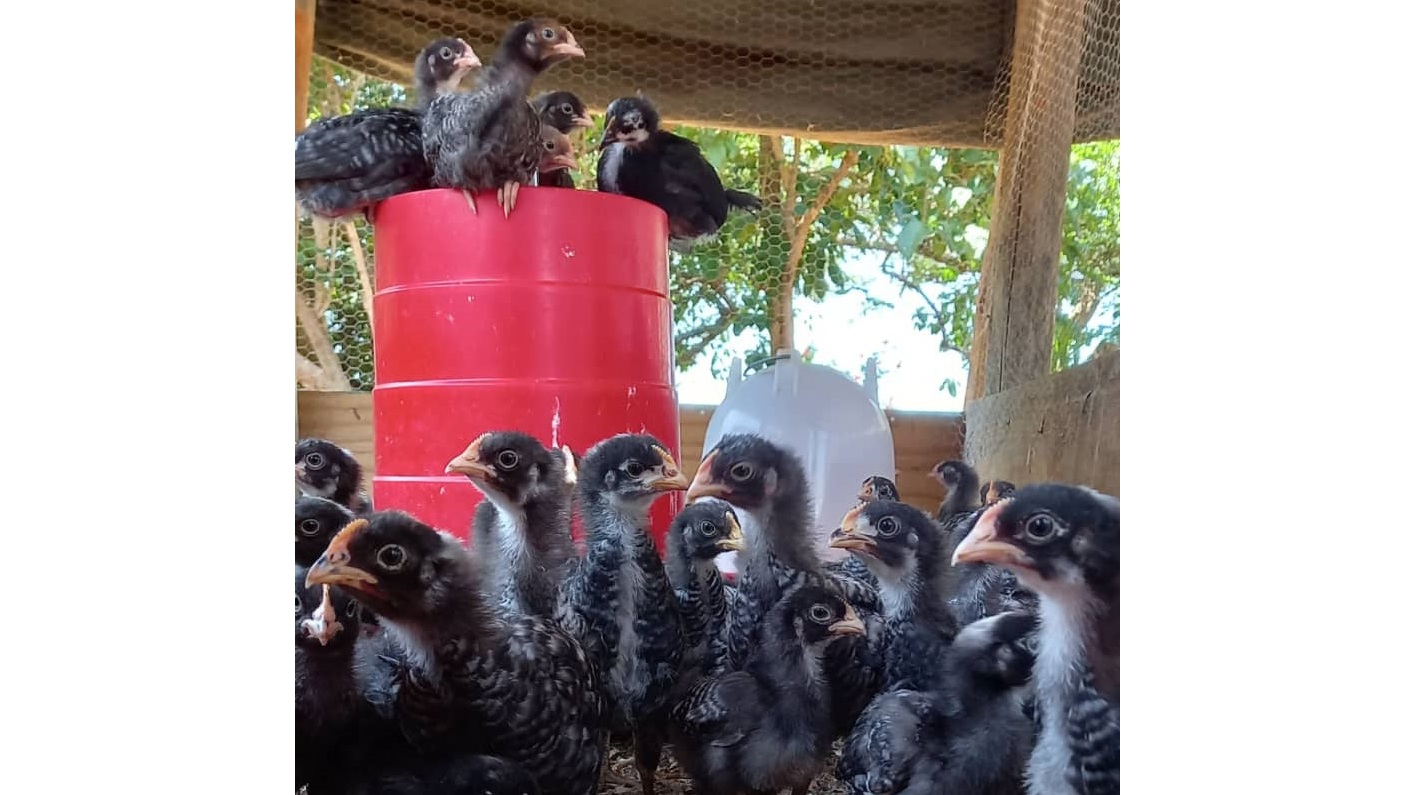
Braithwaite is a chicken farmer; he started rearing the Koekoeks in 2021 around November with 200 chicks. “I started with 200 chicks.
When they were fully matured, I kept 100 hens as my breeding stock and sold the excess roosters for meat. Since then, I have doubled my production and getting between 900 and 1 000 fertilised eggs per week,” he says.
He also reveals that his goal is to expand his market. “Our goal is developing the makhaya chicken market further by opening our own chain restaurants that serve our delicious makhaya chickens throughout Eswatini.”
To help us understand these chickens better, he shares a little bit of history on the Potchefstroom Koekoek.
He says these were developed in South Africa’s Potchefstroom Agricultural College in the 1960’s by crossing three distinct breeds; Black Australorp, White Leghorn and Barred Plymouth Rock. The result, he says, is a breed that has excellent egg-laying capabilities and a large structure for meat production.
Why opt for these?
They are hardy and adaptable as they were bred specifically to suit southern African conditions and will thrive in our local environment.
The Potch Koekoek loves free ranging but will also do well in confinement.
They reach sexual maturity at around five months of age and hens will produce an average of 200 eggs per year, with a hatchability rate of 78 per cent.
Full grown weight of roosters is 2.5 to 3kg on average and 1.5kg to 2.5kg for hens. They produce delicious yellow meat, arguably the best makhaya chicken meat available on the market.
“The Potch Koekoek breed offers many advantages to those considering backyard farming or commercial production and I suggest, farmers explore farming these.”
Tricks of the trade
Now you know why you should opt for these chickens, but how can you make it a success? Braithwaite says there are no complex tricks and hacks with these Koekoeks, it is a matter of ensuring that they are in a secured environment. “Protecting your chickens from predators. It’s important to build secure fencing and houses to keep them safe.”
He advises not to cut costs when it comes to quality. “It’s a business after all and you will look for ways to cut cost. But always try to keep food costs down without compromising the well-being and quality of the chicken. To help us minimise the food costs, we produce Black Soldier Fly Larvae as high protein food, as well as growing greens to supplement their diet.”
Tips
Braithwaite further shared the following tips on Koekoek chicken farming:
You must be hands-on with your finger on the pulse and be prepared to experiment and work out what works best for your chickens in your environment and weather conditions.
The nice thing about this breed is that they are hardy, low maintenance and adaptable. So, whether you’re considering backyard farming or commercial production, the Koekoek breed will reward you with high egg production and arguably the best tasting makhaya chicken meat. If you want to start rearing the Potchefstroom Koekoeks, then Derek Braithwaite is your go-to-guy, not only does he sell chicks but can give advice.
Contact him on this number: +268 7605 8532.














Leave a comment