

Launching an African restaurant is more than a business idea. It is an opportunity to introduce diners to the depth and diversity of a continent whose culinary traditions are as varied as its landscapes.
A strong starting point is immersing yourself in the breadth of African cuisines. Each region presents distinctive flavours shaped by history and local produce.
Your menu should reflect this richness while remaining accessible to local tastes. Authenticity matters yet so does knowing what your customers will enjoy.
Your next consideration is location. A suitable site must be visible and easy to reach, while conveying warmth and comfort. African hospitality is known for its generosity and your restaurant’s environment should reflect that spirit.
Building relationships with suppliers who understand the importance of indigenous ingredients is also essential. Quality peppers, grains, spices and fresh produce can make or break the integrity of your dishes.
Design
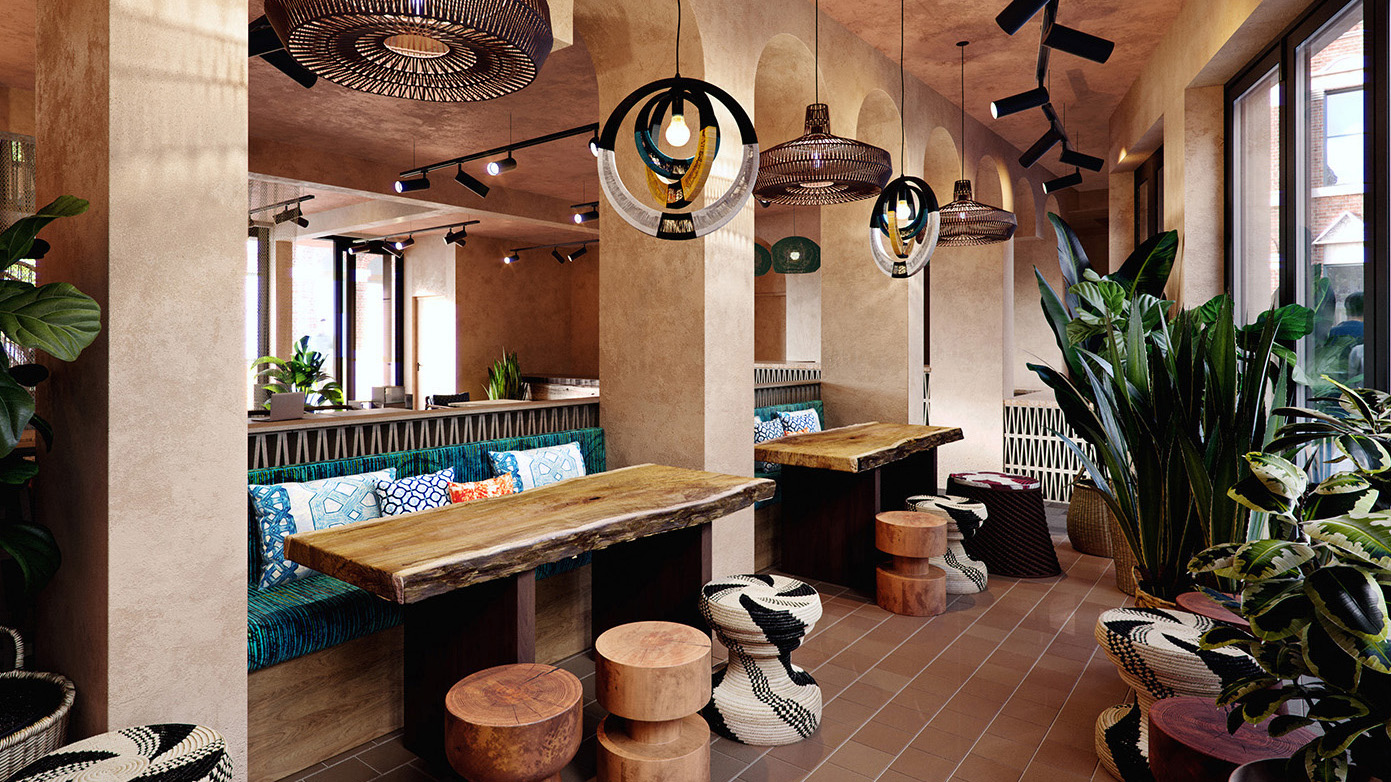
Design plays a critical role in shaping the customer experience. Think vibrant, cultural and welcoming. Décor inspired by African textiles, art or natural elements can set the tone long before the food reaches the table. Tools such as Desygner allow you to design menus and promotional material that mirror your theme without the need for advanced design skills.
These visual elements strengthen your brand identity and help communicate your restaurant’s story. A varied menu that highlights different regions encourages customers to explore.
Training your staff to understand the dishes and the traditions behind them adds depth to the dining experience and invites diners on a journey rather than a simple meal.
No new business is free of challenges and African restaurants face specific hurdles. Sourcing authentic ingredients is one of the biggest obstacles. It is not enough to find suppliers. You must ensure that the produce meets the standards needed for traditional dishes.
Another challenge is creating a menu that resonates with Africans who crave the flavours of home and non-Africans who may be trying the cuisine for the first time. Balancing tradition with approachability requires careful testing and a willingness to adapt. Recognising these hurdles early will help you build a stable foundation.
Right location
Finding the right location is equally crucial. A busy area with cultural diversity offers strong potential yet visibility and convenience matter just as much. Proximity to suppliers can reduce transport costs for specialised goods. A well-chosen site enhances customer curiosity and encourages foot traffic, both of which boost your chances of long-term success.
Licences and permits
Beyond choosing a location you must familiarise yourself with the necessary licences and permits. Restaurants are subject to strict health and safety regulations and compliance is non-negotiable.
Take time to understand your local requirements and ensure full adherence from the start. This protects your business from costly setbacks and demonstrates professionalism to customers and regulators alike.
Atmosphere is a powerful part of your brand. African dining is known for warmth, rhythm and community. Your décor, lighting and music should capture this essence. When customers feel transported they are more likely to return and share their experience with others.
Marketing
Marketing remains central to business growth. Today’s diners often discover restaurants through social media so a strong online presence is essential. Share images of your dishes, behind-the-scenes stories and customer testimonials. Encourage online reviews and engage actively with your audience. Word of mouth remains one of the most influential marketing tools especially for niche cuisine.
A dedicated team is vital. Every staff member contributes to the overall experience. Chefs must deliver consistency and front-of-house staff must demonstrate warmth and efficiency.
Invest in their training and create an environment where they feel valued. A motivated team reinforces your brand’s purpose and elevates customer satisfaction.
Brand identity ties all these elements together. Tools like Desygner allow you to create cohesive branding across menus, signage and promotional campaigns. Consistency builds trust and makes your restaurant recognisable in a competitive market.
In case you want to explore this opportunity of African restaurant, one is up for sale in Manzini, contact +268 7912 5073.



















Leave a comment