

Have you ever taken an IQ test and wondered what those numbers really mean? Maybe you were curious to see how your mind stacks up or perhaps you came across one of those online quizzes that promise to reveal how ‘smart’ you are. But behind those scores and statistics lies a fascinating psychological story.
IQ tests were never meant to label people as geniuses or otherwise; they began as simple tools to identify children who needed a bit of extra help in school. Yet over the years, they have evolved into one of the most discussed and misunderstood measures of human intelligence.
The concept of the Intelligence Quotient (IQ) dates back to the early 1900s, when French psychologist Alfred Binet developed the first intelligence test. His goal was to assist teachers in understanding different learning needs, not to rank intelligence. But as the tests spread across the world, they became a benchmark for measuring ‘smarts,’ sparking debates that continue to this day.
At its core, an IQ test measures a person’s cognitive abilities; how efficiently they can process information, reason, solve problems and learn new things. Modern versions, like the Wechsler Adult Intelligence Scale (WAIS) and Stanford–Binet, assess areas such as verbal comprehension, working memory, perceptual reasoning and processing speed. The average IQ score is standardised at **100**, with most people falling within a normal range.
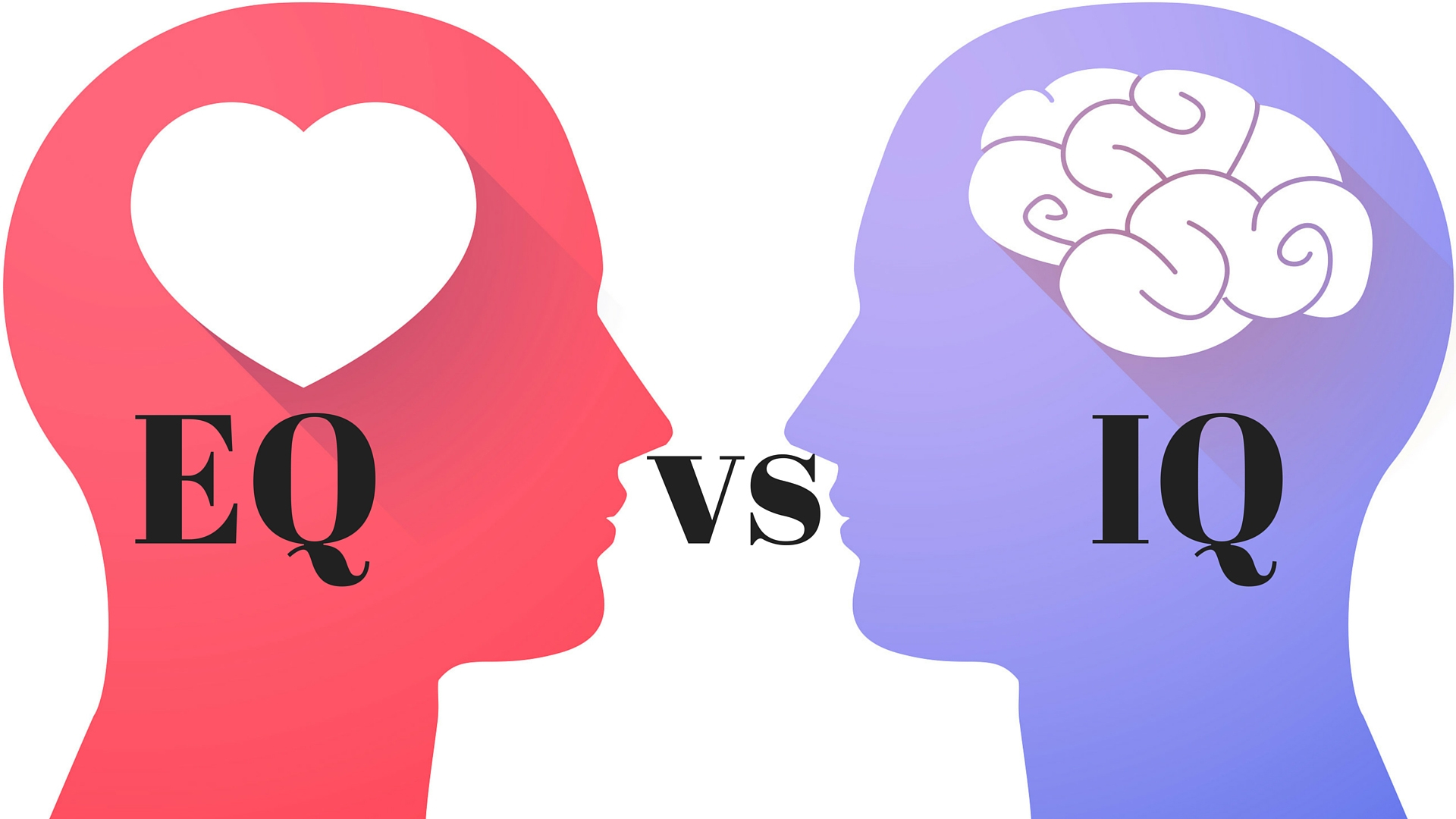
However, psychologists agree that an IQ test only captures part of the picture. It focuses mainly on analytical and logical thinking, leaving out other forms of intelligence such as creativity, emotional understanding, social awareness and practical problem-solving. A high IQ might predict academic success, but it doesn’t guarantee emotional wisdom or people skills.
Interestingly, IQ isn’t fixed. Both genetics and environment shape intelligence, with factors like quality education, nutrition, emotional stability and mental stimulation influencing how we perform on such tests.
While IQ tests remain useful for identifying learning needs and guiding educational support, they should not define a person’s worth or potential.
Intelligence is multi-layered and ever-evolving – and no single score can truly capture the depth and uniqueness of the human mind.



















Leave a comment