

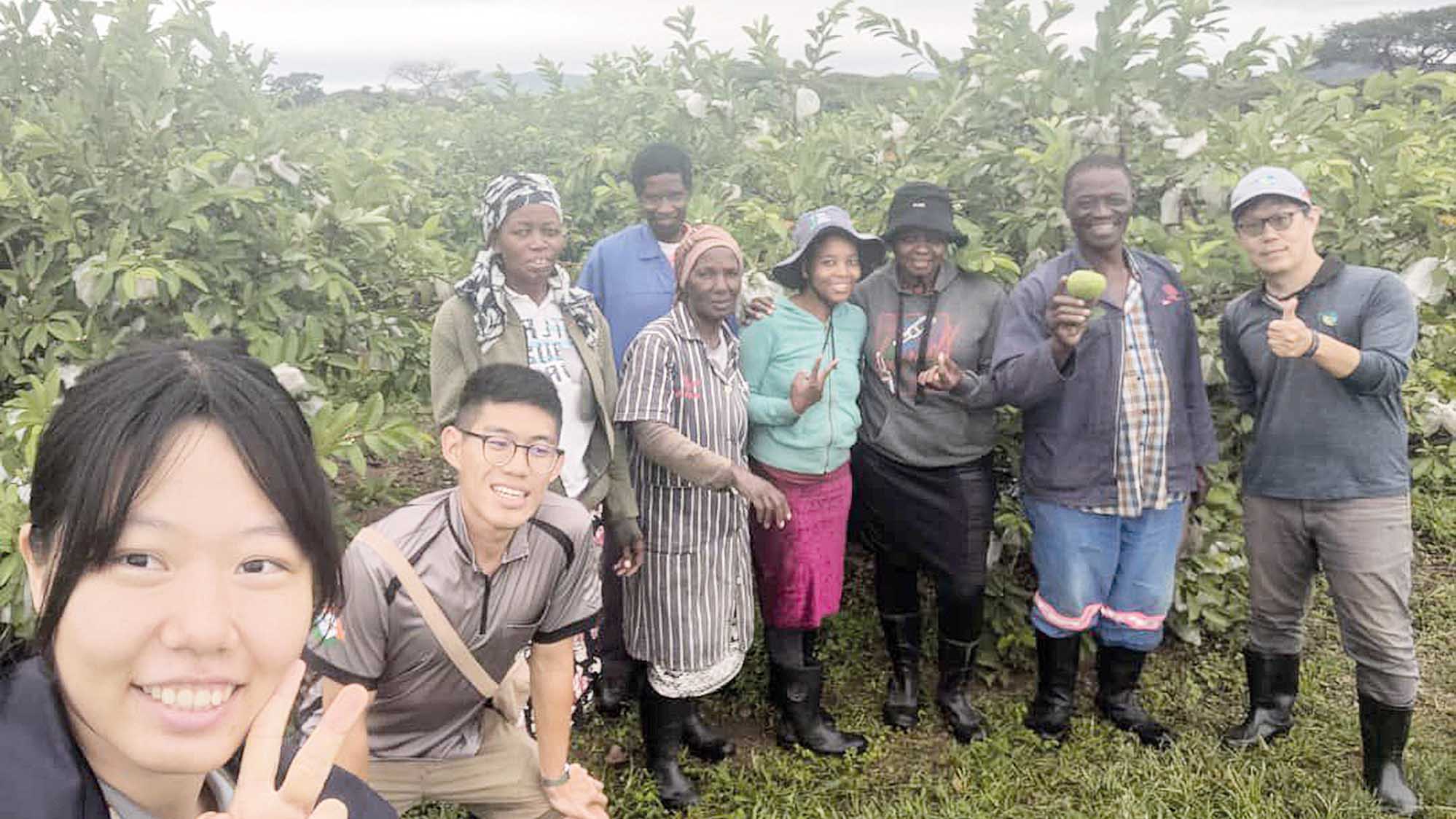
With support from the Taiwan Technical Mission (TTM), farmers in northern Eswatini are gradually transforming traditional agricultural practices through the implementation of the Emerging Fruit Tree Project, which began in 2021. Through structured technical guidance and orchard management support, the project has assisted farmers in developing sustainable fruit tree production systems and strengthening local agricultural capacity.
“Life on the farm has changed significantly,” said Dumsani Swemgwe, farm owner of the Messer Mzimnene Farmers Association, during an interview. The farm is located approximately 45 kilometres southeast of Pigg’s Peak in the Hhohho Region, near the MR5 Public Road and a local river. Since joining the Emerging Fruit Tree Project in 2021, the farm has received continuous technical guidance from the Taiwan Technical Mission, supporting its transition from traditional crops to fruit tree cultivation.
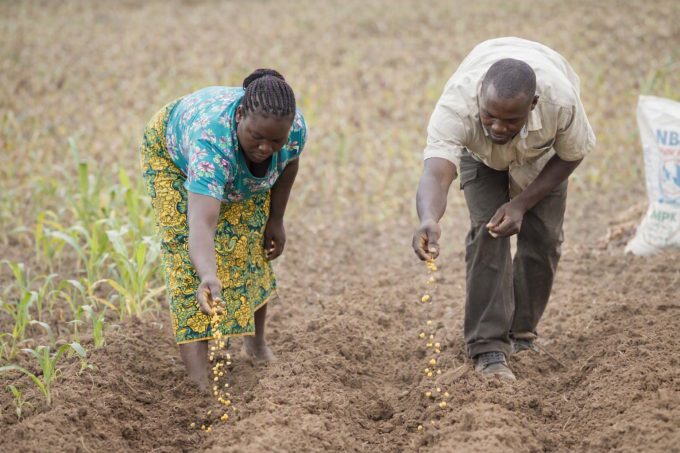
Looking back, Swemgwe explained that prior to the project, the farm mainly cultivated soybeans, cassava and traditional vegetables using conventional farming methods. Under the Emerging Fruit Tree Project, a one-hectare guava orchard was planned and established, and key cultivation techniques were gradually introduced, including point-source irrigation systems, intercropping practices and fruit bagging techniques. These measures have contributed to improved orchard management, more stable production conditions, and enhanced fruit quality. The farm currently operates with six core members involved in daily production activities.
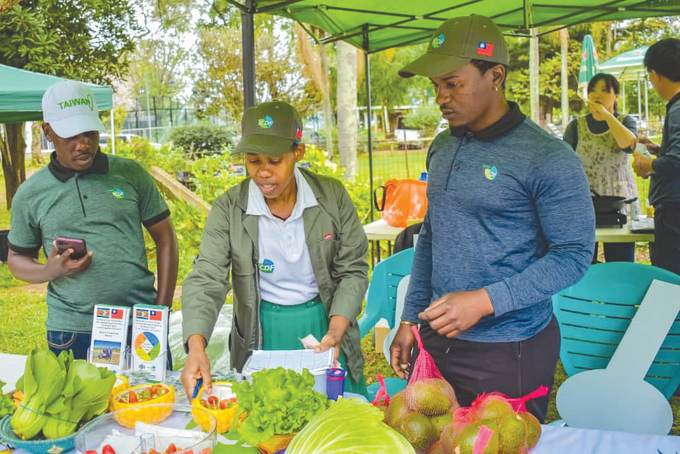
In addition to on-farm cultivation guidance, the Emerging Fruit Tree Project has also supported farmers in understanding market-oriented production requirements. With improved consistency in fruit quality, the farm has successfully supplied guavas to Pick n Pay supermarkets, helping farmers gain practical experience in meeting retail standards and strengthening their connection to formal market channels.
During the cultivation process, pest pressure, particularly fruit flies, was identified as a major challenge. Swemgwe noted that through technical guidance provided under the Emerging Fruit Tree Project, the introduction of fruit bagging techniques significantly reduced pest damage and improved fruit appearance, allowing farmers to manage orchards more effectively while reducing reliance on chemical controls.
Based on the experience gained through guava cultivation, Swemgwe shared that the farm is now planning to further expand its orchard area and apply the techniques learnt through the Emerging Fruit Tree Project to the cultivation of additional fruit tree species. This gradual expansion reflects the project’s emphasis on farmer capacity building, technical sustainability and long-term agricultural development. At the conclusion of the interview, Swemgwe expressed his appreciation for the continued support provided by the Taiwan Technical Mission through the Emerging Fruit Tree Project. He emphasised that the project has not only introduced practical cultivation techniques, but has also helped farmers build confidence, skills, and a clearer direction for future farm development.















Leave a comment