

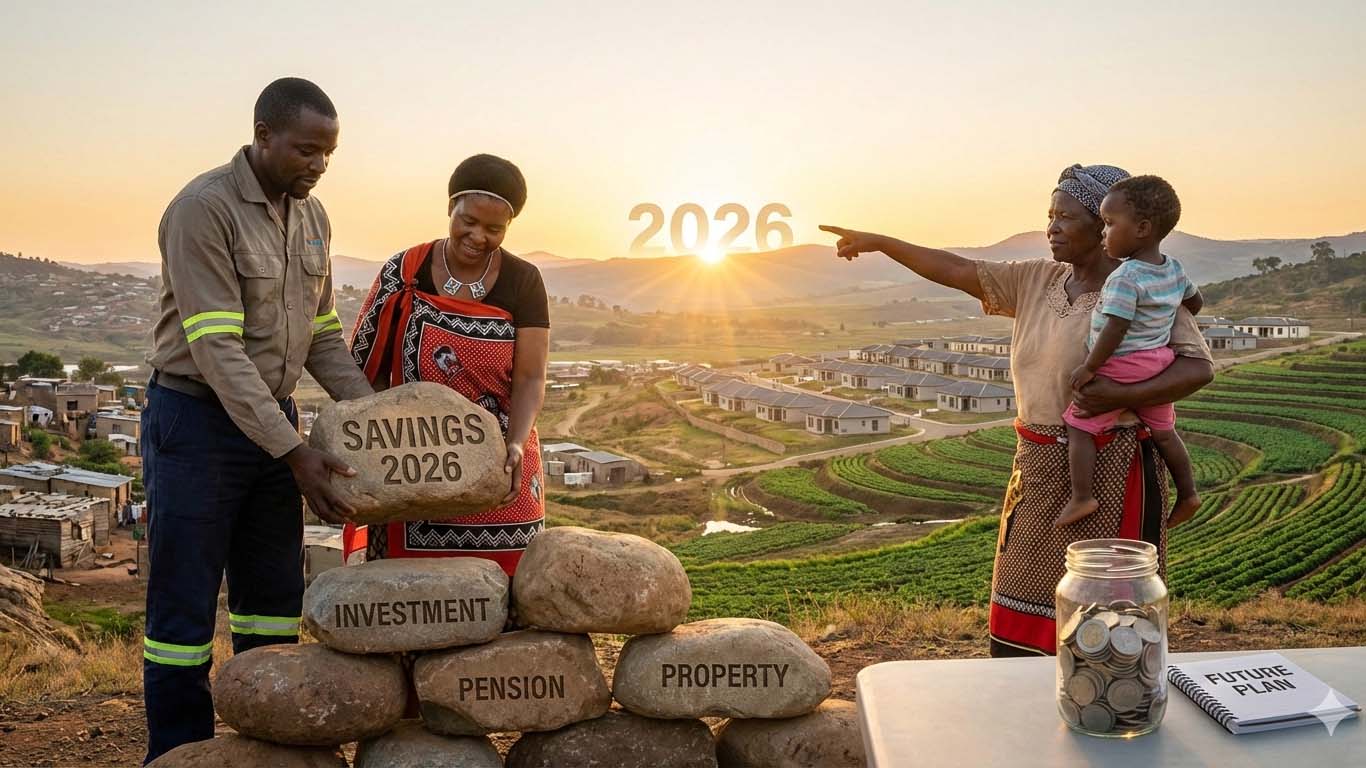
As we look ahead to 2026, the conversation around money must shift from short-term survival to long-term security. Rising living costs, volatile global markets, climate-related shocks and uncertain employment prospects have made it clear that relying on a single income stream or informal saving habits is no longer enough. It is incumbent on all emaSwati across all walks of life to engender a savings and investment culture. 2026 should be the year where savings and investment become deliberate, informed and disciplined choices rather than afterthoughts.
Why saving matters
Savings are the foundation of financial resilience. They provide a buffer against emergencies such as illness, job loss, or crop failure and they create opportunities to invest without resorting to expensive debt. Yet, many households struggle to save due to low incomes, high dependency ratios and social pressures. While these realities are undeniable, saving is less about the amount and more about consistency. Even small, regular contributions can accumulate meaningfully over time, especially when placed in the right instruments.
For 2026, households should aim for two layers of savings: short-term savings for emergencies (typically three to six months of basic expenses) and long-term savings geared towards wealth creation and retirement.
Traditional savings options
Commercial banks remain the most common savings avenue in the kingdom. Savings accounts and fixed deposits offer safety and predictability, making them suitable for emergency funds. Fixed deposits can help disciplined savers earn higher interest by locking funds for a set period. However, returns often struggle to keep pace with inflation, meaning money can lose purchasing power over time.
Savings and Credit Co-operatives (SACCOs) are another popular option. They promote a culture of collective saving and provide access to relatively affordable credit. For many emaSwati, especially in the public sector, SACCOs have been an effective way to build savings while meeting short-term financing needs. In 2026, strengthening governance and transparency within SACCOs will be crucial to maintaining trust and sustainability.
Pension, retirement savings
Retirement planning remains one of the most neglected aspects of personal finance, particularly for informal sector workers and young people. Yet, demographic trends suggest that relying solely on family support in old age is increasingly risky.
Contributing to occupational pension funds, provident funds, or private retirement annuities should be a priority for those with regular income. These instruments benefit from long-term compounding and professional fund management. For younger contributors, starting early, even with modest amounts, can make a substantial difference by the time retirement arrives.
For policymakers and employers, 2026 should also be a year to expand pension coverage to informal workers through flexible, micro-contribution schemes that align with irregular income patterns.
Investing for growth
While saving preserves money, investing grows it. For those who have built a basic savings cushion, investment should be the next step. The domestic capital market, though relatively small, offers opportunities through government bonds, treasury bills and listed equities. Government securities are attractive for conservative investors seeking stable returns with low risk.
Unit trusts and collective investment schemes provide another entry point, allowing individuals to pool resources and benefit from diversification. These products are especially suitable for those who lack the time or expertise to manage investments directly.
However, investment literacy remains a major challenge. Too many people fall prey to unrealistic promises of quick returns, particularly from unregulated schemes. In 2026, the mantra must be clear: If an investment sounds too good to be true, it probably is. Verified, regulated products may offer slower growth, but they protect hard-earned savings.
Property and land
Property investment continues to hold strong appeal in the country due to cultural preferences and perceived stability. Residential rental properties, small commercial spaces and serviced land can generate steady income and appreciate over time. However, property is capital-intensive and illiquid. Prospective investors must carefully assess location, demand, financing costs and maintenance expenses.
For young professionals and diaspora emaSwati, collective property investment through co-operatives or real estate funds could lower entry barriers while spreading risk.
Agriculture, small enterprises
Beyond financial instruments, investing in productive activities such as agriculture, agro-processing and small enterprises can yield both financial and social returns. Climate-smart farming, value addition and local manufacturing align well with national development priorities and job creation goals. However, these investments require planning, skills and patience. Blending personal savings with government support programmes, youth empowerment funds and development finance can improve viability. The key is to treat such ventures as businesses, not side projects.
Cultivating a new culture
Ultimately, the success of savings and investment in 2026 depends not only on available products, but also on mindset. Financial discipline, goal-setting, and continuous learning are essential. Families must normalise conversations about money, schools must strengthen financial literacy and institutions must build trust through transparency and accountability.
For emaSwati, 2026 presents an opportunity to move from reactive financial behaviour to strategic planning. Saving consistently, investing wisely and avoiding reckless debt can transform individual households and, collectively, strengthen Eswatini’s economic resilience. The future will not be secured by income alone, but by what we choose to do with it.
May we engender a new money management culture in 2026.


















Leave a comment