

The proposed 20.67 per cent electricity tariff hike by the Eswatini Electricity Company (EEC) has sent a jolt through households and businesses alike, with one figure in particular stopping consumers in their tracks: E100 may soon buy just 32 units of electricity.
In a time when families rely on power for cooking, refrigeration, schooling, security and connectivity, those units can disappear in a matter of days or even hours.
As the cost of staying connected to the national grid rises, many emaSwati are beginning to question whether electricity as we know it is still affordable. Increasingly, attention is turning to alternative energy solutions that can cushion both commercial and residential properties from escalating costs, including solar power, LPG and generators, which are emerging as practical and reliable options in an era of expensive electricity.
The Bridge Shopping Centre in Mbabane serves as a shining example of proactive action. By installing solar panels on their roofs, they have not only reduced their reliance on the grid, but also ensured a consistent power supply. The trend is catching up among homeowners as well, with solar panels becoming a common sight on residential rooftops.
Sihle Langwenya, from Solar Energy Life, stresses the urgency of embracing alternative energy. He believes that those who haven’t considered the switch are being left in the dark. Langwenya emphasises the benefits of alternative energy, such as constant power supply and peace of mind in knowing you won’t be left stranded during blackouts. The big question is ‘which alternative energy will work for your property?’
1. Solar Energy
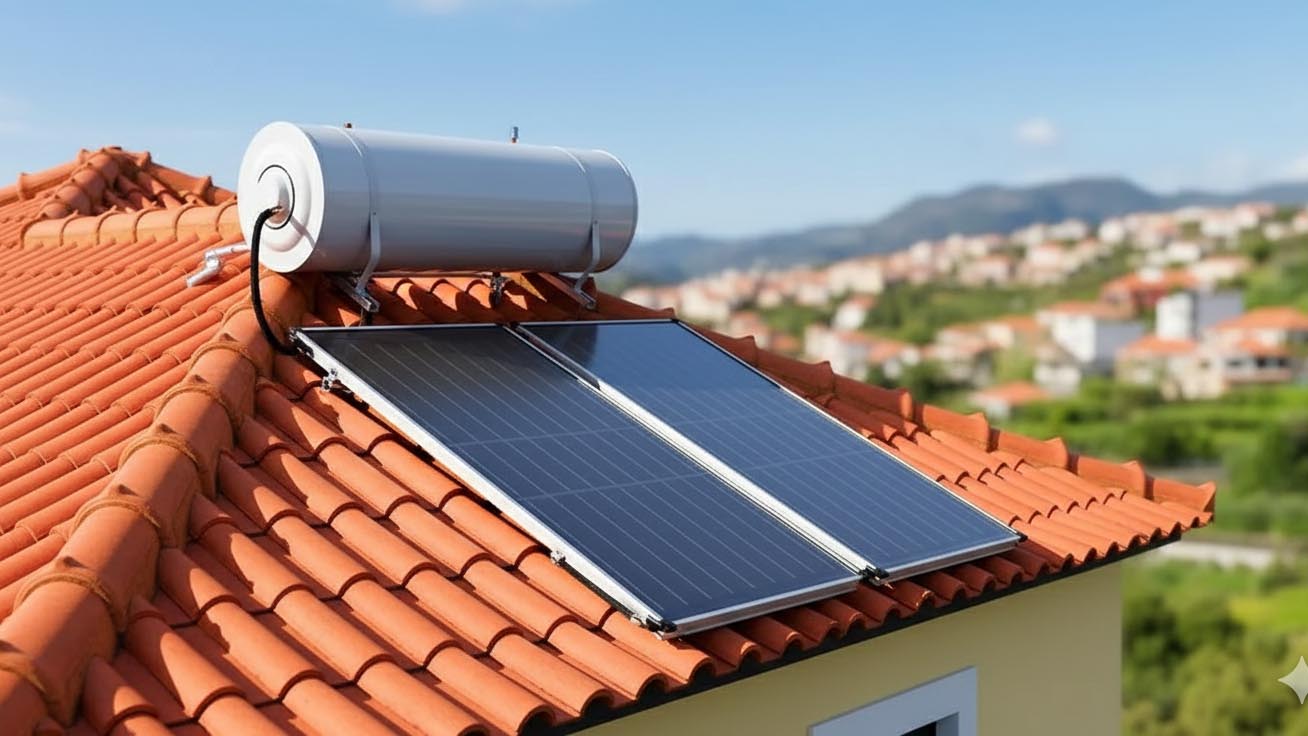
Solar energy stands out as a particularly ideal choice due to its numerous advantages. It is a renewable and clean energy source that can be harnessed throughout the day. By investing in solar panels, you can power a wide range of appliances and devices, from lights and refrigerators to air conditioning units and water heaters. Solar energy comes in different forms, including photovoltaic panels and solar water heaters, allowing you to choose the option that best suits your needs.
To ensure the effectiveness and longevity of your solar system, regular maintenance and upkeep are essential. Cleaning the panels, inspecting for any damage and checking the battery health are key tasks to perform. Partnering with reputable solar energy providers can offer professional assistance in this regard.
Your quick solution to backup power:
Inverters play a crucial role in the solar energy system. Langwenya explains that inverters act as a backup power source, working independently from the panels. “They convert the direct current (DC) power stored in batteries to alternating current (AC), aligning it with the grid’s power.
“Hybrid inverters, capable of lasting 4-6 hours, provide a reliable solution for uninterrupted power supply,” he said. Protecting your inverter from potential damage caused by lightning, overvoltage or overloading is crucial. Surge protectors and other safeguarding measures can be employed to ensure their longevity.
2. Things to consider before choosing generators
Here are things to consider when choosing generators:
How big a generator should you get?
This answer depends on the sum of the total load expected at any given time of the electrical loads that you want to power simultaneously, measured in watts.
First, start by adding up all the loads you know you want to be able to run simultaneously.
Then decide which electrical item in your house demands the most electricity to start its motor and add that to your total, keeping in mind that the start-up current of a pool pump motor, for example, is about 1.4 times the running load and bulky items like air conditioners and some refrigerators can be two or three times what they use while running.
What’s the difference between a standby generator and a backup generator?
A standby generator is permanently installed equipment just like a central air-conditioning system. Its engine runs on propane or natural gas. A backup generator is a small, portable, petrol-engine generator that you can wheel around into position outside the house and plug into the transfer switch. It can be connected to electrical loads through heavy-duty extension cords.
What loads should you consider powering with the generator?
- Kitchen, bathroom and sitting room lights
- One plug in kitchen for kettle or cellphone charger
- Refrigerator/freezer
- Television and decoder
- Garage door opener
- Microwave/oven
- Computer
- Security –alarm systems/electric fencing/lighting
Here’s a quick checklist of things to consider when buying a generator:
Safety – Make sure that the generator is installed correctly or connected to the building via a suitable and approved change-over switch, which includes installation of an over-current protection circuit breaker in the main distribution board by a certified electrician.
Total electrical load to be connected:
- Voltage, frequency and phase
- Do you want the generator to start automatically? If yes, then an automatic mains failure (AMF) mechanism needs to be installed. If not, then a system needs to be put in place for manual start and switch over.
- A suitable location for the generator –outside or in a vented area
- Noise levels
- Altitude and running time
3. Liquefied petroleum gas
Another alternative energy option gaining popularity is LPG (liquefied petroleum gas). It is a versatile and efficient fuel source, suitable for cooking, heating and powering various appliances. However, safety precautions must be taken when handling LPG. Regular maintenance, proper ventilation and adherence to safety guidelines are paramount.
Uses of LPG
When you hear LPG, the first thing that comes to mind is cooking food. Essentially, it is the primary purpose of LPG. However, this purified and liquified natural gas can also be useful for other things like barbeque grills, shower heating systems, fireplaces, residential heaters, ovens and backup generators.
Whether you use it for household cooking or industrial heating, LPG gas offers many advantages that will suit your needs.
Advantages of using LPG
Here are the top benefits of using LPG:
1. Reliability: LPG is a reliable source of fuel, particularly when cooking and sourcing heat energy. It offers convenience to every household while it is efficient for many industries like the medical and commercial fields.
2. Accessibility: In today’s world, people thrive to live in comfort and have easier access to almost everything. Thus, many LPG providers offer delivery and maintenance services at the convenience of their customers.
3. Environmentally friendly: One of the best features of LPG is the use of naturally occurring gases. Thus, making it more eco-friendly while lowering the pollution threat to the environment.
4. Good source of household energy: Notably, LPG is not just used for cooking, but is used for heating and hot water systems.




















Leave a comment