
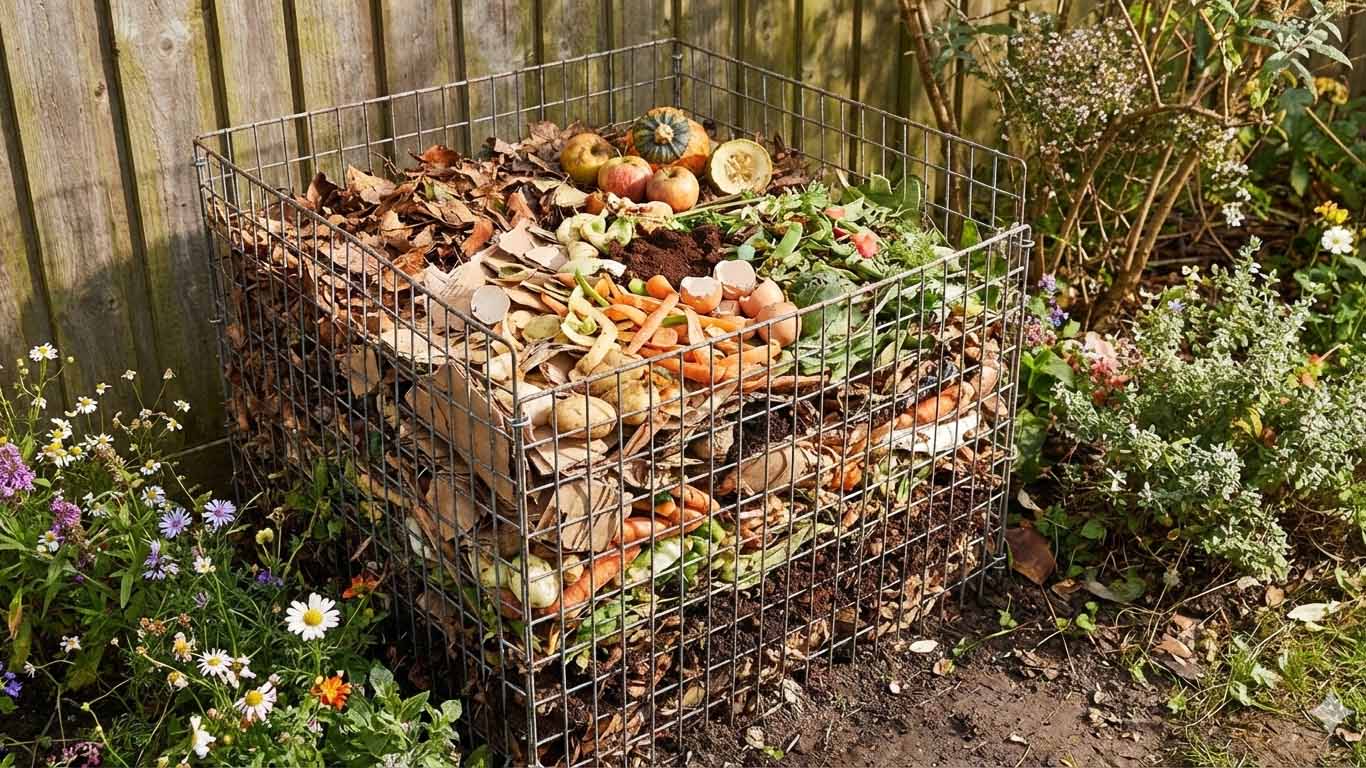
Making compost is a simple, natural process that turns everyday organic waste into nutrient-rich soil. By following a few basic steps, collecting the right materials, layering them correctly, maintaining moisture and allowing time for decomposition, households and farmers can create valuable compost that improves soil health, boosts crop yields and reduces waste sent to landfills. Here are effective steps to follow when making one: Step 1: Prepare compost area – Select a site that does not flood. Choose a shaded and well-drained area. Step 2: Gather materials – Gather all materials together at the compost area. The exact amount of each material used varies on what is available. The basic mixture should include: Green material of all kinds with moisture content around 50 per cent (vegetables, fruits and other kitchen waste) Maize stover or similar carbon-rich material with about 20 – 30 per cent moisture content, some rice husks can also be mixed in but the amount used should not be too much Animal manure from cattle, goats, chicken (with no heavy metals) or horse manure. The green material will provide carbon and nitrogen, the maize stover mostly provides carbon, while the animal manure provides nitrogen and food for bacteria. Mixing certain types of materials or changing the proportions can make a difference in the rate of decomposition. Achieving the best mix is more of an art gained through experience than an exact science. Some commercial compost makers advocate for the use of compost starters such as fungi. The use of such starters is controversial. The best starter is an already made compost that can be sprinkled on the different layers as the compost is being made. Effluent from the compost, sometimes referred to as ‘compost wash’ can be used as a starter. Step 3: Piling the materials – Make a heap in a series of layers – each layer is about 15 – 25cm thick/high. The first layer should be with coarse and more difficult to compost materials, such as maize stover, (maize stems and leaves and/or maize cobs or bean stems) Add the animal manure to cover the plant material Add the green material that is easily composted, such as fresh grass, leaves, vegetables and fruit residues Ash can be slightly sprinkled onto these layers, to accelerate the process of decomposition. Repeat all these layers until the heap reaches a height of 1.0 to 1.5m. The last layer is again green material. Each layer should be laid down by starting at the edge of the pile so that the heap does not collapse. Care should be taken to avoid pressing the materials too much or walking on the heap while building it. If the materials are too compacted, this will reduce the airflow in the heap and cause the composting process to develop slowly or not at all. Step 4: Water compost heap – There may be a need to sprinkle water on the compost pile if it is very dry, but this is not usually necessary if the choice of materials and the sequence of layering has been done systematically. Step 5: Cover compost heap – The heap should be covered to protect it against evaporation and possibly heavy rain, as this will wash away the nutrients. Use bags, grass or banana leaves for this.




‘Cat’ Matlala ID saga: Home Affairs official dismissed
MBABANE – Nonhlanhla Malambe, the Home Affairs official found guilty over the issuance of Eswatini national documents to Vusimuzi ‘Cat’ Matlala, has been...

MaMkhize absent as Eswatini team suffer 2nd defeat
NHLANGANO – Mbabane Highlanders AM suffered another painful defeat without President Shauwn ‘MaMkhize’ Mkhize in the stands, as Nsingizini Hotspurs edged them 1-0...

Ex-magistrate, another allegedly disobey court orders
MBABANE – Jail time has been sought for former Magistrate Dumisani Magagula and an individual with whom he is alleged to have disobeyed...

10-litre container of drugs allegedly found with clinic guard
VUVULANE – Community members reportedly recovered a 10-litre container of medication from a security guard at Vuvulane Rural Clinic, raising concerns of theft....

Indlovukazi arrives in UAE for official visit
Her Majesty Indlovukazi has arrived safely in the United Arab Emirates (UAE) where she is on an official visit. Her Majesty arrived around...

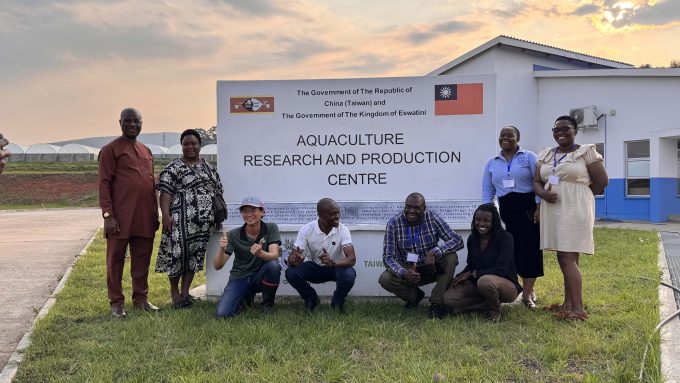
Eswatini targets higher local fish production through aquaculture development
Eswatini is stepping up efforts to reduce its dependence on imported fish...
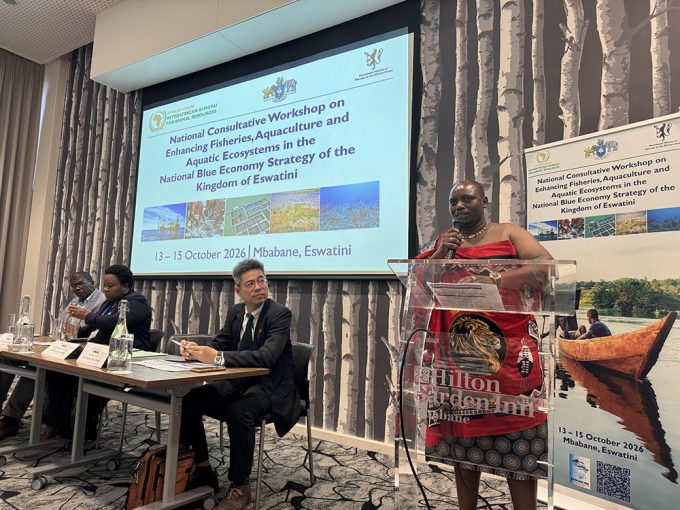
Eswatini urged to unlock economic potential of its waters
Eswatiniis being urged to look beyond its fields and unlock the economic...
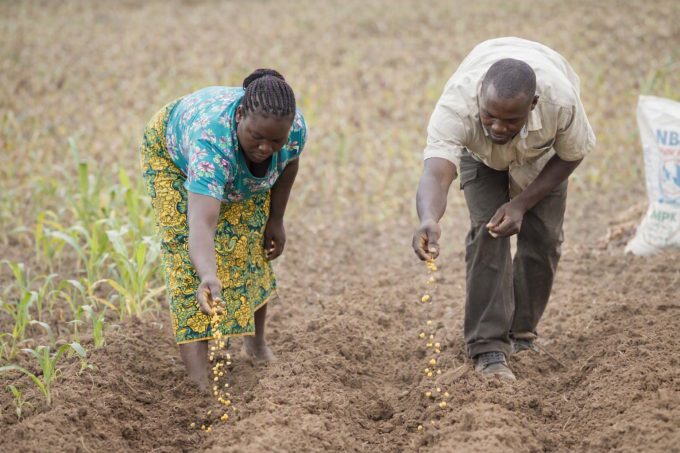
Importance of seed selection for suitability
… in agro-ecological zones By Mthobisi Buthelezi Choosing the right seed and...
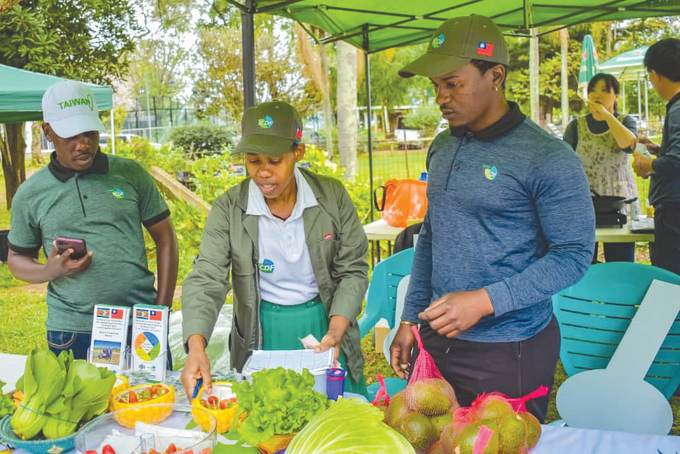
Locals get taste of Taiwanese produce
The Emerging Fruit Tree Project, in partnership with Hawane Co-operative, participated at...







Leave a comment