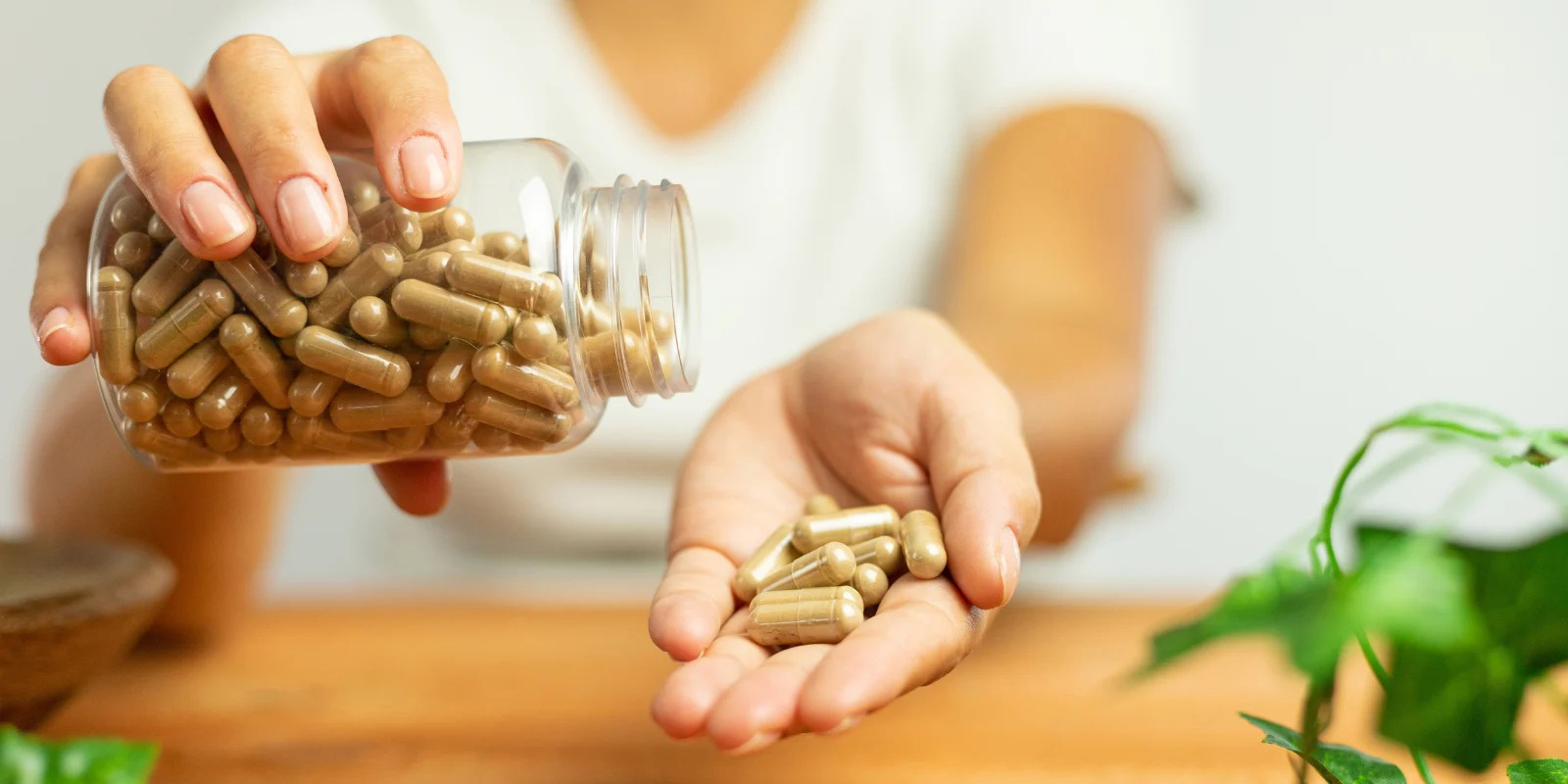
Scroll through social media for a few minutes and chances are you will come across someone praising ashwagandha. It is marketed as the answer to stress, poor sleep and anxiety. Some call it nature’s miracle herb. Others remain sceptical. So, is ashwagandha worth all the attention or is it another wellness trend?
Ashwagandha is an ancient medicinal herb that has been used for centuries in Ayurvedic medicine. It is classified as an adaptogen, a group of herbs believed to help the body adapt to physical and emotional stress. In recent years it has become one of the fastest growing supplements, fuelled by glowing testimonials.
The good news is that there is some evidence behind the claims. Several clinical studies suggest that ashwagandha, unlike many fleeting beauty fads, actually has some solid science backing it up. Studies show that standard doses typically between 300mg and 600mg daily may help reduce stress and anxiety by lowering cortisol, the body’s primary stress hormone. Some people also report sleeping better and feeling calmer after taking it consistently for several weeks.
Research has also explored its potential role in improving exercise performance, supporting concentration and reducing fatigue. However, it is not a magic pill that will suddenly transform your health. Like any supplement, it also comes with possible side effects. Some people experience stomach upset, diarrhoea or drowsiness. It may interact with certain medications, including those used for thyroid disorders, diabetes, blood pressure and autoimmune conditions. It is not recommended during pregnancy unless specifically advised by a healthcare professional.
It is also worth remembering that supplements are not regulated as strictly as medicines in many countries. That means quality and dosage can vary between brands, making it important to buy products from reputable manufacturers.
Perhaps the biggest misconception is that ashwagandha can replace healthy habits. No supplement will make up for poor sleep, chronic stress, an unhealthy diet or a lack of physical activity. Is it worth the hype? If you are looking for a natural tool to help, take the edge off a high-stress lifestyle and restore your sleep cycle, yes; it is absolutely worth a try. But remember that no supplement can replace the basics: A balanced diet, proper hydration and a healthy lifestyle. Before adding it to your morning routine, always have a quick chat with your doctor to make sure it is a safe fit for you.