

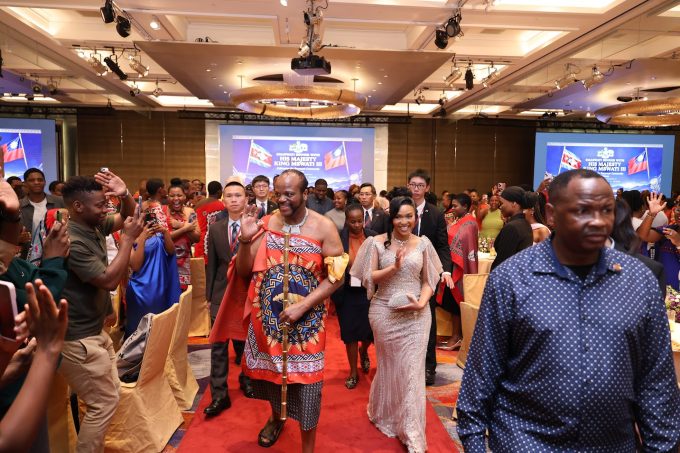
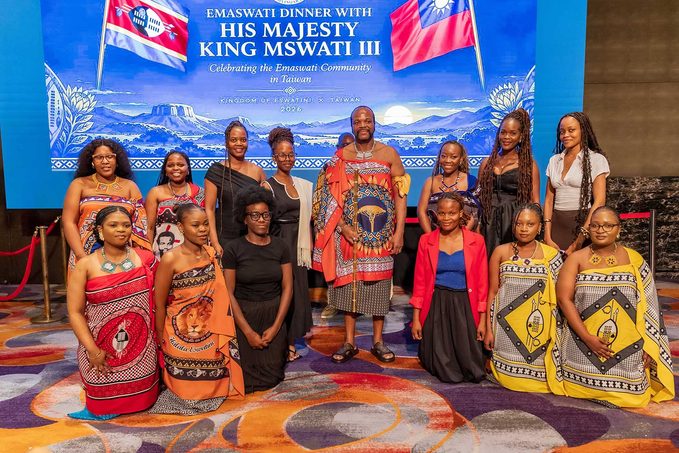
All eyes will turn to His Majesty King Mswati III as Southern African leaders gather in Durban this weekend for the SADC Organ Troika Summit on Politics, Defence and Security Cooperation.
As incoming Chair of the Organ, the King is expected to play an integral part in guiding regional efforts to resolve the latest political impasse in Madagascar, a crisis that is all too familiar. The current turmoil, which saw President Andry Rajoelina removed from office amid unrest in late 2025, presents an ironic historical twist. Rajoelina, who rose to power through the March 2009 overthrow of President Marc Ravalomanana, now finds himself on the other side of an unconstitutional change.
His Majesty was Chairperson of the SADC Organ Troika when the coup occurred on this island in 2009. He hosted and chaired two decisive meetings that set the tone for resolving the matter.
The first was on March 19, 2009, when an Extraordinary Organ Troika Summit in Ezulwini condemned the unconstitutional ousting and refused to recognise Rajoelina as president, declaring the takeover a violation of Madagascar’s constitution, SADC principles and broader African and international norms. Days later, on March 30, an Extraordinary Summit of Heads of State and Government convened at Lozitha Royal Palace, suspended Madagascar from all SADC institutions until constitutional order was restored and called for Rajoelina to step aside so that the elected president could return to power. Those early decisions set a firm regional stance and laid the foundation for subsequent mediation led by former Mozambican President Joaquim Chissano and other Troika chairpersons, which eventually produced roadmaps and paved the way for elections that restored constitutional governance in 2013. The roles have now been reversed. Rajoelina, once the beneficiary of the 2009 events, was himself removed following protests and political upheaval. SADC has responded with fact-finding missions, the deployment of a Panel of Elders led by former Malawian President Dr Joyce Banda and repeated calls for inclusive dialogue, the release of political prisoners, an end to arbitrary arrests, a clear time-bound path back to constitutional order and credible elections. The Organ Troika, which is currently chaired by Malawi, with Tanzania as the outgoing chair and Eswatini as the incoming chair, has been engaged on this matter through a series of extraordinary meetings.
Earlier this year, His Majesty received the ousted Rajoelina in Eswatini and called for an immediate return to constitutional normalcy. As the longest-serving statesman among current Organ leaders, with prior experience both as Chair (around 2009–2011) and now incoming Chair, the King brings critical institutional memory and continuity that should aid in expediting the resolution of this impasse.
This experience, combined with Eswatini’s consistent commitment to regional peace and security, positions the King to contribute meaningfully as the Troika deliberates in Durban between tomorrow and Sunday ahead of the main summit. The sooner our leaders have fewer political turmoils in their countries, the better. There is a greater need for them to expend their time in coming up with development solutions that are desperately sought by their citizens.
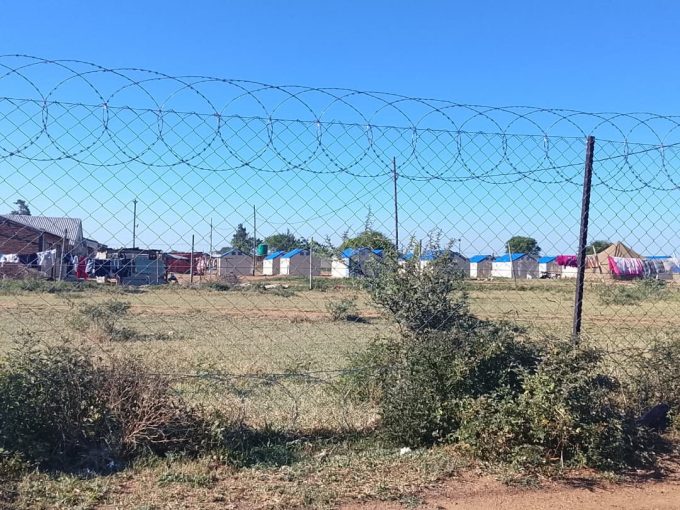
While organs such as SADC are meant to increase regional integration, the shortcomings in service delivery are causing fragmentation, as evidenced by the criticism now levelled against South Africa for the recent March-on-March protest against undocumented immigrants. South Africa is said to have spent over E292 million deporting the immigrants back to their home countries amid criticism of its leadership in failing to stem the protests.
The SA’s Home Affairs Department has written to the governments of the deported migrants seeking repatriation reimbursement from Malawi, Nigeria and Ethiopia for now. Meanwhile, some SA political leaders have asked the countries critical of this move to shoulder the blame for causing mass migration due to governance failures in their own countries. The SA International Relations and Cooperation Minister, Ronald Lamola, in a media briefing on the country’s foreign policy last week, said: “The SADC Summit platform will provide South Africa with an opportunity to articulate its approach to migration management and regional cooperation on migration-related challenges. South Africa will underscore its commitment to managing migration in a lawful, orderly, humane and effective manner, consistent with the Constitution and international obligations.
He also explained that the South African government is putting in place a detailed plan for managing migration that improves border security, fights illegal migration, deals with the illegal hiring of undocumented migrants, strengthens the enforcement of immigration and labour laws, and addresses corruption in migration systems. “South Africa will also emphasise the importance of regional cooperation in addressing migration challenges in a manner that promotes stability, development and respect for human rights,” he said. This matter is one of the other matters up for discussion at this weekend’s summit, which include the ongoing conflict in the Democratic Republic of Congo (DRC).
These issues highlight the necessity for high levels of service delivery in respective countries to reduce the reasons for citizens to migrate to neighbouring states like South Africa in search of livelihoods.
Eswatini Prime Minister Russell Dlamini on Wednesday released a government performance rating that he says is at 48 per cent, describing it as an improvement from the 22 per cent of the previous self-assessment.
Only 16 000 jobs are reported to have been created as a result, indicating that many unemployed emaSwati are among the migrants crossing the border to South Africa, albeit illegally, in search of a livelihood. Now, they have nowhere to turn but home.
One has not had the time to fully study and understand the government performance report, but there are many questions about it begging answers if the public’s reaction to it is anything to go by.
Whatever the case may be, the performance that really matters and needs a 100 per cent success result is one that ensures government never sets the people against the King in ways that would one day warrant the political and security intervention of the SADC Organ Troika.











Leave a comment