

MBABANE – Government wants future borrowing to finance projects that create jobs and business opportunities instead of supporting its budget.
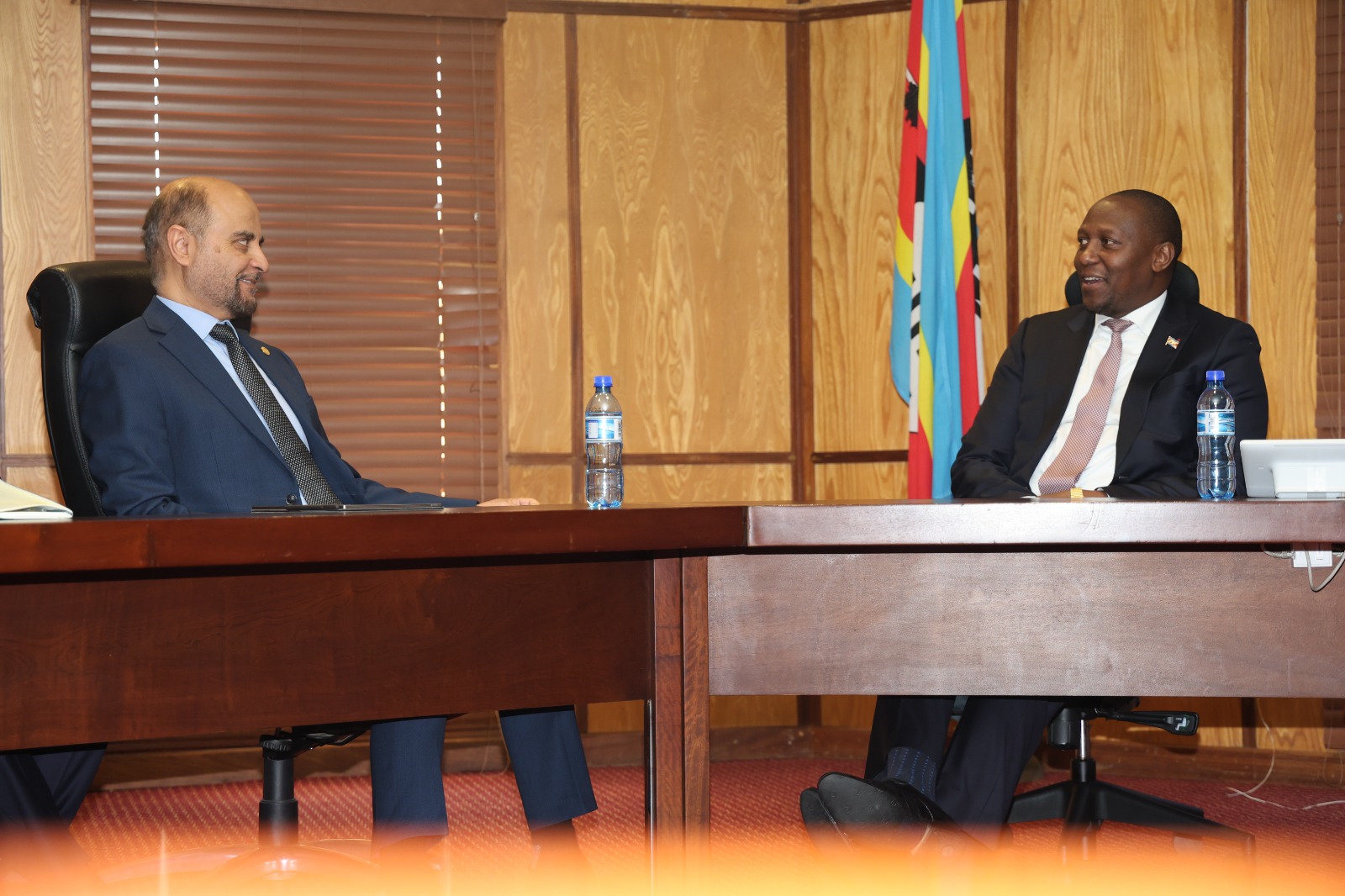
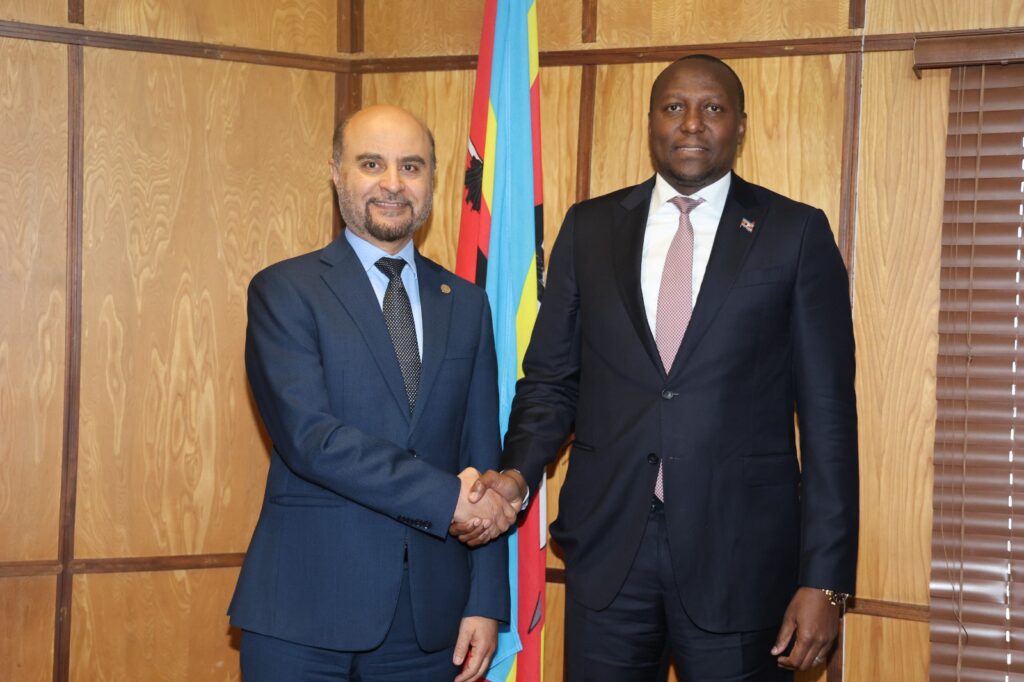
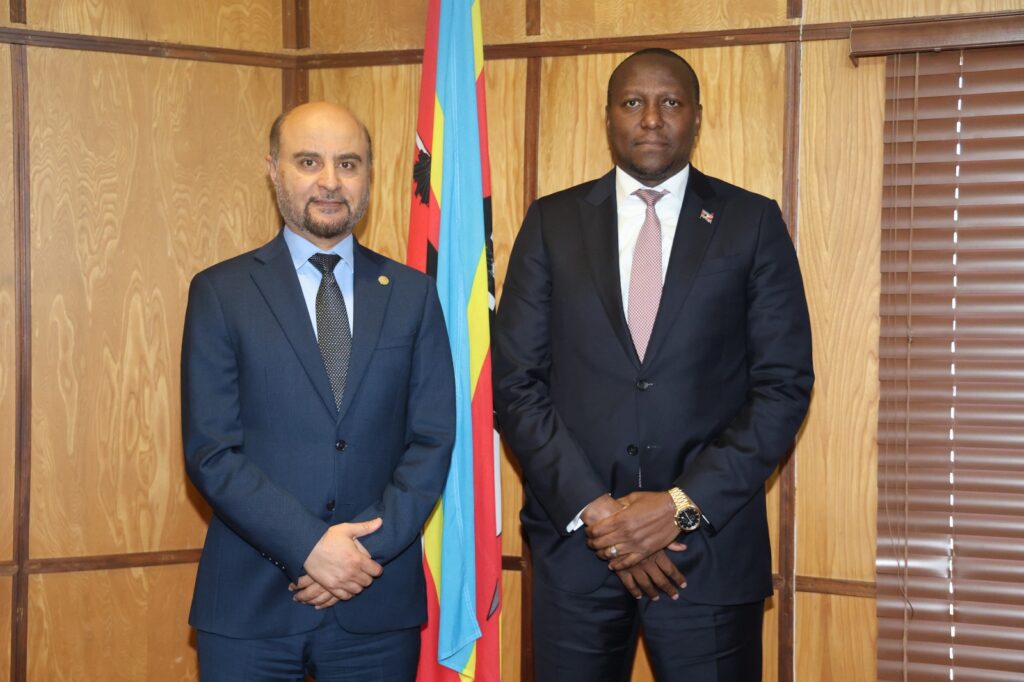
Prime Minister Russell Mmiso Dlamini made the call when he received a courtesy visit from a delegation of the OPEC Fund for International Development, led by its President, Dr Abdulhamid Alkhalifa, at the Private and Cabinet Office yesterday.
The meeting was attended by Minister for Finance Neal Rijkenberg, Minister for Agriculture Mandla Tshawuka and senior government officials.
Discussions centred on the OPEC Fund’s support for Eswatini since 2007, which has largely involved technical and budget support.
Dr Alkhalifa said the longstanding relationship between the OPEC Fund and Eswatini presented an opportunity to strengthen and broaden the partnership, particularly in agriculture.
Dlamini welcomed the Fund’s support for the country’s mega projects but said government wanted to change how it approached borrowing.
He said borrowing should increasingly be directed towards productive investments capable of stimulating economic activity, creating jobs for emaSwati and generating sustainable economic returns.
The premier stressed that where government borrows, the money should contribute directly to productive investment and the long-term development of the local economy.
Dlamini also raised concerns about international financing models and procurement processes, saying some were not sufficiently aligned with the objectives for which Eswatini borrowed money.
He said some financing and procurement arrangements resulted in significant benefits accruing to foreign companies, while local businesses and emaSwati received limited economic opportunities.
The PM therefore called for financing models that went beyond conventional debt instruments and delivered wider economic benefits domestically.
Dr Alkhalifa assured Dlamini that the OPEC Fund’s financing approach was aligned with government’s vision of borrowing for growth and productive investment rather than budget support.
He further said the Fund’s procurement policies were flexible and designed to protect the interests of the countries in which it invested.
According to Dr Alkhalifa, the policies also allowed approaches that could support local participation and maximise the developmental impact of OPEC Fund financing.













Leave a comment