

Madam,
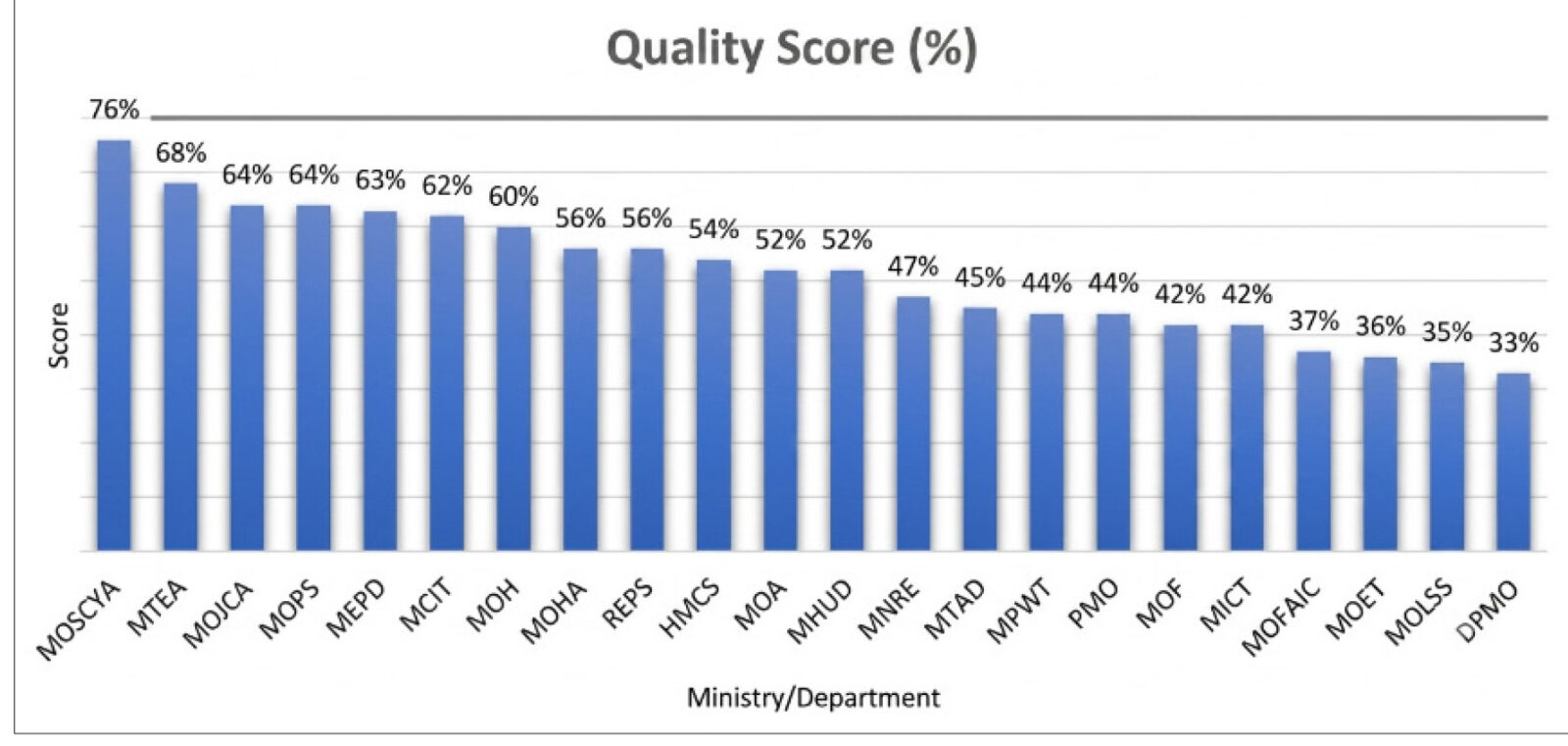
Wednesday’s unveiling of the first-ever comprehensive Government Performance Report by Prime Minister Russell Mmiso Dlamini marked a historic precedent in State transparency, yet it immediately ignited a wave of mixed reactions and public debate across the country.
While the report provides a welcome attempt to measure Cabinet’s performance, it also exposes a deeper and more uncomfortable reality: There remains a profound disconnect between administrative delivery and public justice. Government deserves genuine commendation for stabilising critical services, most notably improving public hospital medicine availability from a catastrophic 30 per cent baseline to a functioning 90 per cent. Progress in social housing, expanded tertiary scholarships and cold-storage export infrastructure is equally worthy of recognition.
Yet for many emaSwati, these achievements cannot erase one persistent grievance: The fight against corruption is not moving with the ‘nkwe’ urgency demanded by His Majesty King Mswati III and expected by the public.
For ordinary citizens, filling hospital shelves with medicines addresses an immediate crisis, but it does not heal the deeper wound that caused the crisis in the first place. During the 2023 Sibaya national dialogue at Ludzidzini, emaSwati did not merely call for replenished pharmacies. They called for accountability, investigations and swift prosecution of those accused of looting public resources and contributing to the deterioration of essential services.
Restoring operational systems while those responsible for alleged wrongdoing remain untouched risks creating an illusion of progress. Service delivery without accountability is not comprehensive reform. It is a temporary plaster over structural decay. The Anti-Corruption Commission (ACC) currently finds itself caught in a web of institutional inertia, complex legal battles and procedural delays. While the Executive operates under the high-tempo banner of ‘nkwe’, the justice mechanisms required to pursue high-profile corruption cases appear to be moving at a painfully slower pace. Lengthy disputes over arrest warrants, procedural appeals and evidentiary thresholds have created a frustrating bottleneck.
To the public, this increasingly feels less like justice moving decisively within the law and more like an institutional failure to confront powerful interests. When corruption dockets languish for months while those accused of benefitting from inflated tenders and other alleged financial misconduct continue with their lives, public confidence in State institutions inevitably suffers.
This is where the Government Performance Report must be judged not only by what it says has improved, but also by what remains unresolved. A government cannot claim a complete performance record while the corruption question remains hanging over the very institutions it is trying to strengthen.
If this administration’s service-delivery achievements are to form a lasting legacy, the anti-corruption machinery must undergo an urgent and uncompromising realignment. Government cannot afford to allow hard-won gains in healthcare, education and rural development to be undermined by a perception of softness on financial crime.
Unpunished corruption is an invitation to steal again. Without decisive investigations, lawful arrests, asset recovery and successful prosecutions where the evidence supports them, newly allocated public funds remain vulnerable to the very leakages that have repeatedly deprived citizens of essential services.
The public is, therefore, entitled to ask a difficult question: What good is a government that can measure its performance but cannot decisively measure up to the demands of accountability?
The message from the public is clear: Operational turnarounds are commendable, but they are only half the Sibaya mandate. True fulfilment of the Sibaya directive requires the ACC and the broader justice system to match the urgency, intent and determination demonstrated by the Executive in service delivery.
The nation wants credible investigations concluded, corruption cases brought before open court, unlawful assets recovered where proven and the rule of law firmly upheld. Due process must be respected, but due process cannot become an excuse for paralysis.
Until high-level corruption cases produce visible outcomes, including prosecutions and convictions where warranted, the fight against corruption will remain the most glaringly incomplete chapter of this government’s tenure.
Anonymous

















Leave a comment