

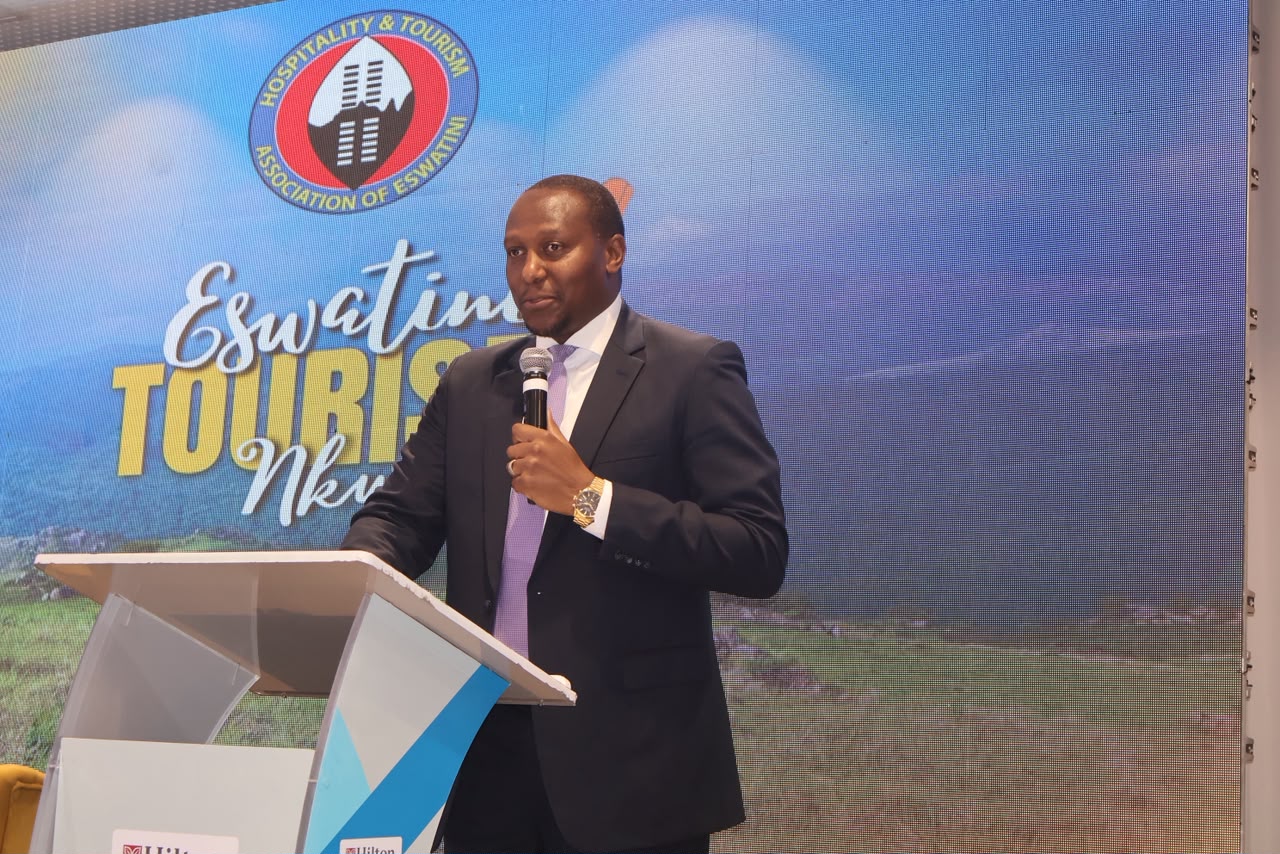
MBABANE- Prime Minister Russell Mmiso Dlamini has used the Tourism Nkwe Conference to give a practical definition of his much-debated disruptive leadership style, saying it means confronting systems that frustrate citizens, visitors and businesses.
The PM was speaking at the second Tourism Nkwe Conference at the Hilton Garden Inn in Mbabane, where he told tourism stakeholders that he embraced the description of his leadership approach without apology.
The Prime Minister’s remarks came weeks after Parliament debated his disruptive leadership style following a motion by Mbabane East MP Welcome Dlamini.
Parliament adopted the Prime Minister’s response to the motion last month after MPs debated whether the approach was compatible with the country’s governance system and collective decision-making.
The Prime Minister has previously explained disruptive leadership as an approach aimed at challenging entrenched practices and accelerating Government delivery. The Eswatini Observer reported in August that Dlamini had described the approach as applicable beyond politics, including business, and linked it to efforts to do things differently to accelerate development.
At the tourism conference, however, he offered perhaps his clearest sector-specific explanation of what the approach meant in practice.
“I embrace that description, and I do so without apology,” he said.
He said disruption should not be confused with disorder.
“Disruption in my understanding is not disorder. It is the refusal to let outdated systems, slow processes and incompatible habits stand in the way of Eswatini’s progress.”
He said systems that served themselves instead of the public needed to be changed.
“Where a system serves only itself and not the people, that system must be disrupted,” he said.
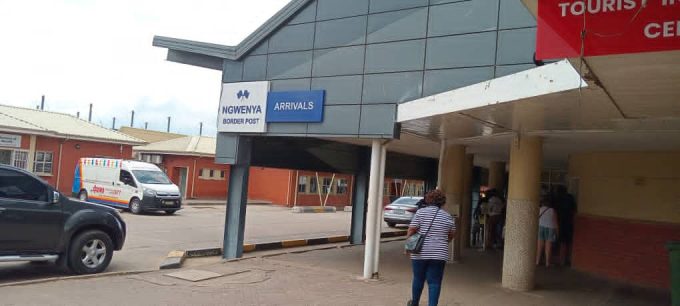
The PM also turned his attention to the country’s e-visa system, one of the issues raised by the tourism industry during the conference.
He acknowledged concerns from operators about reliability, payment processing and turnaround times, particularly during peak periods.
He said Government was aware of complaints about processing delays, payment failures and the lack of a manual fallback when the electronic platform experienced problems.
“A visitor system that frustrates the very visitors we are courting is a contradiction that we cannot sustain,” he said.
Dlamini said Government was committed to resolving the problems with “agency and not indefinite patience”.
The Prime Minister’s comments echoed the central argument he made during the parliamentary debate last month, where he maintained that disruptive leadership was about challenging complacency, increasing the speed of Government and demanding measurable results. However, his approach has not gone without scrutiny.
During the parliamentary debate, some MPs questioned how far the Executive could go in challenging established processes without compromising consultation and parliamentary oversight.
The PM’s latest remarks suggest that he sees the tourism sector as an area where this philosophy should be directly applied.
He said Government could not continue operating systems simply because they had always been operated in that manner.
“You want to maintain it how you found it. Disruption demands that we change,” he said.
“Instead of managing, keeping it at the same state, we must grow it, we must improve it.”
The Prime Minister also demonstrated the disruptive approach by changing his prepared speech shortly before addressing delegates.
He said he had removed figures from his speech after receiving information from a tourism stakeholder about weaknesses in the industry’s data.
Dlamini said the problem was that existing tourism figures might not fully capture informal and small operators.
“If our data does not yet fully capture the informal and small operator side of this industry, then our public narrative of growth risks obscuring the real conditions faced by the men and women who work in it daily,” he said.
He said disruptive leadership therefore required Government to fix the measurement before we celebrate the milestone.
The Prime Minister also pointed to the gap between existing regulations and developments in the tourism industry. He cited e-hailing services and seven-seater vehicles as examples of services that had become part of how tourism operated, while arguing that the regulatory framework had not kept pace with that reality.
He also highlighted changes in the payments environment, saying new payment infrastructure could reduce friction for hospitality businesses processing domestic and international transactions.
Dlamini said disruption was not about criticism for its own sake.
“It is about the discipline to look honestly at what is not working, and the courage to change it quickly rather than to manage it slowly,” he said. “That is what I mean by disruptive leadership.”
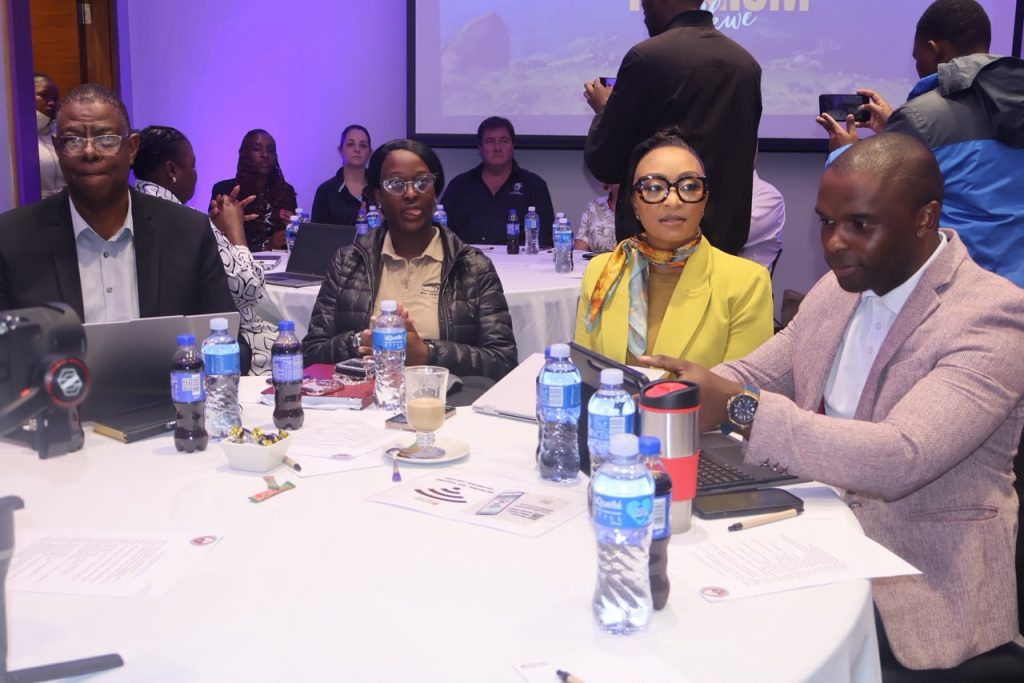
Earlier during the conference, Dlamini told tourism stakeholders that the country’s systems needed to work better to unlock the sector’s potential and create jobs, particularly for young people.
He urged Government departments to respond more quickly to problems affecting the industry.
“We must not accept any excuse,” he said.
“Other countries have systems that work.”
He said delays and inefficiencies could prevent the tourism industry from reaching its potential.
The Prime Minister said the country’s tourism strengths, including its culture, landscape, heritage and people, remained intact.
“What has to change is our tolerance for the systems that stand between that potential and its realisation,” he said.
Dlamini challenged conference delegates to return to the next Tourism Nkwe Conference with evidence of what had changed.
He said the conference should produce practical and measurable recommendations, particularly for Government.
“I look to all of us to return next year able to report not just what we discussed, but what we would have disrupted and what we would have fixed and delivered,” he said.














Leave a comment