
Part 1
Madam,
Foundation of a dignified society
A safe and productive workplace is built on respect, equality and professionalism. Employees, church members and students perform at their best when they feel valued and respected within their respective environments. However, harassment and bullying remain persistent and corrosive challenges that negatively affect individual well-being, distort professional and communal relationships and severely undermine organisational performance across Eswatini.
The integrity of a nation is measured by the safety of its citizens in the spaces they occupy every day. When the halls of our schools, the sanctuaries of our churches and the offices of our corporate and public sectors become arenas for intimidation, power abuse or unwanted sexual advances, the structural foundation of our society begins to fracture. This is no longer merely an internal personnel issue or a private matter; it is a critical national imperative that demands a collective and uncompromising response.
Core mandate
Achieving an environment free from intimidation and unfair treatment is not the burden of a single institution. It is a shared responsibility across all sectors of Eswatini. From the boardroom to the pulpit and the classroom to the shop floor, we must transition from a culture of silence to a culture of systemic accountability.
The purpose of this article is to bring into sharp focus the urgent need to eradicate harassment and bullying. By examining the scope of these behaviours, which often hide in the grey areas of ‘office politics’ or ‘misunderstood traditions’, we aim to provide clarity on what constitutes unacceptable conduct. We ground this call to action in the robust legal framework of the Kingdom of Eswatini, specifically utilising the Sexual Offences and Domestic Violence (SODV) Act No. 15 of 2018 as our primary instrument for legal and moral enforcement.
Creating a dignified Eswatini requires more than just policies written on paper; it requires a fundamental shift in our national consciousness. We must move towards a model where leadership at every level, be it a manager, an apostle or a head teacher, is held accountable for the psychological and physical safety of those entrusted to their care. Only when we dismantle the barriers of fear and silence can we truly realise a productive, healthy and prosperous Eswatini for all.
To combat the scourge of harassment and bullying effectively, we must first strip away the ambiguity that often allows these behaviours to persist.
In Eswatini, these actions are frequently minimised as ‘office banter,’ ‘strict mentorship’ or ‘cultural norms.’ However, when these behaviours create a hostile, intimidating or degrading environment, they constitute a violation of fundamental human rights and, in many instances, a direct breach of the Sexual Offences and Domestic Violence (SODV) Act of 2018.
Sexual harassment: Abuse of power and consent
Sexual harassment is any unwelcome sexual advance, request for sexual favours or other conduct of a sexual nature that makes an individual feel offended, humiliated or intimidated. It is not about attraction; it is about power.
Quid pro quo harassment: This occurs when an authority figure, be it a supervisor or an employer, makes employment decisions, such as promotions, salary increases or job retention, contingent upon an employee submitting to sexual favours.
Inappropriate physical contact: Any non-consensual touching, pinching or physical encroachment that violates an individual’s personal space.
Exploitative power dynamics: This is particularly prevalent in student-teacher relationships or mentor-protégé roles. Any sexual involvement between a person in a position of authority and their subordinate is inherently coercive, as the power imbalance renders true, free consent impossible.
Workplace and institutional bullying
Bullying is persistent, offensive, abusive, intimidating or insulting behaviour that undermines an individual’s self-worth and professional capability. It is designed to belittle and exclude.
Verbal abuse: Offensive jokes, derogatory slurs and discriminatory remarks regarding race, gender or status.
Relational aggression: Spreading malicious rumours, social exclusion and sabotage of an individual’s work.
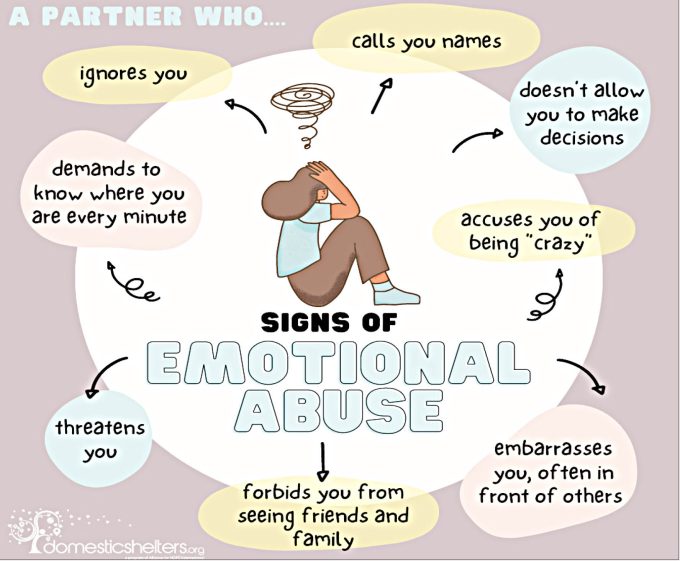
Intimidation: Threatening behaviour, public humiliation and shouting that creates a climate of fear.
The threshold of harm: It is essential to understand that intent does not override impact. Even if a perpetrator claims they were ‘only joking’ or ‘just teaching a lesson’, if the victim experiences the behaviour as intimidating, hostile or humiliating, the threshold of harassment has been met. This standard applies equally to our churches, schools and corporate offices.
By clearly identifying these behaviours, we remove the ‘grey areas’ that perpetrators use as a shield. Harassment and bullying are not leadership styles; they are failures of character and violations of the standard of conduct required by the laws of Eswatini.
Follow part II in the next publication.
Apostle Mbongeni Khoza