MBABANE – The number of learners leaving school because of pregnancy, abuse at home, substance use and bullying has increased in Eswatini.
The Ministry of Education and Training’s Guidance and Counselling Programme Progress Report has revealed that a total of 1 336 girls dropped out of secondary school in 2025 due to pregnancy, up from 964 in 2023, as the number of learners leaving school for other reasons, including substance use, abuse at home and bullying, also increased.
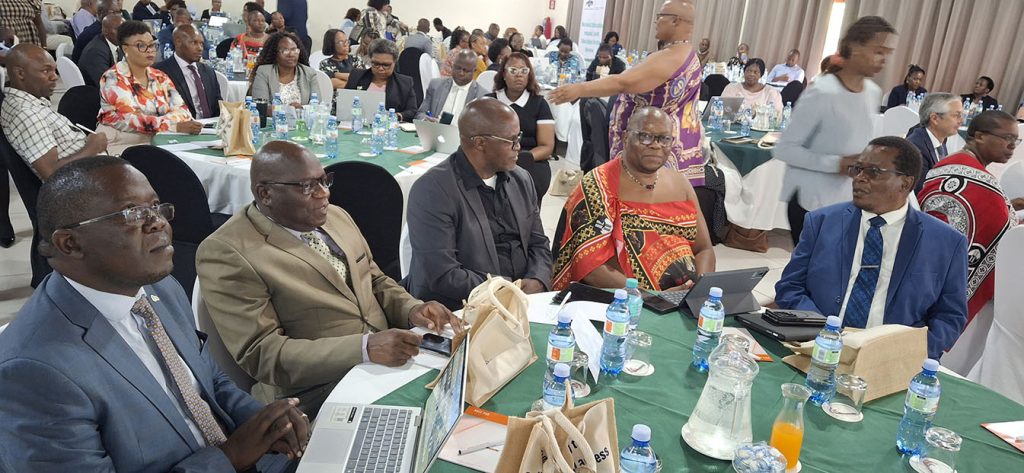
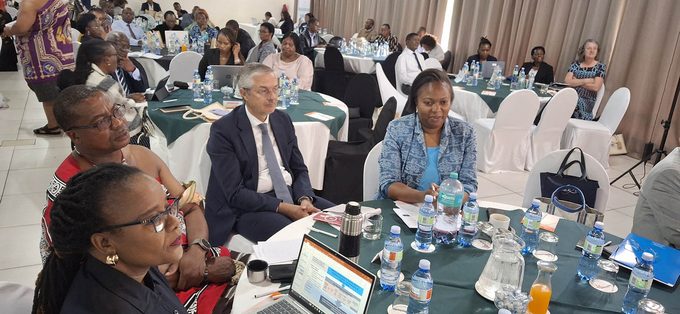
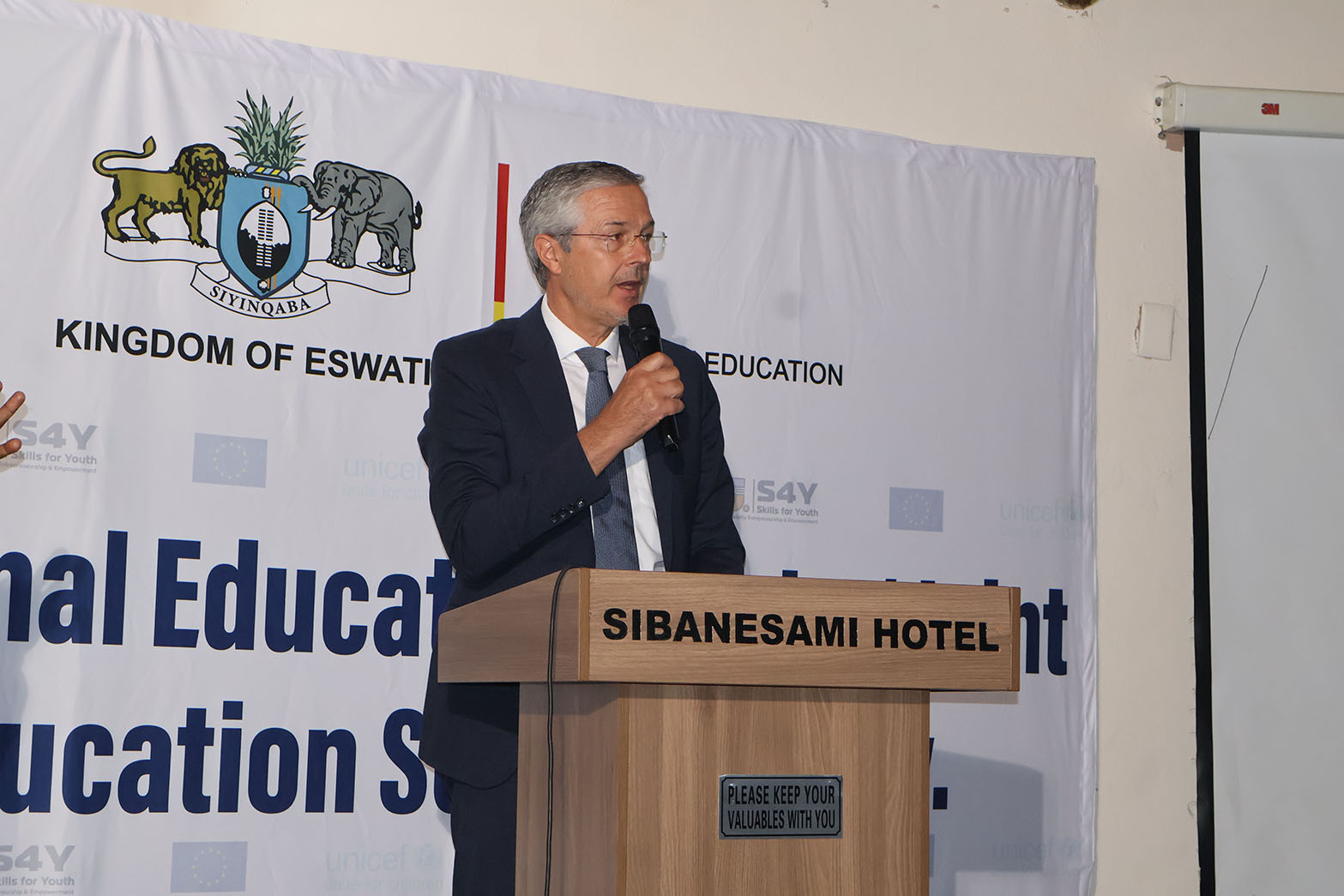
The report was presented during the ongoing National Education Indaba and Joint Education Sector Review currently taking place at the SibaneSami Hotel.
Also concerning is the increase in pregnancy-related school dropouts at primary level, where the number of girls who left school for this reason more than doubled from 88 in 2023 to 180 in 2025, representing a rise of approximately 105 per cent.
The report shows that pregnancy remains the leading documented reason for girls dropping out of school, while other recorded causes affecting both boys and girls have also increased.
Combined, the figures show that 1 516 girls left school because of pregnancy in 2025, compared to 1 052 in 2023.
Although the figures are counts rather than dropout rates, the increases point to a growing challenge for the education sector, particularly in preventing early and unintended pregnancies and ensuring that affected learners can continue with their education.
The report identifies pregnancy as the leading recorded reason for dropout, while also highlighting violence, abuse, bullying and substance use as other barriers affecting learners’ retention and progression.
The rise in pregnancy-related departures is particularly significant because government policy provides for continued learning when a pregnancy is reported and the return of learner-mothers to school after delivery.
However, the report reveals that the education sector does not currently track how many learner-mothers return to school after giving birth.
It also does not have comprehensive figures showing how many learners who leave school for other reasons eventually return.
This means that, despite the existence of policies intended to protect learners’ right to education, the ministry cannot establish how effectively these measures are helping affected children remain in or return to the education system.
Pregnancy is not the only reason learners are leaving school in increasing numbers.
The report shows that recorded cases of school dropout associated with abuse at home rose from 63 at the beginning of the reported three-year period to 116 in 2025.
Substance-use-related dropouts increased from 25 to 71, while those associated with bullying rose from nine to 24.
The figures represent increases of approximately 84 per cent for abuse at home, 184 per cent for substance use and 167 per cent for bullying.
Although the report does not establish the precise circumstances behind every case, the figures indicate that learners are facing challenges beyond the classroom that may interfere with their ability to continue their education.
The sex-disaggregated figures for 2025 further reveal differences in the recorded reasons boys and girls leave school.
Abuse at home accounted for 58 girls and 58 boys, suggesting that the problem affects both sexes equally in the recorded figures.
Substance use was associated with 51 boys leaving school, compared with 20 girls. Bullying accounted for 20 boys and four girls.
These figures suggest that substance use and bullying warrant particular attention in interventions targeting boys, while pregnancy remains a major concern for girls.
However, the report cautions that the recorded numbers should not be mistaken for the full extent of the problem, as school-based reporting may not capture all cases.
One of the major concerns emerging from the report is the limited capacity of schools to provide guidance, counselling and psychological support to learners experiencing difficulties.
Despite policy commitments dating back to 2011, the ministry has not created any full-time guidance and counselling posts in schools.
As a result, life skills education and guidance responsibilities are assigned to subject teachers, who must undertake these duties in addition to their regular teaching workloads.
The report identifies this arrangement as a structural constraint that may leave teachers with insufficient time to counsel learners, identify those at risk and ensure that cases receive appropriate attention.
The shortage is particularly pronounced at primary level, where only 180 of the reported 7 538 primary teachers had been trained to deliver life skills education.
This represents just 2.4 per cent of the stated teaching workforce.
The report also notes that primary school heads had not yet received orientation on violence prevention and positive discipline, despite the increasing number of learners leaving school for reasons linked to abuse and other social challenges.
At secondary level, 258 of the 291 reported school heads had received such orientation, representing 88.7 per cent.
Meanwhile, only 139 of the 291 schools had been trained on the Care and Support for Teaching and Learning programme, equivalent to 47.8 per cent.
The uneven coverage raises questions about whether schools have the necessary personnel and skills to identify vulnerable learners early and intervene before their circumstances result in them leaving school.
The report further identifies financial constraints as a factor limiting training, while noting that guidance and counselling do not have a dedicated budget line.
The challenges are also reflected in the number of violence cases reported by schools to the ministry’s Educational Testing, Guidance and Psychological Services (ETGPS).
According to the report, schools reported 204 violence cases in 2024–25, compared with 45 in 2023.
Emotional abuse emerged as the largest recorded category, increasing sharply from one case in 2023 to 93 in the 2024–25 reporting period.
Physical abuse cases rose from 10 to 44, while neglect increased from nine to 35.
Sexual abuse cases rose from 25 to 30, and cyberbullying cases increased from zero to three.
The report cautions that the relatively low number of recorded cases compared with national survey findings may indicate under-reporting rather than a low prevalence of violence.
It also notes that emotional abuse represents a growing need for psycho-social support, meaning that interventions cannot focus solely on physical protection and disciplinary measures.
However, the ministry’s ability to respond is constrained by an incomplete referral system.
The School Violence Management and Referral Guidelines remain in draft form, limiting the ability to establish a consistent process for ensuring that learners who disclose abuse receive follow-up support from health services, social welfare and the police where necessary.
The report identifies finalising these guidelines as an immediate priority.
Despite the growing challenges, the ministry has introduced several measures intended to strengthen learner protection and support.
These include the Learner Pregnancy Policy adopted in 2022, the Adolescent Sexual and Reproductive Health Referral and Linkages Guidelines introduced in 2024, and the Sinawe chatbot, which was launched as part of the support framework.
Guidance officers have also received training on tobacco and adolescent mental health, while secondary school heads have been oriented on violence prevention and positive discipline.
However, the report highlights a significant gap between the existence of these interventions and evidence of their effectiveness.
The ministry does not yet have comprehensive data showing how many learners receive counselling, how many referrals are completed, whether learners feel safer at school or whether those who receive support remain in education.
It also lacks the enrolment denominators required to calculate dropout rates, making it difficult to determine the scale of the problem relative to the number of learners in school.
The report acknowledges that some of the increases in recorded dropout numbers may partly reflect improvements in reporting. Nevertheless, the absence of consistent data makes it difficult to establish the precise contribution of individual factors or assess the impact of existing interventions.
The report recommends that the ministry prioritise training for upper-primary teachers and primary school heads, finalise and gazette the School Violence Management and Referral Guidelines by March 2027, and introduce a set of indicators to track the effectiveness of guidance and counselling services.
It also proposes that government cost a minimum guidance and counselling package and approve phased recruitment of full-time guidance staff in the 2027/28 financial year.
Further recommendations include incorporating guidance and learner re-entry information into the 2027 Education Management Information System census and conducting a situational analysis of early and unintended pregnancy.