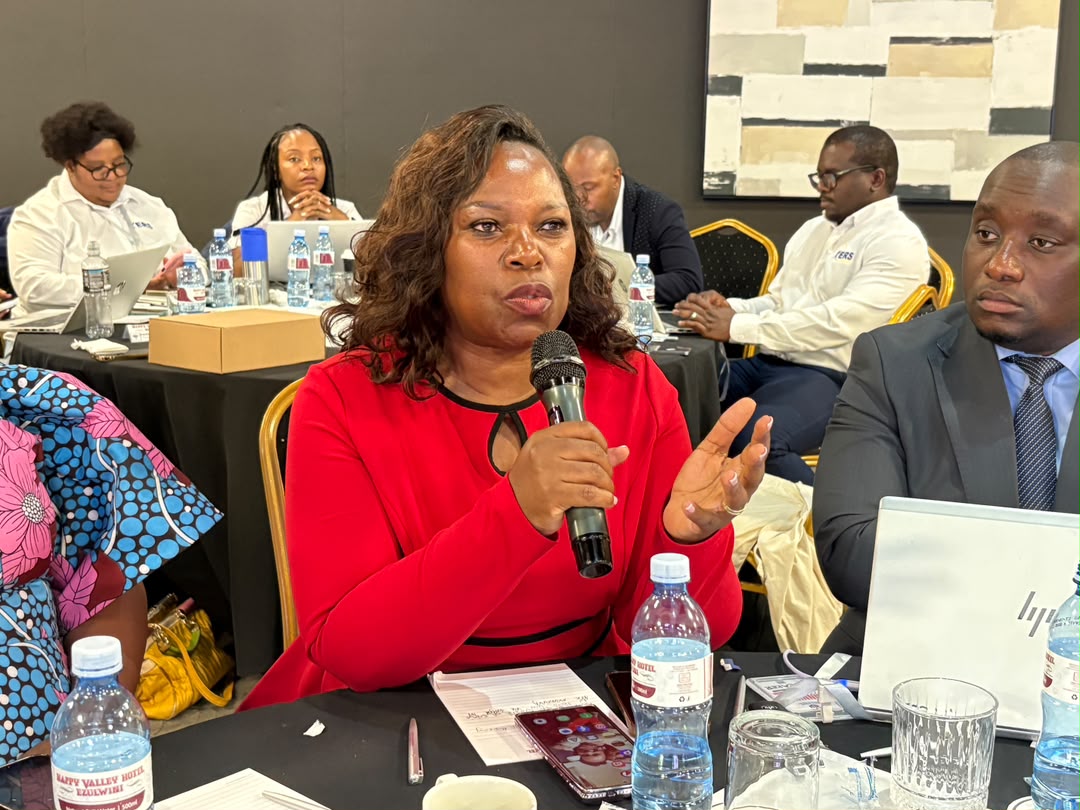
EZULWINI – When an employee never takes leave, it can be tempting to see dedication. The work gets done, deadlines are met and someone is always available when a problem arises.
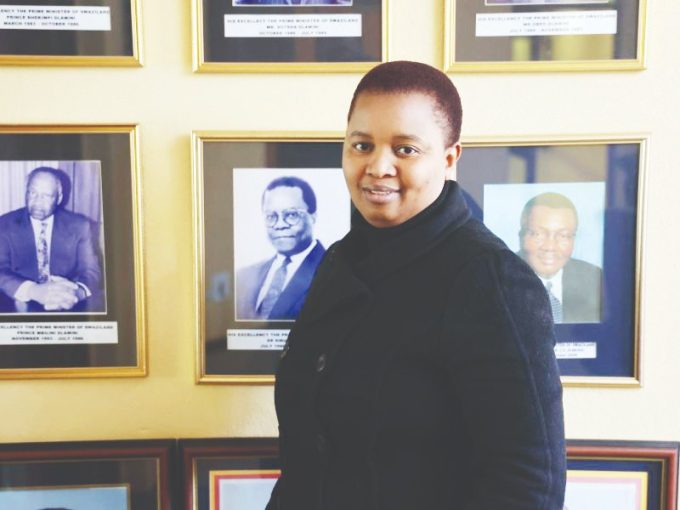
But Sharon Maziya, president of the Institute of People Management (IPM) Eswatini, believes the habit deserves a closer look. “When people don’t go on leave, what is wrong? Investigate. Why aren’t you happy to be with your family?” she asked during a discussion at the IPM annual conference at Happy Valley Hotel in Ezulwini.
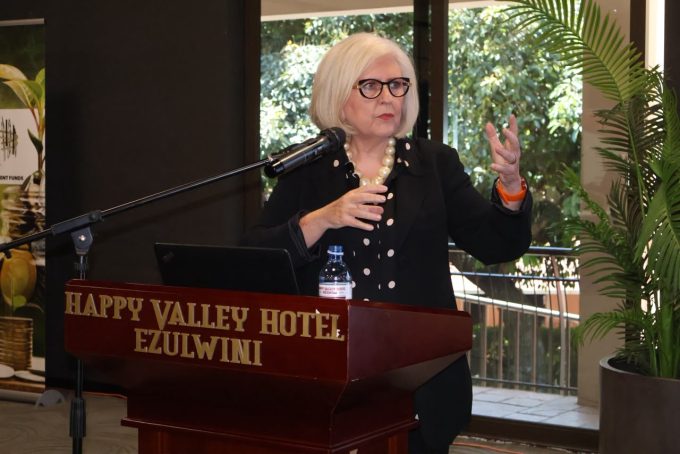
Her remarks echoed a warning from industrial and organisational psychologist Carla Dos Santos, who challenged human resources practitioners to look beyond employees’ output and pay closer attention to what is happening beneath the surface.
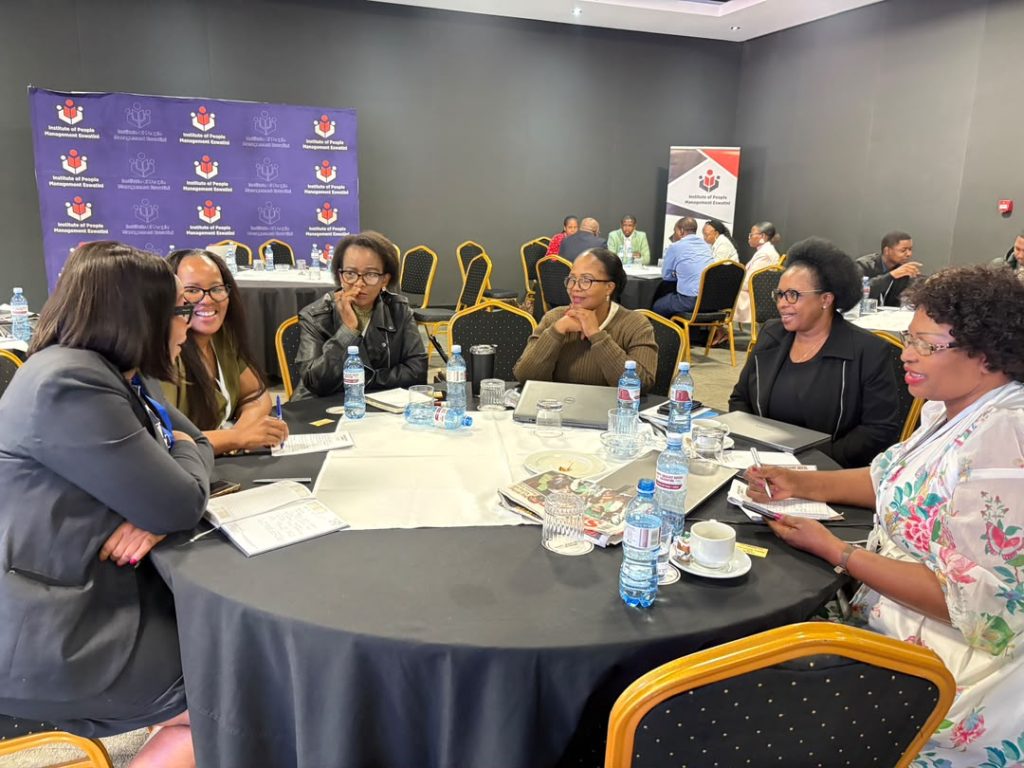
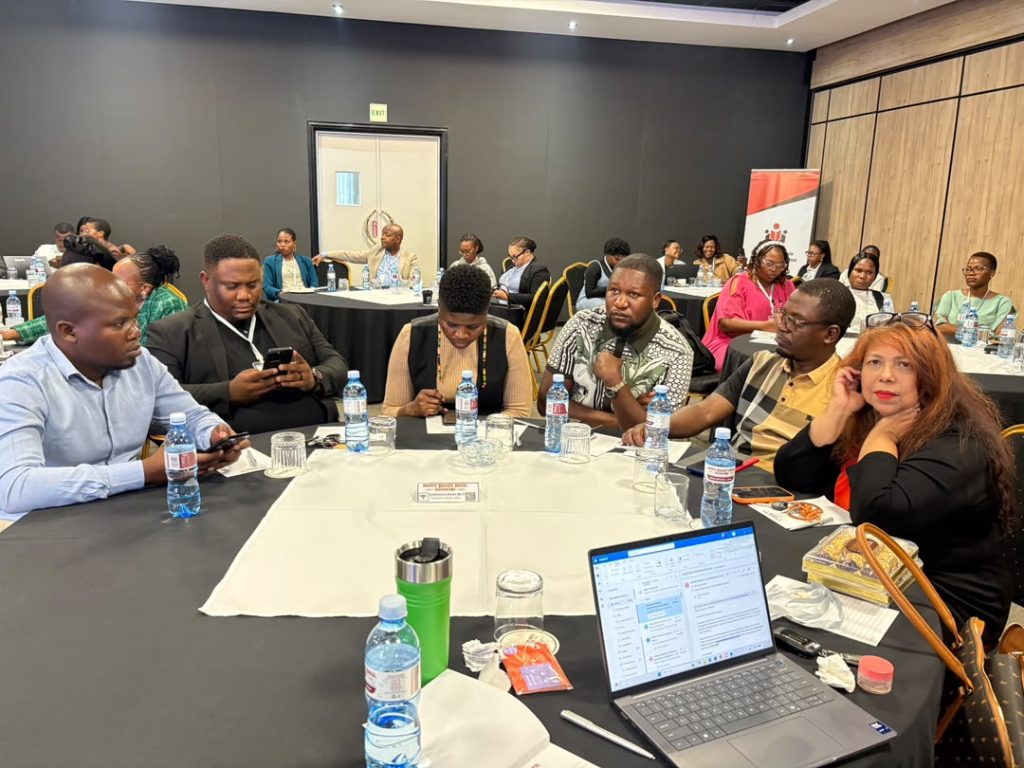
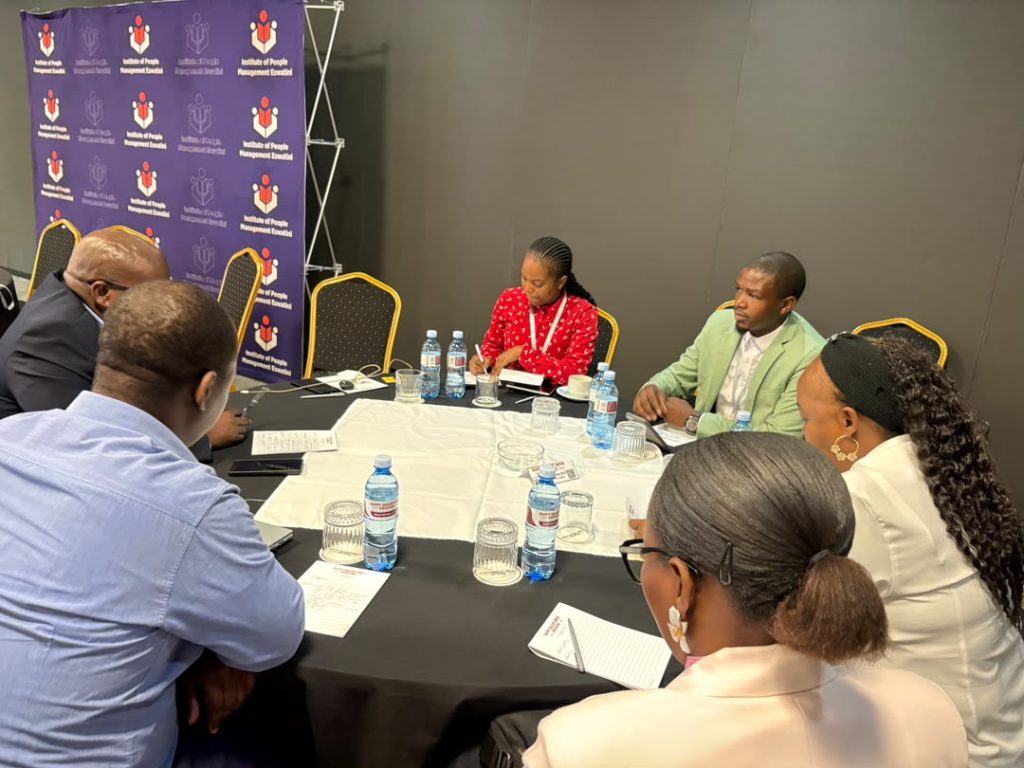
Speaking on the the topic Beyond Burnout, Dos Santos began by asking delegates to stand if they recognised themselves in the many unofficial roles they perform at work. These included being the office peacemaker, unpaid therapist, culture custodian, bridge between management and staff, chief morale officer and the person expected to put out every fire.
The exercise highlighted how employees, particularly those in people-management roles, can end up carrying responsibilities that extend well beyond their job descriptions.
She said creating workplaces where people can thrive, perform and stay requires organisations to recognise the toll that constant pressure can take on their people. She explained that stress affects both the body and the mind, influencing how people think, respond to colleagues and manage everyday demands. While the body has systems that help it respond to pressure and return to a calmer state, prolonged stress can make it harder to recover. She illustrated the point with her own experience of anxiety, revealing that she once relied on a calming tablet before speaking in public. She said learning more about regulating her nervous system had helped her approach such situations differently.
At work, she said, stress does not always present itself as an employee openly admitting that they are overwhelmed. It can show up as withdrawal, forgetfulness, irritability, tension, fatigue, absenteeism or a sharp decline in performance. In other cases, an employee may respond by working excessively, checking emails constantly and remaining available long after the working day has ended. These behaviours can easily be mistaken for poor attitude or exceptional commitment when they may point to a person struggling to cope.
Dos Santos cautioned organisations against celebrating a culture in which employees feel compelled to be constantly available. While demanding periods may occasionally require extra effort, she said employees should also have opportunities to recover afterwards. Rewarding people for always working, she warned, can entrench an expectation that nobody should switch off. The very employees regarded as top performers may eventually pay the price.
The warning also extends to leadership. Dos Santos identified unhealthy competition, gossip, confrontational outbursts, unrealistic demands without adequate resources and leaders displaying signs of burnout as potential red flags. Back-to-back meetings of questionable value and employees routinely taking work laptops home can also point to a culture in which rest is becoming increasingly difficult.
The IPM President, Sharon Maziya reinforced the concern, noting that some employees appear convinced that their organisations would grind to a halt if they stepped away. She suggested that this can be linked to a person’s sense of self-worth and the belief that their presence is indispensable. For HR practitioners, she said, the refusal to take leave should prompt questions rather than praise.
Dos Santos also urged organisations to rethink how they give feedback. Words such as “always” and “never”, she explained, can make employees feel personally attacked and less able to engage constructively with criticism.
Feedback should not be reserved for annual performance appraisals or delivered only when something goes wrong. Regular, thoughtful conversations can help employees understand where they need to improve without feeling that their entire character is being judged.
She argued that workplace training on emotional intelligence and behaviour must also begin with leadership.
During the question-and-answer session, she criticised organisations that send employees for training on managing emotions, receiving feedback and handling conflict while their leaders remain absent. “It’s very heart wrenching for me when I’m asked to come and do your emotional intelligence training, for example, and the leaders are not in the room,” she said. Her concern was that employees could be taught constructive ways of communicating and managing difficult situations, only to return to workplaces where their leaders displayed the very behaviour they had been trained to address.
Dos Santos said she insists that executive teams participate in such training, arguing that employees cannot be expected to change workplace dynamics if those in positions of authority are unwilling to examine their own conduct. She acknowledged that employee assistance programmes, counselling, rehabilitation services, health checks and access to medical support can all play an important role. However, she said, educating people about stress and helping them recognise its effects should form part of a more proactive approach.
Dos Santos stresses that the broader challenge for HR departments is to recognise warning signs before they become entrenched problems. An employee who never takes leave, a manager who is constantly on edge or a team that has normalised working beyond its limits may be telling an organisation something that performance figures alone cannot reveal.