LOBAMBA – More than E88 million released for Ministry of Health capital projects remained unspent during the reporting period.
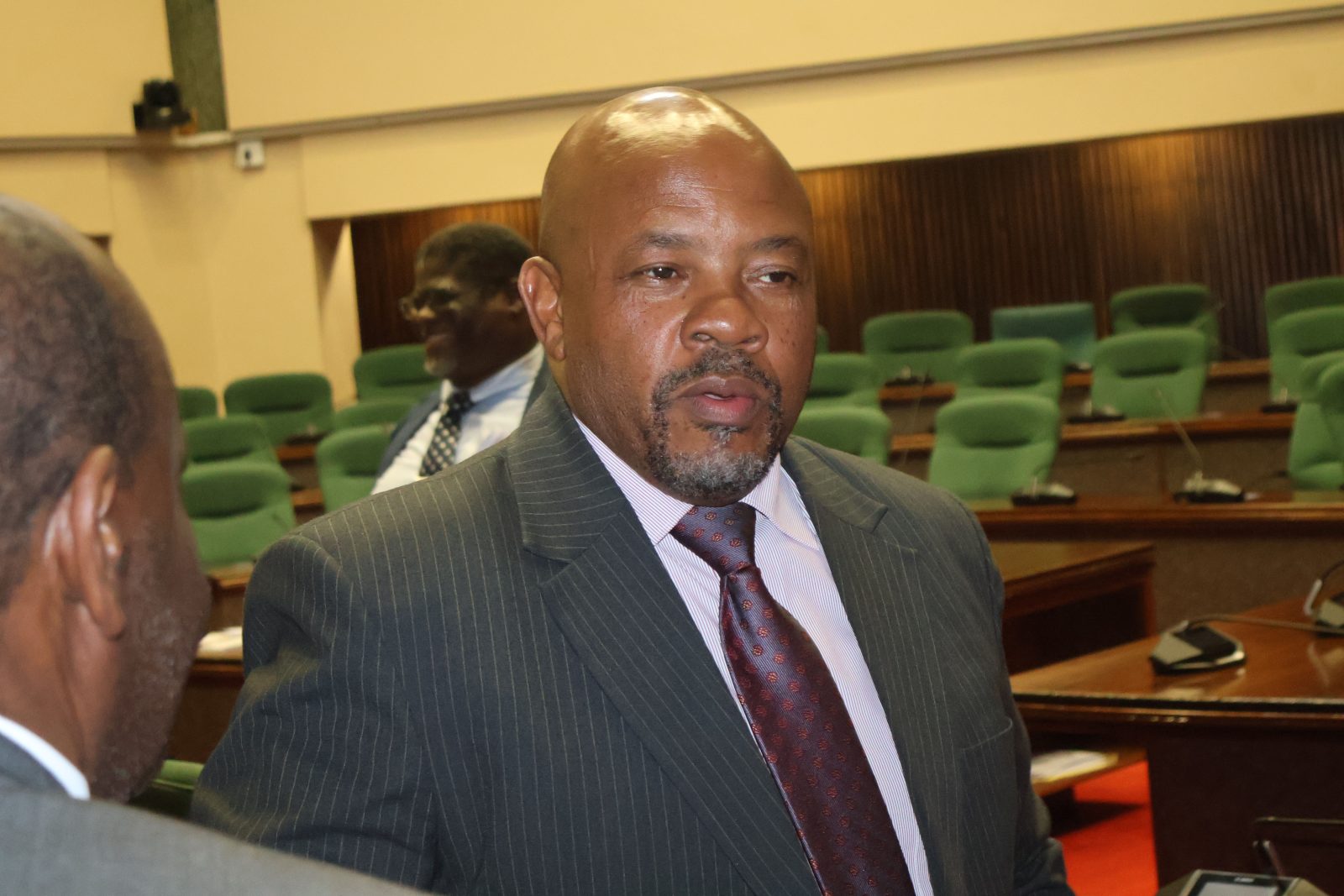
Matsanjeni South MP Sabelo Ndlangamandla questioned the ministry’s financial management after figures presented to Parliament showed that only E12.6 million of more than E101 million released for capital projects had been spent.
The figures indicate that less than 13 per cent of the released funds had been used.
Ndlangamandla raised the issue during debate on the ministry’s performance report.
He questioned why the ministry had spent so little of the money released for capital development while expenditure on staff recalls continued.
“Why is there expenditure like that?” he asked. “Because the report says it was fully released, but this is what is used E12.6 million out of over 101 million.”
The MP also questioned the ministry’s recurrent expenditure, particularly the amount spent on recalling personnel.
However, the figures provided during the debate did not specify how much the ministry had spent on staff recalls.
Ndlangamandla urged government to prioritise capital projects, saying they could stimulate economic activity and create employment opportunities for emaSwati.
His concerns centred on the difference between funds released for capital development and the amount spent during the reporting period.
Health capital funds
| Item | Amount |
| Funds released | More than E101 million |
| Funds spent | E12.6 million |
| Funds unspent | More than E88.4 million |
| Share spent | Less than 13 per cent |
Patients travel 48km, return without medicine
LOBAMBA – Some patients travel up to 48 kilometres for treatment, only to find prescribed medicines unavailable, Parliament heard.
Matsanjeni South MP Sabelo Ndlangamandla raised concerns about patients with non-communicable diseases who travel long distances to public health facilities but cannot obtain their medication.
He called on the Ministry of Health to prioritise medicines for chronic conditions and improve their availability at public facilities.
“We are saying we request that the department prioritizes non-communicable disease medicines to remain available in the hospitals,” he urged.
Ndlangamandla welcomed the ministry’s outreach programmes and renovations but said improvements to health facilities needed to be accompanied by reliable medicine supplies.
LaMgabhi MP Sicelo Jele also raised concerns about shortages of medicines for non-communicable diseases at public hospitals.
Manzini Region MP Thandeka Mavuso asked Health Minister Mduduzi Matsebula whether patients could expect quality treatment and receive all their prescribed medicines when visiting public hospitals.
She also questioned why cancer patients continued to seek treatment in neighbouring countries when the ministry had reported that cancer treatment was available locally.
Mavuso asked what would happen to patients who could not afford treatment abroad.
“What are we saying about the Emaswati that are not affording to go outside the country to get treated for cancer?” she said.
Responding to MPs, Matsebula said medicine supplies at public hospitals had improved.
However, he acknowledged that the ministry had performed poorly in the previous quarter and faced cash-flow shortages.
He said the Phalala Fund continued to face high demand despite its insufficient budget.
The minister also said the fund needed more staff to help address the costs associated with patients travelling to other countries for treatment.
On diabetes treatment, Matsebula said one of three types of injections was in short supply, while the other two remained available.
He said the ministry had purchased the unavailable type but faced problems with the cold-chain arrangements required for its use.
The minister said the ministry was addressing the problem and could not provide the injections until the necessary arrangements were in place.
Matsebula also said dialysis machines would begin operating later in the month.