

Sir,
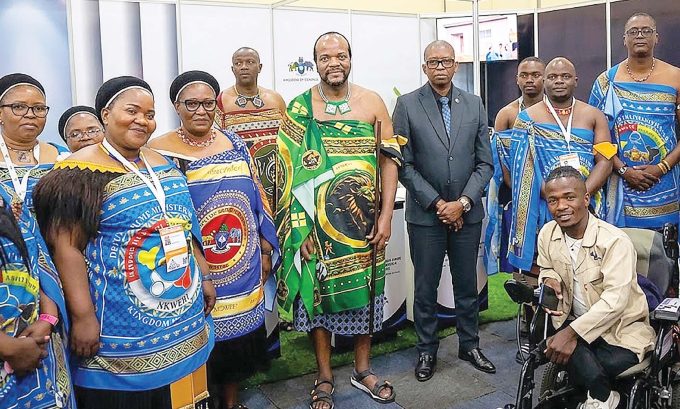
As a concerned liSwati, I write this letter to express my heartfelt gratitude for the exceptional leadership and forgiving spirit of His Majesty King Mswati III. In times when many nations are torn apart by division, bitterness and vengeance, we in Eswatini are blessed to be guided by a monarch who consistently chooses the path of peace, healing and reconciliation.
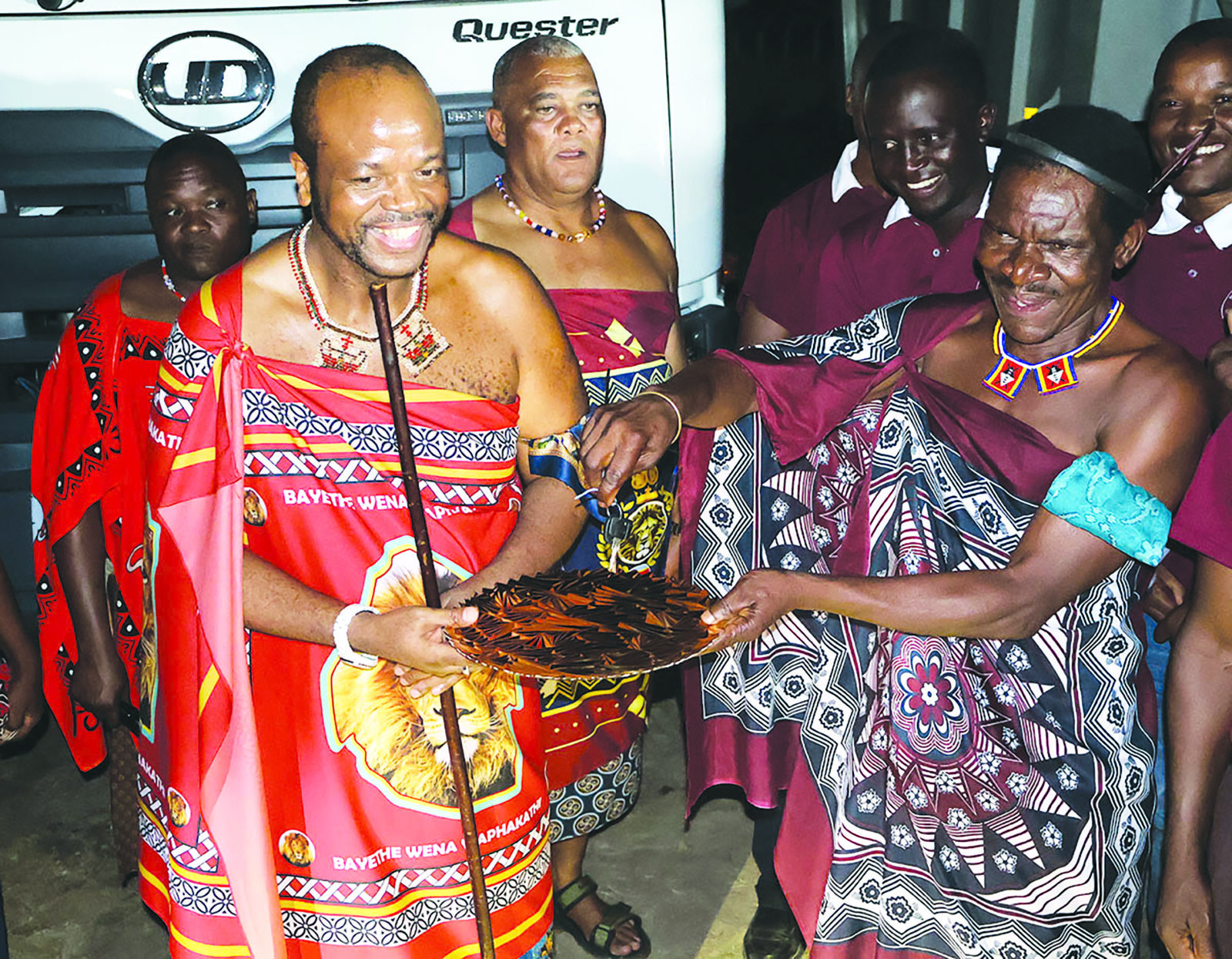
One of the most powerful and moving examples of His Majesty’s forgiveness was witnessed following the 2021 political unrest, a dark chapter in our country’s history. During that unrest, the Umphakatsi at Hosea Inkhundla, which is a place that stands as a cultural and traditional pillar of governance and community, was burned down. The act was not only symbolic of the chaos we were going through, but also an attack on the very institution that holds together the rural governance system of our country. For many, it was shocking and deeply painful.
What His Majesty did in response was truly remarkable. He did not respond with condemnation or punishment. Instead, he showed the character of a true leader; he forgave. Not only did he forgive, but he went back to Hosea, re-engaged with the people and, most importantly, led the effort to rebuild the umphakatsi. This action alone speaks volumes about his commitment to unity and his vision of an Eswatini that does not abandon its people, even when mistakes are made. It is leadership filled with heart, patience and understanding.
This was not an isolated act. At Siphofaneni, a place associated with the controversial and self-exiled former Member of Parliament (MP) Mduduzi ‘Gaw’zela’ Simelane, His Majesty has again shown incredible maturity and fairness. Despite the fact that ‘Gawzela’ openly opposed the State and has been linked to unrest, His Majesty has ensured that the area continues to receive development.
A strategic oil reserve is now set to be constructed in that region, an investment that will bring not only job opportunities, but also lasting economic benefits for emaSwati living there. That is a sign of statesmanship and true leadership understanding that the well-being of the people must come first, regardless of the politics involved. Another significant moment was when Mthandeni Dube, a formerly incarcerated MP, publicly asked for forgiveness. Once again, His Majesty responded with grace, showing compassion rather than condemnation. This act touched many emaSwati because it proved that our monarch is always willing to listen, forgive and offer a path back to peace and dignity for those who stray.
As emaSwati, we must take a moment to reflect on all these acts. His Majesty’s leadership is not just about governance, but also about teaching us the values of forgiveness, humility, loyalty and national pride. He continues to lead with wisdom and a firm belief in the unity of the Swati nation. It is rare to find such leadership in today’s world, and we must recognise how fortunate we are. Let us not be blind to this blessing. Let us, instead, choose to live by the teachings and example of our King. His approach brings people together, restores hope and builds a stronger nation for future generations. We must teach our children to respect and value this kind of leadership and never take it for granted.
In conclusion, I urge every liSwati to reflect on the kind of monarch we have been given by God. A king who forgives, who builds even after destruction, who embraces even those who have opposed him, and who puts national development before politics. We must remain united, uphold his teachings and work together to preserve the peace and dignity of our beloved kingdom. Bayethe Wena Waphakathi! Long live His Majesty King Mswati III.
Charles Zwane
The rise of extremism in the world
Sir,
Let’s start on a positive note and mention that the talented Trevor Noah had a brilliant bit about the infamous Oscar Pistorius homicide. I am aware that some people consider it in bad taste to make a joke about certain issues but comedians couldn’t care less. Issues as sensitive as murder have made it into many stand-up comedy routines. Every African-American comedian has had their say on that one, but Trevor’s was my first encounter with a Pistorius joke.
Trevor cleverly retold Oscar’s recollection of the details of the incident, that fateful Valentine’s Day of 2013.
When he got to the part of the raucous would-be intruders, he paused and asked why we imagine ‘black’ intruders even though common sense would suggest that the accused (at the time) was relaying a story of a fictional set of circumstances. More bluntly, (clears throat) Oscar was lying. But why do we picture a ‘black’ intruder even in a scenario that never happened?
Crime is black. It’s a stereotype that is part of our social consciousness; like how terrorism has been ascribed to certain people who abide by certain religious doctrine. It should go without saying that crime and terrorism are not congenital defects of any particular racial group. We are all equally capable of committing any number of atrocities against fellow mankind, you know; most of us choose not to, because… well… we are decent. The case in point: the West Midlands Counter Terrorism Unit of the United Kingdom reported that in 2018, they arrested more white people on suspicion of terrorism offences than those from Asian backgrounds. Go figure!
Terrorism
Terrorism is not a 21st century phenomenon. It has its roots in early resistance and political movements. In the first century of the Common Era, a terrorist organisation, by the name of ‘Sicarii’, was founded to oppose and overthrow the Romans in the Middle East. The Sicarii was a Jewish organisation that held the view that Jews ought to be ruled by God alone and that armed resistance against the Roman Empire was appropriate and necessary.
The use of terrorism to accelerate political cause has accelerated in recent years. Modern terrorism largely came into being after the Second World War with the rise of nationalist movements in the old empires of the European powers. These early anti-colonial movements recognised the ability of terrorism to both generate publicity for the cause and influence global policy. The ability of these groups to mobilise sympathy and support taught a powerful lesson to similarly aggrieved peoples elsewhere, who saw in terrorism an effective means of transforming hitherto local conflicts into international issues.
In 2014, we counted 44 490 fatalities from terrorist attacks across the world. Modern terrorist attacks are not much different from the historic attacks of the Sicarii, for example, except that human expedition and science have advanced the weaponry employed to carry out such attacks to genuinely frightening potential. A dagger used to terrorise civilians in the first century is a far cry from a nuclear bomb of today.
The Orlando massacre of 2016 is a sobering display of the threat of a single act of terrorism today. In just three hours Omar Mateen killed 49 and wounded at least 53. Stephen Paddock, the perpetrator of the 2017 Las Vegas shooting, killed 58 and wounded more than 850 people.
Mangaliso L














King Mswati has shown remarkable leadership in recent years for which he must be respected and thanked. I once used to think he was selfish and self-serving but no longer do.