

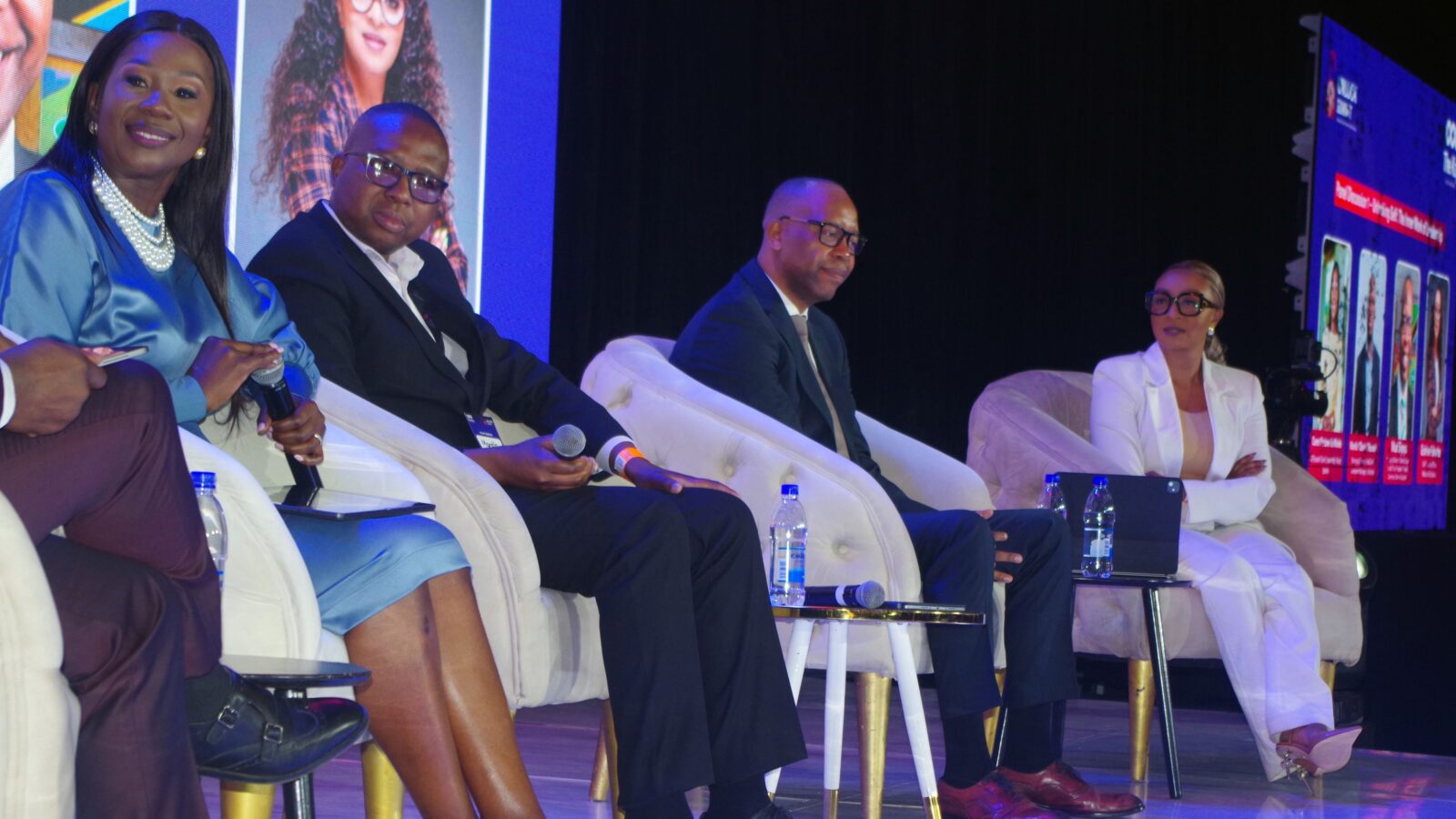
We are a nation in conversation. From investment conferences to artificial intelligence summits and recently a Skills Empowerment Forum. Eswatini is laying the foundation for us to identify gaps and work on closing them to do better as a country.
It is easy to consider these as talk-shops, but it is the same people who criticise summits who are quick to say ‘we need an indaba.’ It is the paradox of life.
Slim people want to be bigger, those who are want to be slimmer, the short want to be tall and the tall wish they could fit in a bed. We can never be truly happy. But we applaud Eswatini for talking.
The Vusi Thembekwayo talk, which divided people, with some saying ‘he says what we knew only in good English.’ Is another example.
The truth is that if he said what we knew no one would have bought a ticket. The people who criticised it never bought a ticket. The people who did, see value from him and got value from the summit.
In an era where social media has become the primary platform for public commentary, it has never been easier to point fingers and criticise every policy, programme or political decision.
But as Theodore Roosevelt famously said: “It is not the critic who counts… The credit belongs to the man who is actually in the arena.” These words should serve as a rallying cry to every citizen who believes in the future of their country.
Nation-building is not the sole responsibility of governments or leaders—it is a shared duty. Whether you are a student, an entrepreneur, a teacher or a young professional, your ideas, experiences and energy are essential to shaping policies and driving progress.
Yet too often, we find ourselves in the spectator seats, heckling those on the field instead of stepping forward to contribute to the play.
During the European Union World Youth Skills Day event this week, youth had their say on what skills can take Eswatini forward and what they expect from government and stakeholders.
Participating in public forums, policy consultations, and youth dialogues is one way we enter ‘the arena.’ It’s in these spaces that solutions are born, assumptions are challenged, and consensus is built. They allow us to move beyond complaints and into contribution. When young people show up with well-thought-out ideas, data and lived experiences, we begin to reshape the narrative—not just about what’s wrong, but about what’s possible.
Critique has its place, especially when it holds power to account. But critique alone cannot build nations. We need dreamers who are also doers, voices that not only challenge but also propose, and citizens who know that to sit at the table is to honour the generations before us—and to shape the future for those yet to come.
In the end, the real impact lies not in commentary but in courageous participation. Because indeed, “It’s not the critic who counts.”
Now on a completely unrelated note, I have been itching to comment on two pieces of news that came out this week.
The recent news we have read would be funny if they were not so real. At times, I feel if someone was a movie scriptwriter they would find fertile ground in some of the daily news we read around the world and even locally.
I received a text from a friend in Lesotho asking me how we are dealing with the issue of deported prisoners from USA. I laughed out loud assuming it was one of his jokes. Then a few minutes later the issue dominated my newsfeed. Government has asked us not to press the panic button over this and we will try do just that.
However being human you cannot help but have your imagination go on overload. In a statement it said Government acknowledges the widespread concern regarding the deportation of third-country prisoners from the United States of America into the Kingdom of Eswatini.
It went on to state that indeed, five inmates are currently housed in our Correctional facilities in isolated units, where similar offenders are kept.
The Nation is assured that these inmates pose no threat to the country or its citizens. We therefore rest on that assurance. While still pondering on that I was treated to another interesting piece of news.
So one young lady was arrested for biting her ex-lover. She took the news with her teeth and landed in court for biting her ex twice after he turned down her love-back plea.
The Times reports that evidence presented in court indicates that Lukhele bit the father of her child twice after he rejected and refused to entertain her when she begged him for reconciliation. She later bought her freedom with E2 000 after being sentenced to two years in prison.
With all the problems society is facing, it is quite perturbing that we have people being arrested for biting other over the name of love.
We live in interesting times, but as this piece was about finding solutions, we trust that soon we will have a GBV Summit, a Poverty Reduction Summit and others which will continue to give us platforms to contribute towards nation building.
















Leave a comment