

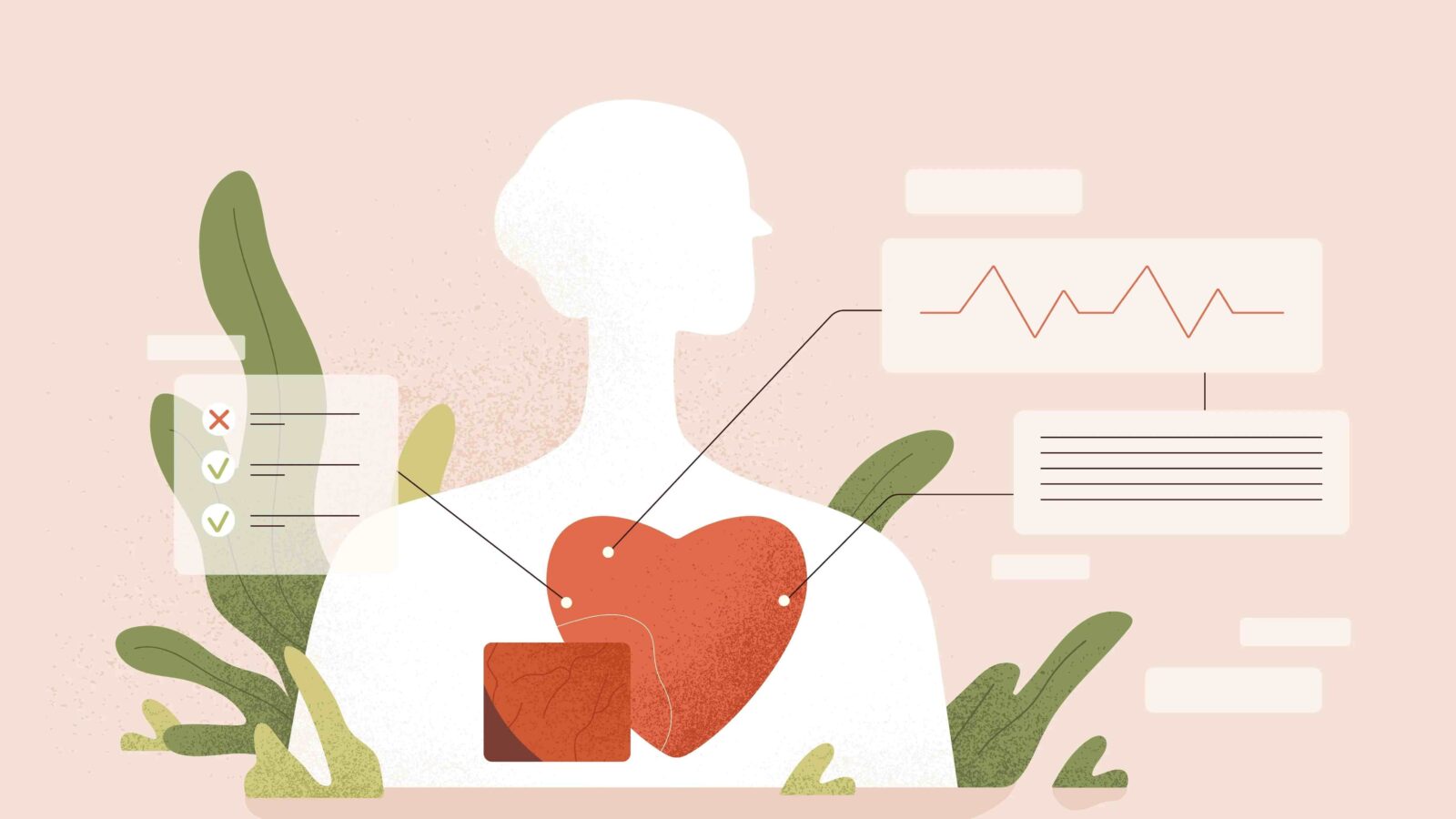
In a society that often equates leadership with dominance, ambition with aggression and strength with stoicism, softness can feel like a liability. We are told to toughen up, grow thicker skin and leave emotion at the door in the workplace, politics or positions of power. In fact, the corporate world insists that there is no place for emotions; that you need to toughen up to make it big, but what if we have misunderstood what true leadership looks like?
What if the very qualities we are told to suppress; empathy, vulnerability, intuition and care are actually the most powerful tools we have? If they are needed to make personal relationships work, then should it not apply to acquaintances, work relationships as well? Softness is not the opposite of strength. It is a different kind of strength, quieter, more sustainable and often more impactful.
The misunderstanding of softness
Culturally, we have been conditioned to view softness as weakness. We associate it with being emotional, passive or indecisive. As a result, many people, especially women and emotionally intelligent individuals feel pressure to harden themselves, in order to be taken seriously. This misunderstanding comes from a limited view of power. Emotional intelligence is no longer optional, it’s essential. The ability to lead with compassion, to listen deeply, to hold space for complexity and to respond with humanity is not just admirable, but it is effective.
The strength in empathy
Empathy is one of the core elements of soft leadership and also one of the most misunderstood. It’s not about coddling people or avoiding conflict but understanding them. Leaders who practice empathy do not shy away from hard conversations; they engage with them more thoughtfully. They consider the impact of their decisions on others. They know how to read the emotional temperature of a room and respond with awareness. Softness doesn’t mean lacking boundaries or vision. It means choosing to lead with intention instead of intimidation. It means holding power responsibly, not forcefully. Empathetic leadership builds trust. People feel seen and valued.
Empathy is not soft in the sense of being fragile, it’s soft in the sense of being flexible, responsive and rooted in deep human connection.
Another soft skill that is often overlooked in leadership is intuition. We are trained to prioritise data, logic, which are, of course, important. However, some of the most important decisions cannot be made by spreadsheet alone. Intuition is the quiet inner knowing that guides decisions when there’s no clear answer. It is the gut feeling that something is not right or that something is. It comes from experience, pattern recognition and emotional awareness. People who trust their intuition are not being irrational; they’re being deeply attuned. They are able to sense shifts, anticipate needs and respond with compassion. In a world that’s constantly changing, this kind of leadership is invaluable.
Vulnerability as a leadership asset
We often associate vulnerability with risk and it is. However, it is also the birthplace of authenticity. Vulnerable individuals do not pretend to have all the answers. They are not afraid to say, ‘I don’t know yet’ or ‘That didn’t go as planned.’ They show courage by being real. This honesty opens the door for others to be honest too. It creates psychological safety, an environment where people feel free to speak up, share ideas, and admit mistakes without fear. Vulnerability doesn’t mean oversharing or emotional instability. It means being real. It means leading from a place of wholeness, not performance.
Boundaries and compassion can co-exist
Being soft does not mean being a pushover. Some of the most grounded and respected leaders are those who lead with both compassion and clarity. They are kind, but they are not afraid to make hard decisions. They care, but they also correct. They give grace, but they also hold accountability. This balance is what makes soft leadership so powerful. It does not deny the need for structure or discipline. It simply adds a human lens. Soft leaders understand that accountability and care are not opposites. They are partners in building trust and respect.
Conclusion
Your softness is not a weakness. It is your gift. It is your leadership style. It is your quiet force in a loud world. To lead with heart is not to lose strength but it is to redefine it. In workplaces, in families, in communities and in creative spaces, soft leadership is building a future rooted in empathy, inclusion and authenticity. So if you’ve ever felt the pressure to harden in order to be heard; remember this: your empathy is your edge. Your heart is your compass. Your softness is your strength and the world needs more of it.

















Leave a comment