

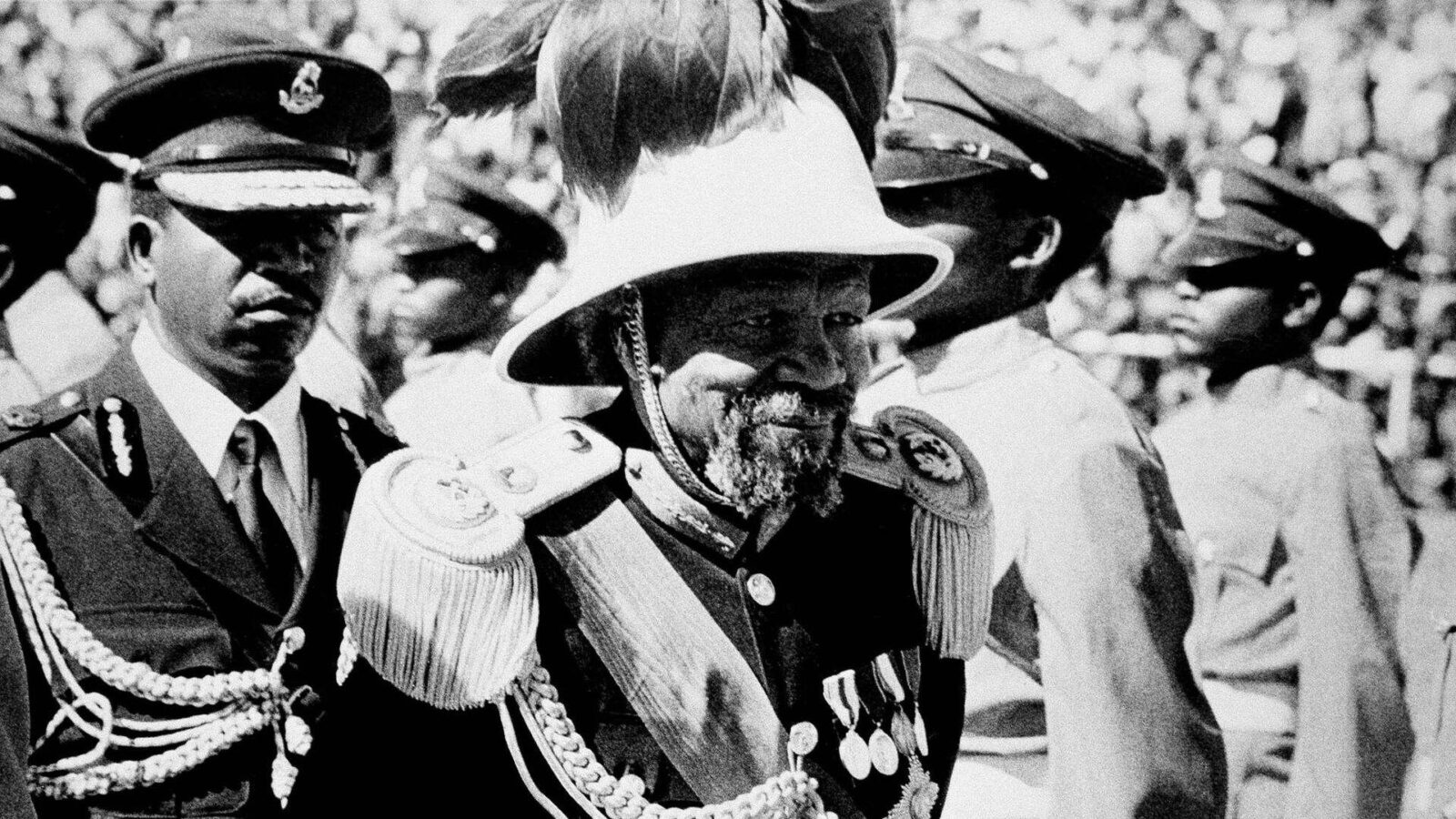
The famous saying ‘uneasy lies the head that wears a crown’ refers to how heavy the burden of leadership is, especially for a head of State. This phrase comes from William Shakespeare’s play Henry IV, Part 2.
In it, King Henry IV talks about the worries and sleepless nights that come with being in charge. It illustrates the challenging nature of leadership, where one must sacrifice personal peace for the greater good. Tomorrow marks 57 years since September 6, 1968, when the country gained its independence from British colonial rule. As we look back, it is safe to say there have been many sleepless nights for our kings, His Majesty King Sobhuza II and His Majesty King Mswati III, as the country transitioned from political transformation to the ongoing economic transformation agenda.
Between them lies a legacy of stability, cultural continuity and progressive development. King Sobhuza II’s reign was focussed on Eswatini’s independence and self-determination; during which he successfully led the country to independence on September 6, 1968, by encouraging people to find solutions that promoted peaceful coexistence, dialogue and consensus.
His foreign policy was based on being a friend to all and an enemy to none, which still holds. His leadership embraced global practices that complement the ethnicity and social structures of emaSwati. This philosophy has endeared him as one of the most respected leaders of the world before passing on in 1982.
In 1986, His Majesty King Mswati III became king when he was only 18 years old, rendering him the youngest reigning monarch in the world at the time. At his coronation, he promised to follow in his father’s footsteps. Here we are, 39 years later and there are several signs that the King has kept his word.
He took over an economy worth E1.5 billion and has grown it to a GDP of E70 billion. Guided by a Tinkhundla system of government that has encouraged participatory development through consultations, the country’s progress leans on the National Development Plan and the 2005 Constitution.
Yes, we have challenges such as drug shortages, unemployment and corruption, but none are unique to us.
The United Nations’ 2025 Sustainable Development Goals (SDGs) report indicates that 35 per cent of the goals are on track to being met, but almost half of them are moving too slowly and 18 per cent are moving backwards because of wars, climate change and economic shocks. This is not to say it is okay for Eswatini not to be better than today. This is a time we need to take stock of our gains and leverage them to achieve the desired goal of becoming a First World country.
There is hope when recent reports from the World Health Organisation and UNICEF show that Eswatini has made a lot of progress in health, particularly in HIV/AIDS management through the National Emergency Response Council on HIV and AIDS (NERCHA); where antiretroviral therapy coverage has reached impressive levels, with the country attaining the 95-95-95 targets years ahead of target.
These results are in line with SDG 3 (Good Health and Well-being), which shows that the kingdom is capable of protecting public health even when things change around the world, like when supply chains break down. In education, the United Nations Eswatini 2024 Results Report indicates that there have been big improvements in developing human capital, such as equal levels of education for males and females and attaining levels of above 90 per cent enrolment rate.
Community programmes like the Regional Development Fund and Youth Fund have changed numerous lives in communities, while rural electrification has reached above 80 per cent levels. The King’s forward-thinking policies are demonstrated by the growth of infrastructure, which has resulted in our road network ranking as one of the best in the Southern African Development Community (SADC), with only about 400km of feeder roads still needing to be completed.
The King’s forward-thinking policies are shown by the growth of infrastructure, which has seen our road network rank as one of the best in SADC; with only about 400km of feeder roads still needing to be paved. More than 80 per cent of people in communities have access to clean drinking water, which improves their quality of life.
The World Bank’s overview shows that Eswatini’s investments in infrastructure are important for economic stability and for achieving SDG 9 (Industry, Innovation, and Infrastructure). Furthermore, the UNDP’s 2024 Digital Readiness Assessment indicates how digital transformation efforts have improved e-government services by making interactions digital to make them more efficient.
Eswatini scored 0.695 on the Human Development Index in 2022, placing it in the medium human development category. This was said to be the biggest jump in sub-Saharan Africa that year. This improvement recognises efforts made to improve lives through programmes like grants for the elderly, subsidies for farmers and funds to help people get out of poverty.
As we count 57 and look beyond towards the future, let us recall His Majesty the King’s recent birthday speech, where he urged the country to carefully look at global threats like protectionism and climate change to lower risks and retard our development gains. He called for building resilience, diversifying markets, strengthening local industries; and building investor confidence. The King thanked emaSwati for their loyalty, strength and dedication, which have helped the monarchy make progress since 1986. The country has been through testing times, but emaSwati continue to stand by the monarchy.
The kingdom’s peace, which the King refers to as the greatest gift from the nation, is what makes all progress possible. It has earned the country the nod from global tour entities as one of the top ten tourist destinations.
He said, “As a country, we need peace so that we can work on our transformation agenda, which is what the nkwe mandate is all about. We ask all emaSwati to support our national projects and encourage each other to do what is best for the country.” The independence day tomorrow reminds us to heed this call, value the major development and protect it for future generations.
May the king and country enjoy a Happy Independence Day!













Leave a comment